
You don’t need to be unwell to see a dietitian—far from it. In fact, more Australians are working with qualified professionals to take charge of their health, whether it’s for better sports performance, early childhood nutrition, managing chronic conditions, or simply learning how to support their body through different life stages. So, how do you know when to see a dietitian, and what should you expect during a consultation? From a gut health nutritionist helping you get to the bottom of digestive discomfort, to a sports dietitian fine-tuning your fuelling strategy, the right support can make a big difference. And with so many people searching for a trusted dietician in Australia, it helps to know what’s involved before you book.
There are plenty of situations where seeing a dietitian is beneficial. Here are some of the most common reasons people reach out.
1. Sports Performance and Recovery
Whether you’re an elite athlete or a weekend warrior, a sports dietitian can help you reach your goals by fuelling your body effectively. Dietitians can create tailored meal plans for training and recovery, address nutrient timing, hydration, energy needs, and supplements—without relying on guesswork.
2. Early Childhood Nutrition for ADHD and Autism Spectrum Disorder
Children on the autism spectrum or with ADHD often face unique feeding challenges. A dietician in Australia who works in early childhood nutrition can support families with strategies for fussy eating, sensory sensitivities, nutrient deficiencies, and building healthy food relationships. They also help track growth and ensure developmental needs are being met.
3. Gut Health Concerns
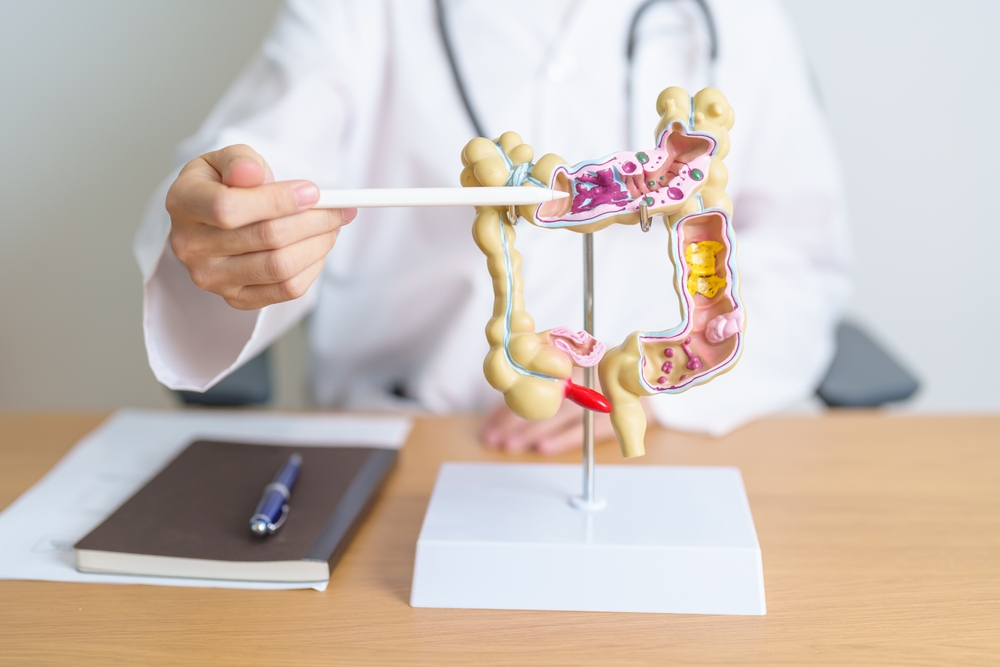
Digestive issues like bloating, IBS, or reflux may benefit from seeing a gut health nutritionist. Many gut-related issues can be managed—or significantly improved—with dietary changes. A dietitian can help identify triggers, recommend evidence-based diets (like low FODMAP), and support long-term gut health.
4. Chronic Health Conditions
If you’re living with diabetes, heart disease, high cholesterol, or high blood pressure, dietary changes can be a key part of your treatment plan. A qualified dietician in Australia can help manage symptoms and reduce complications through realistic, personalised nutrition plans.
5. Healthy Ageing and Nutrition for Seniors
As we age, nutritional needs change. Seniors may experience a reduced appetite, difficulty chewing, or challenges maintaining weight or muscle. A dietitian can assess individual needs, provide meal ideas, and support independence with structured, easy-to-follow guidance and NDIS support.
6. Weight Concerns and Healthy Eating Habits
Looking to lose weight or maintain a healthy lifestyle? A dietitian’s support goes beyond calorie counting. They help build sustainable eating habits, break down food myths, and create balanced meal plans that suit your preferences, culture, and lifestyle.
What Happens in a Dietitian Consultation?
A dietitian consultation is collaborative and tailored to you. Here’s a general breakdown of what to expect:
- Initial assessment: Your dietitian will ask about your medical history, lifestyle, eating habits, symptoms, activity levels, and goals.
- Personalised plan: Based on your needs, the dietitian will create a practical plan. This might include meal ideas, shopping tips, recipes, supplements if needed, and realistic changes to suit your life.
- Follow-up and adjustments: Ongoing support is key. Your dietitian will check in to see how things are going, tweak your plan, answer questions, and offer motivation.
Depending on your location and needs, you can see a dietician in Australia in person, via telehealth, or through home visits—particularly helpful for seniors or families with children with additional needs.
Why Work With a Registered Dietitian?
Accredited Practising Dietitians (APDs) in Australia are university-trained and regulated, which means you’re getting safe, evidence-based advice. Unlike social media influencers or unqualified coaches, they use up-to-date research and clinical experience to support your health.
Whether you need a gut health nutritionist to help with IBS, a sports dietitian to improve your performance, or someone to guide you through a chronic condition, a dietitian can play a key role in your care team.
Taking the First Step – Book Your Appointment with a Registered Dietician in Australia
If you’ve been wondering whether it’s time to get professional nutrition advice, the answer is likely yes. From enhancing sports recovery to improving focus in kids with ADHD, from gentle support for seniors to long-term gut health improvements, a dietician in Australia can help you make confident, informed choices about your food and lifestyle. And remember, no two consultations are alike—because no two people are. Whether you’re seeing a gut health nutritionist, sports dietitian, or general nutrition expert, you’re investing in your long-term wellbeing, one meal at a time.