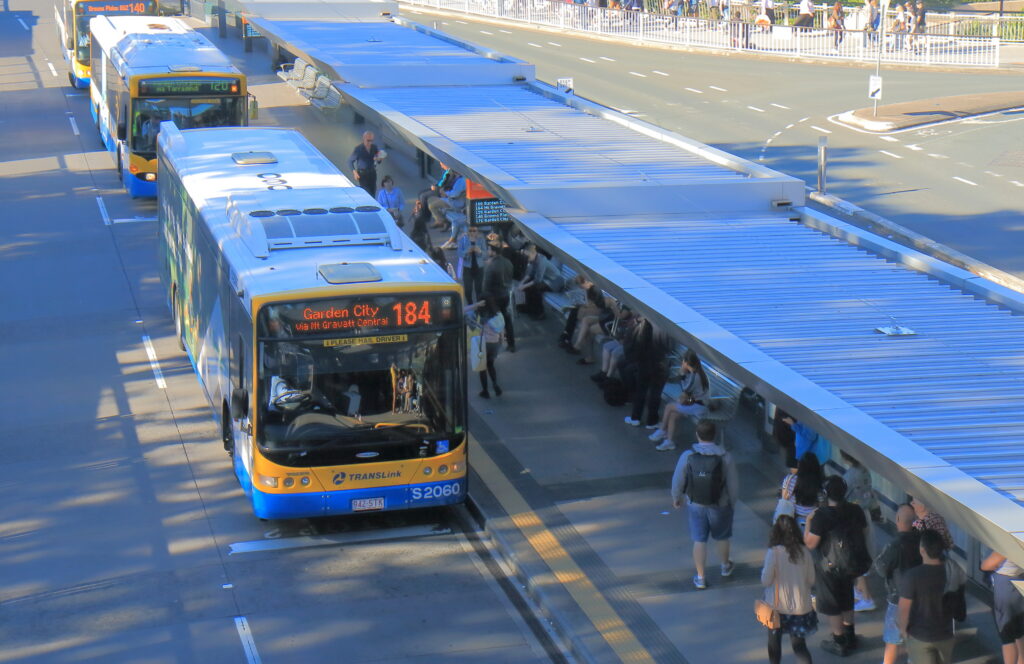
For many Australians, catching the bus is part of everyday life. Whether it’s students heading to school, commuters travelling to work, or families visiting their favourite weekend markets, public transport helps keep our cities moving. Yet one piece of infrastructure often goes unnoticed despite its importance: the humble bus shelter. Modern bus shelters, professional public space furniture installation, and well-designed school shelters do far more than protect people from the weather. They improve accessibility, encourage public transport use, strengthen communities, and contribute to smarter urban design.
Why Bus Shelters Are Essential in Modern Cities
Urban planners understand that successful cities are built around people rather than vehicles. Encouraging more residents to use public transport helps reduce traffic congestion, lowers emissions, and creates healthier, more liveable communities.
However, people are far more likely to choose buses if the experience is comfortable and convenient. That’s where quality bus shelters become essential.
Shelters provide protection from Australia’s harsh sun, heavy rain, and changing weather conditions while offering safe, clearly identifiable waiting areas. As part of a broader public space furniture installation strategy, they also contribute to accessible streetscapes that cater for people of all ages and abilities. Nearby school shelters perform a similar role by providing students and parents with safe, comfortable gathering spaces before and after school.
More Than Just Somewhere to Wait
Today’s bus shelters have evolved well beyond a simple roof and bench.
Modern shelters often incorporate seating, lighting, route information, accessibility features, and digital displays showing real-time service updates. Many also include CCTV, improved visibility, and durable materials that help increase passenger safety.
As cities continue investing in high-quality bus shelters, urban designers are integrating them into wider public space improvements. Coordinated public space furniture installation projects often include seating, bicycle racks, waste bins, landscaping, and wayfinding signage to create attractive transport hubs rather than isolated waiting points.
Similarly, many educational precincts incorporate school shelters into campus layouts to improve student safety, weather protection, and pedestrian flow.
Supporting Accessible and Inclusive Communities
One of the most important goals of modern urban design is accessibility.
Public infrastructure should support everyone, including older Australians, parents with prams, children, people living with disabilities, and visitors unfamiliar with the area.
Thoughtfully designed shelters contribute significantly to this objective through level access, adequate lighting, clear sightlines, seating options, and shelter from extreme weather.
Successful public furniture also considers how individual pieces work together to improve the overall user experience rather than functioning independently.
The same philosophy applies to student shelters, which help schools create safer environments during busy drop-off and pick-up periods while supporting students participating in outdoor activities throughout the day.
How Australian Councils Prioritise Bus Shelter Upgrades
Across Australia, councils regularly assess public transport infrastructure to improve safety, accessibility, and passenger comfort.
Many upgrade programs focus on replacing ageing shelters, improving disability access, increasing lighting, and installing more durable materials that require less maintenance. Councils also work alongside state transport authorities to identify high-demand locations where additional shelters are needed.
These investments often form part of larger programs that revitalise entire streetscapes rather than upgrading isolated assets. As communities grow and transport networks expand, demand for quality shelters continues to increase.
What Does the Future Hold for Bus Shelters?
The next generation of bus shelters is likely to become smarter, greener, and even more connected.
Future designs may include solar-powered lighting, integrated USB charging points, environmental sensors, interactive information displays, green roofs, and energy-efficient construction materials. Some cities around the world are already trialling shelters that collect environmental data, provide free Wi-Fi, or improve air quality through integrated planting systems.
Australian cities are expected to gradually adopt many of these innovations as public transport infrastructure continues to evolve alongside broader sustainability and smart-city initiatives.
Frequently Asked Questions
Why are bus shelters important?
They provide weather protection, improve passenger safety, encourage greater public transport use, and enhance accessibility within communities.
Why do schools invest in shelters?
Well-designed student shelters provide shade, rain protection, safer gathering areas, and more comfortable outdoor spaces for students, staff, and parents alike.
How long do modern bus shelters last?
With quality materials and regular maintenance, modern shelters are designed to provide reliable service for many decades.
Why is professional installation so important?
Proper public furniture installation ensures shelters meet safety standards, accessibility requirements, and long-term durability expectations.
Building Better Cities One Shelter at a Time
Bus shelters may seem like simple pieces of public infrastructure, but they play a vital role in creating safe, connected, and accessible communities. They encourage public transport use, improve everyday convenience, and contribute to attractive streetscapes that people enjoy using and spending time in.
By investing in durable bus shelters, prioritising quality public space furniture installation, and using practical school shelters as needed, councils can continue building cities that support healthier communities, smarter transport networks, and better public spaces for future generations.