
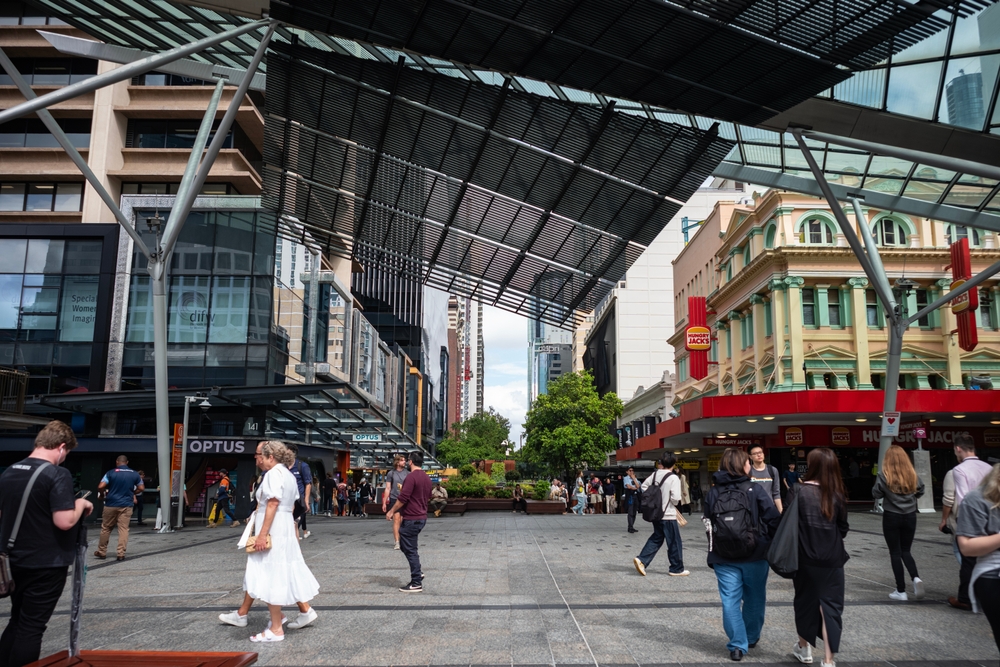
From leafy streets and sparkling waterfronts to well-maintained parks and organised public spaces, Australian cities have plenty to be proud of. Cities such as Canberra, Perth, Sydney and Melbourne benefit from relatively good air quality, extensive green spaces and infrastructure that helps keep neighbourhoods looking their best. Behind these appealing environments are thoughtful installations like public place litter bins, strategically positioned outdoor bike racks and well-planned street bollards that help councils create cleaner, safer and more liveable urban spaces.
But what makes Australian cities truly stand out, and what role does streetscape design play in maintaining their reputation?
1. Cleaner Air Makes a Noticeable Difference
Clean streets are important, but the quality of the air we breathe also shapes how people experience a city. Australia generally enjoys good air quality compared with many parts of the world, thanks partly to its relatively low population density, coastal breezes in many urban areas and environmental regulations.
Canberra is a particularly interesting example. IQAir reported an annual average PM2.5 concentration of 3.9 micrograms per cubic metre for Canberra in 2024, placing it among the cities with comparatively clean air. Sydney, Melbourne and Perth also benefit from their natural environments, although traffic emissions, industrial activity, dust and bushfire smoke can affect local conditions.
Green corridors, urban tree canopies and parks can help cool streets, provide shade and support healthier urban ecosystems. However, trees alone cannot solve air pollution, so cities must also invest in cleaner transport, emissions reduction and ongoing environmental monitoring.
2. Clean Streets Start with the Right Infrastructure
Ever noticed how some shopping strips and public squares stay tidy despite attracting thousands of visitors? It’s rarely down to luck. Good design makes responsible behaviour far easier.
Well-positioned public place litter bins give pedestrians somewhere convenient to dispose of takeaway packaging, drink containers and everyday rubbish. Durable bin surrounds can protect waste infrastructure from damage, create a more cohesive streetscape and help conceal overflowing or unattractive collection points when designed and maintained properly.
Placement matters just as much as appearance. Councils should consider pedestrian traffic, nearby food outlets, public transport stops and park entrances when deciding where bins belong. Separate cigarette disposal stations can also reduce discarded butts, which are a persistent source of urban litter.
Research from the NSW Environment Protection Authority has shown that targeted cigarette butt litter prevention measures can improve disposal behaviour. The lesson is simple: provide convenient facilities, keep them maintained and make the cleaner choice the easier one.
3. Better Streetscapes Support Cleaner, Safer Movement
A world-class city needs more than attractive buildings. It needs public spaces where people can walk, cycle, wait for a bus and move between destinations comfortably.
Well-placed outdoor bike racks support active transport by giving cyclists secure, organised places to park. When councils install enough racks near shopping precincts, transport hubs, workplaces and recreation areas, they make cycling a more practical option and help prevent bicycles from obstructing footpaths or piling up disruptively.
Likewise, street bollards help define boundaries between pedestrians, cyclists and vehicles. Depending on their placement and design, they can protect pedestrian areas, discourage unauthorised vehicle access and guide movement around busy intersections, plazas and transport facilities. They must still leave accessible paths clear and accommodate people using wheelchairs, prams and mobility aids.
Other small details make a big difference. Tree guards protect young street trees from accidental damage, while well-maintained paths, seating, shelters and lighting make public spaces more useful throughout the day and night.
The best streetscape designs coordinate these elements rather than treating each item as a separate installation. Australian street design guidance similarly encourages councils to position furniture carefully so it supports public amenity without obstructing pedestrian movement.
4. It’s About Maintenance, Not Just Good Design
Even excellent infrastructure loses its value without regular care. Councils need practical maintenance schedules for emptying bins, repairing damaged furniture, cleaning public areas and replacing worn components.
Durable materials can reduce repair frequency and extend the useful life of public assets. Selecting finishes that withstand local weather, heavy foot traffic and vandalism also helps councils manage long-term costs.
Community behaviour matters, too. When people see clean, well-maintained public spaces, they have a stronger incentive to respect them. Residents, businesses, visitors and local authorities all contribute to the shared responsibility of keeping neighbourhoods tidy.
5. What Else Makes Australian Cities World-Class?
Cleanliness is only one part of the picture. Access to parks, beaches, public transport, cultural attractions, healthcare and education all contribute to urban liveability. Australia’s outdoor lifestyle also encourages cities to invest in public spaces where people can gather, exercise and connect.
However, growing populations, housing pressures, traffic congestion, extreme heat and climate change present ongoing challenges. Cities can improve by expanding reliable public transport, creating safer cycling networks, planting more climate-resilient trees and designing accessible public spaces that serve people of all ages and abilities.
Building on Australia’s Urban Strengths
Australian cities have plenty going for them, but maintaining their reputation requires consistent effort. Thoughtfully positioned public place litter bins, accessible outdoor bike racks and carefully planned street bollards all help councils create cleaner, safer and more functional streetscapes. Combined with durable materials, regular maintenance, greener transport and community involvement, these everyday features can help make Australia’s urban environments even more liveable for generations to come.