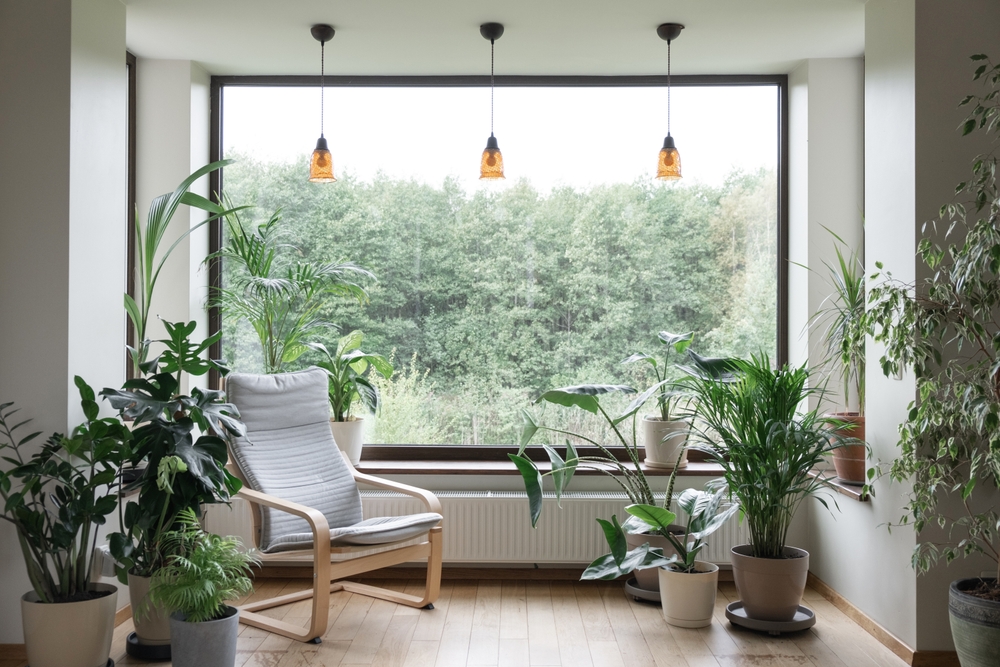
Passive House design focuses on measurable performance. It aims to reduce heating and cooling demand through airtight construction, high levels of insulation, and carefully managed solar gain. While glazing and wall assemblies receive significant attention, window furnishings, as well as motorised window shades, and outdoor awnings, also play an important role in how a building performs day to day.
When selected and specified correctly, window treatments become part of the building envelope strategy rather than an afterthought. They support thermal comfort, reduce energy use, and improve occupant control without compromising design intent.
Understanding Solar Gain and Heat Loss
Passive House standards, developed by the Passive House Institute in Germany, limit annual heating demand to 15 kWh per square metre. In Australia, the Passive House Association recognises the importance of climate-responsive design, particularly in managing solar heat gain and shading.
Windows are often the weakest part of the thermal envelope. Even high-performance double or triple glazing allows heat transfer. In winter, heat escapes through glass. In summer, excessive solar gain increases cooling loads.
Well-designed window treatments help manage both scenarios.
In winter, insulated blinds or lined curtains reduce radiant heat loss. Research from the US Department of Energy shows that tightly fitted cellular shades can reduce heat loss through windows by up to 40%. Honeycomb designs trap air in pockets, adding an extra insulating layer.
In summer, external shading prevents solar radiation from reaching the glass in the first place. This is where outdoor awnings provide significant benefit. By blocking direct sunlight before it enters the building, they reduce internal heat build-up more effectively than internal coverings alone.
Internal Solutions That Support Performance
Not all window furnishings deliver the same thermal benefit. In Passive House projects, selection should be guided by measurable outcomes.
Honeycomb blinds offer strong insulating value due to their cellular structure. When properly fitted within a recessed frame, they reduce air movement around the glazing and improve overall window performance.
Heavy, well-fitted curtains with blockout linings also contribute to thermal resistance. To perform effectively, they should extend beyond the window reveal and sit close to the wall or floor to limit convection currents.
Motorised window shades provide another layer of performance. Automation allows occupants to manage solar gain proactively. For example, shades can lower automatically during peak summer sun and retract in winter to maximise passive solar heating. Integrated with smart home systems, motorised shades respond to temperature sensors or time-based programming, improving comfort without relying on manual adjustment.
In commercial or multi-residential settings, this level of control supports consistent performance across multiple units.
The Critical Role of External Shading
External shading has a greater impact on cooling loads than internal solutions alone. Studies published by the Australian Building Codes Board highlight that well-designed external shading can reduce summer cooling energy by up to 30% in some climates.
Outdoor awnings, retractable systems, and guided external blinds create a barrier between the sun and the glazing. This reduces radiant heat before it penetrates the building envelope.
For north-facing façades in southern Australia, adjustable outdoor awnings allow winter sun to enter while blocking high summer sun. On east and west elevations, vertical external blinds help manage low-angle morning and afternoon heat.
Passive House projects require detailed modelling using tools such as PHPP. Shading devices must be considered early in the design process, not added at the end. Coordination with architects and builders ensures mounting methods do not compromise airtightness or insulation layers.
Airtightness and Installation Precision
Passive House construction demands high levels of airtightness, typically 0.6 air changes per hour at 50 Pascals. Poorly installed tracks or fixings can undermine this performance.
Window furnishings should be measured and installed with precision. Recessed tracks must integrate cleanly with ceiling details. Fixings for motorised window shades and outdoor awnings should be sealed properly to prevent air leakage or thermal bridging.
Collaboration between designers, builders, and installers reduces risk. Clear documentation and careful coordination protect the integrity of the building envelope.
This approach reflects the broader principle of treating window solutions as part of the construction system, not a decorative accessory.
Comfort, Light Control, and Occupant Behaviour
Passive House design prioritises occupant comfort. Stable indoor temperatures, reduced draughts, and balanced daylight contribute to wellbeing.
Window treatments influence how occupants interact with their space. Glare control supports productivity in work environments. Adjustable shading allows residents to manage privacy without sacrificing daylight.
Motorised shades reduce reliance on occupant behaviour. When shading operates automatically, performance remains consistent even if users forget to adjust coverings. In hospitality or institutional settings, this consistency supports both comfort and energy targets.
Integrating Design and Performance
High-performance buildings do not need to compromise on aesthetics. Modern window treatments offer refined finishes, clean lines, and custom fabrication suited to residential, commercial, and institutional projects.
The key is early specification. Architects and interior designers should consider shading strategy alongside glazing performance and orientation. Outdoor awnings can complement façade design. Internal systems can align with ceiling recesses and architectural detailing.
When design, performance, and installation align, the result is cohesive and functional.
Using Different Window Treatments in Passive House Projects
Aligning window treatments with Passive House principles requires a practical, evidence-based approach. Internal systems improve insulation and comfort. Indoor and outdoor motorised shades enable responsive solar control and consistent performance. Outdoor awnings reduce cooling demand by stopping heat before it enters the building.
Together, window furnishings, motorised window shades, and outdoor awnings support the core goals of Passive House design: lower energy use, stable comfort, and long-term durability. When specified early and installed with precision, high-quality window treatments become an essential part of the building’s performance strategy rather than a finishing touch.