
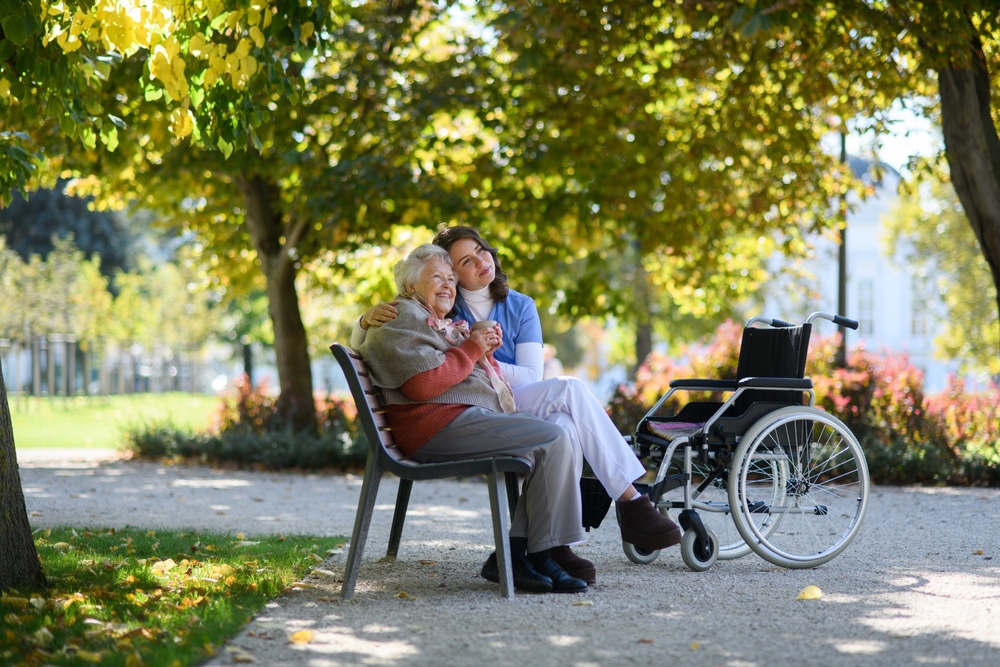
Inclusive design in urban environments is no longer a niche consideration—it’s essential. As Australia’s cities grow more diverse and populated, urban planners, councils, and designers are shifting their focus to ensure that street furniture serves everyone. From older adults and people with disabilities to parents with prams and children with growing independence, inclusive public design—especially seating—makes cities more welcoming, functional, and human-centred. This blog explores how inclusive design principles can be applied to public seats, park benches, and other key urban elements, enhancing liveability for all across Australia.
What Is Inclusive Street Furniture?
Inclusive park and street furniture is designed with accessibility, comfort, and safety in mind for people of all ages and abilities. This can mean everything from ensuring that public seats are at the right height for easy sitting and standing, to including tactile paving for the vision impaired near park benches and footpaths. It’s about reducing physical barriers in the built environment and supporting community participation.
Designers and street furniture manufacturers are increasingly using guidelines informed by universal design principles, the Disability Discrimination Act (DDA), and local accessibility standards to ensure no one is left out of the public space experience.
Key Features of Accessible Public Seating
1. Height and Ergonomics
Seating should accommodate users with limited mobility. Standard seat heights between 450–500mm help users sit down and stand up with minimal effort. Curved or sloped seats can cause discomfort, especially for older users—flat, supportive seating is preferred.
2. Armrests and Backrests
For those needing stability and balance support, armrests are crucial. They help users ease into and out of a seated position and offer extra security while sitting. Backrests provide lumbar support and make public seats more comfortable for longer stays—important in transport hubs, parks, and waiting areas.
3. Tactile Ground Surfaces
Integrating tactile indicators near park benches can assist visually impaired users in locating seating safely. These ground surface indicators also create a sensory experience for people with cognitive disabilities, improving wayfinding in busy public spaces.
4. Space for Mobility Devices
Inclusive designs always factor in space around street furniture for wheelchairs, mobility scooters, walkers, and prams. This prevents crowding and allows users with different needs to access and use seating independently.
Why Inclusive Park Benches Matter
It might seem small, but accessible park benches play a big role in community life. They provide resting places along walking paths, in shopping districts, or near transport stops. For elderly residents or people living with chronic health conditions, strategically placed public seats can mean the difference between going out or staying home.
When park bench seats are thoughtfully spaced and designed, they also foster social interaction. People are more likely to engage with others or spend time in public when they know there’s somewhere safe and comfortable to rest.
The Role of Materials and Durability
Accessibility doesn’t stop at design—it includes choosing appropriate materials. Non-slip, non-heat-retaining surfaces make street furniture safer in Australia’s varied climate. Surfaces should be smooth but not shiny (to avoid glare), and materials should be durable enough to reduce long-term maintenance without compromising comfort.
Timber, composite, and powder-coated steel are common choices for inclusive public seats, offering both aesthetic and functional benefits when properly finished and maintained.
Case Study: Melbourne’s Inclusive Design Initiatives
Melbourne has led the way in creating more inclusive streetscapes. Across the CBD and suburbs, councils and urban planners have upgraded street furniture to meet DDA guidelines, installing wider seating, tactile paving, and clearer circulation paths. In parks such as Fitzroy Gardens and Flagstaff Gardens, upgraded park bench seats with armrests, backrests, and companion spaces for wheelchairs have greatly improved access.
Small Changes, Big Impact
Inclusive urban design isn’t just about ramps and accessible toilets—it’s also about the day-to-day elements we all use. Thoughtfully designed street furniture, such as public seats and park benches, has a tangible impact on how people interact with their environment. When everyone can comfortably rest, wait, or simply enjoy public spaces, cities become healthier, more social, and more equitable. By prioritising universal access in furniture design, urban areas not only meet compliance obligations but also show genuine care for community wellbeing. The future of inclusive urban design is here—one seat at a time.