
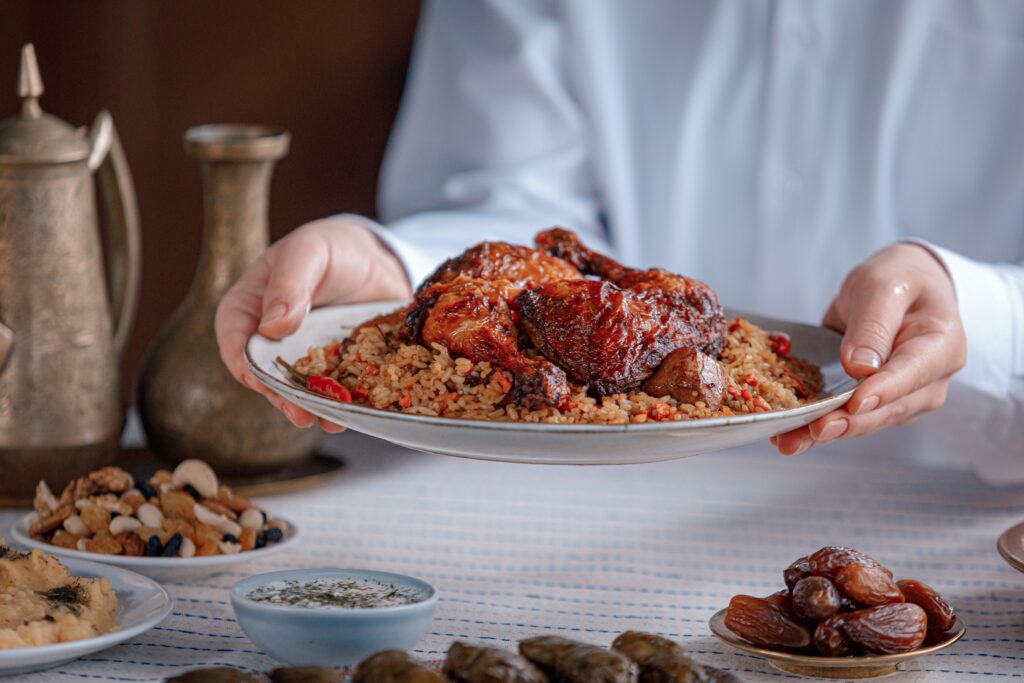
Australia’s food culture keeps changing, and the halal food market sits at the heart of that progress. From independent cafés to major supermarkets, more businesses now offer food that meets Muslim dietary requirements while appealing to a much wider audience. The growth of halal certified products in Australia and stronger Australian halal accreditation practices are helping shoppers make informed choices with greater confidence.
Several trends are driving this change. They reflect shifting consumer expectations, Australia’s multicultural communities and the country’s strong position as a trusted food producer.
1. Halal food is moving into the mainstream
Halal dining is no longer limited to specialist restaurants or particular suburbs. Restaurants, food courts, caterers and delivery platforms across Sydney, Melbourne, Brisbane, Perth and Adelaide are expanding their menus to serve Muslim customers.
This wider availability benefits families and friendship groups with different dietary needs. People can share the same meal without asking one person to bring separate food or search for a suitable restaurant at the last minute.
The trend also creates room for more creative menus. Australian produce now appears in dishes such as halal-certified burgers, premium steaks, seafood meals, modern Middle Eastern plates and Asian-inspired street food.
2. Supermarkets are expanding halal ranges
Supermarket shelves show just how quickly demand has developed. Consumers can find halal meat, frozen meals, snacks, sauces, confectionery and ready-to-eat products in more locations.
The rise of halal certified products in Australia also reflects changing shopping habits. Customers want convenience, clear labelling and products that suit the whole household. A family may buy certified chicken or ready meals for a weeknight dinner, halal confectionery for children and certified ingredients for a special celebration.
Online grocery services are adding to this convenience. Digital filters, product descriptions and brand information allow shoppers to identify suitable goods before they visit a store.
3. Clearer certification and better traceability
Trust remains essential. Consumers want to know how a product was made, where its ingredients came from and whether the certification remains current.
Reliable Australian halal accreditation gives businesses a recognised framework for demonstrating compliance. It can cover sourcing, production, storage, handling and preparation, depending on the product and certification arrangement.
Food producers are also improving traceability. Some brands now provide information about suppliers, processing facilities and certification bodies on their websites or packaging. QR codes may eventually make it easier for shoppers to check product details at the point of purchase.
4. Halal fusion cuisine is inspiring chefs
One of the most enjoyable developments is the growth of fusion food. Chefs are combining Australian ingredients with Malaysian, Turkish, Lebanese, Indonesian, South Asian, African and other culinary traditions.
This approach gives diners more choice while supporting local growers and producers. Menus may feature native herbs, Australian lamb, locally caught seafood or seasonal vegetables alongside traditional spices and cooking methods.
Food festivals and night markets have helped this trend grow. They offer small businesses a low-risk way to test new dishes, meet customers and build a loyal following.
5. Plant-based and health-focused options are growing
Like many Australians, halal diners are also interested in nutrition, sustainability and animal welfare. As a result, businesses are developing more plant-based, vegetarian and flexitarian options.
These products still need careful checking. A plant-based item may contain alcohol-derived flavourings, non-compliant additives or ingredients manufactured alongside unsuitable products. Clear certification and accurate allergen information remain important.
The opportunity is significant. A well-designed menu can serve Muslim customers, vegetarians, people reducing their meat intake and anyone seeking lighter meals.
6. Halal tourism is influencing hospitality
Australia’s tourism industry is paying closer attention to Muslim travellers. Visitors often look for suitable food near hotels, airports, attractions and conference venues.
Hotels can respond by offering certified breakfast items, clear ingredient information and suitable room-service choices. Tour operators can improve experiences by identifying trusted restaurants and allowing time for prayer.
These small adjustments can make a destination feel easier and more welcoming. They may also encourage visitors to stay longer and recommend Australia to friends and family.
7. Local producers are being welcomed to export markets
Australia already has a strong reputation for meat, dairy, grains and other agricultural products. Halal certification can help producers reach consumers in Southeast Asia, the Middle East and other international markets.
The global halal food market continues to attract investment, although estimates vary depending on which products and regions researchers include. Australia’s advantage rests on its food safety systems, agricultural quality and established export relationships.
For smaller producers, success requires more than obtaining a certificate. They need consistent supply, reliable packaging, suitable logistics and a clear understanding of each export market’s requirements.
The halal food market will keep growing in Australia
The halal food market is becoming a lasting part of Australia’s food economy and social life. Wider access to halal certified products in Australia, Melbourne and Australian halal accreditation and imaginative dining concepts are giving more people confidence and choice. As businesses continue to improve transparency, quality and convenience, the halal food market will help continue to shape an already vibrant and welcoming Australian food scene.