
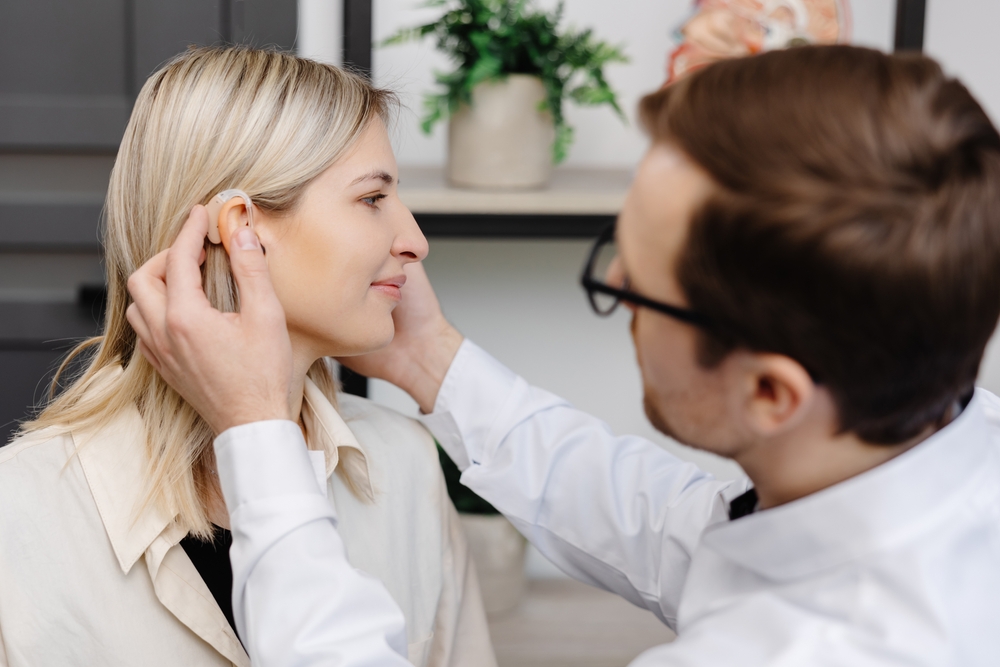
If you have ever struggled to follow conversations in a busy café or found yourself turning the TV up more than usual, you have probably wondered what your options are. A proper hearing test with an experienced audiologist in Melbourne is usually the first step. From there, you will hear about solutions ranging from the best hearing aid technology to simple assistive listening devices.
They often get grouped together, but they serve different purposes. Understanding how each works can help you choose the right support for your daily life.
What are Hearing Aids?
Hearing aids are medical devices designed to improve hearing across a wide range of environments. They are fitted and programmed based on the results of a hearing test.
Modern devices are far more advanced than many people expect, and well-fitted hearing aids can significantly improve speech understanding, especially in noisy environments.
Here is what they typically do:
- Amplify sounds based on your specific hearing loss
- Process speech differently from background noise
- Adjust automatically depending on your surroundings
- Connect to phones, TVs, and other devices
The best hearing aid technology now includes features like directional microphones, feedback reduction, and even artificial intelligence that adapts in real time.
Importantly, hearing aids are personalised. An audiologist in Melbourne will assess your hearing profile and fine-tune the device to suit your needs, lifestyle, and listening environments.
What are Assistive Listening Devices?
Assistive listening devices, often called ALDs, are designed for specific situations rather than all-day use. They do not replace hearing aids but can work alongside them or be used on their own.
Common examples include:
- TV listening systems that send sound directly to headphones
- Personal amplifiers for one-on-one conversations
- Remote microphones used in meetings or classrooms
- Loop systems in public venues like theatres or airports
Unlike hearing aids, ALDs are not customised to your hearing loss in the same way. They simply make certain sounds clearer or louder in targeted situations.
The Key Differences
The easiest way to think about it is this:
Hearing aids are designed for everyday hearing. Assistive listening devices are designed for specific moments.
Here are the main differences that matter in practice:
1. Personalisation
Hearing aids are tailored using results from a hearing test. ALDs are more general and do not adapt to your hearing profile.
2. Usage
Hearing aids are worn throughout the day. ALDs are used when needed, such as watching TV or attending a lecture.
3. Technology level
The best hearing aid technology includes complex sound processing and automation. ALDs tend to be simpler, focusing on direct sound delivery.
4. Professional support
Hearing aids require fitting and ongoing care from an audiologist in Melbourne. ALDs can often be used without professional adjustment.
When Might You Need One or Both?
This is where things become more practical.
If you have a diagnosed hearing loss that affects your daily communication, hearing aids are usually the primary solution. Studies consistently show improved quality of life and communication when hearing aids are properly fitted.
Assistive listening devices become useful when:
- You still struggle in noisy environments
- You attend meetings, lectures, or group discussions
- You want clearer sound from your TV or phone
Many people benefit from using both. For example, someone might wear hearing aids during the day and use a remote microphone in work meetings for extra clarity.
Why a Proper Assessment Matters
It is tempting to try quick fixes or off-the-shelf devices, but hearing is complex. Two people with similar symptoms can have very different hearing profiles.
A comprehensive hearing test provides detailed information about:
- The type and degree of hearing loss
- How well you understand speech
- Which frequencies are affected
From there, an audiologist in Melbourne can recommend the most appropriate solution. This may include the best hearing aid technology, assistive devices, or a combination of both.
Choosing the Right Solution for Your Lifestyle
The right option depends on how hearing challenges show up in your day.
Ask yourself:
- Do you struggle in most environments or only certain ones?
- Are conversations the main issue, or is it media like TV and phone calls?
- Do you need support at work, at home, or both?
A good clinician will not just look at your test results. They will look at your routine, your environment, and what you want to improve.
Hearing Solutions that Actually Work for Real Life
The goal is not simply to make things louder. It is to make communication easier and more natural.
That often means combining tools. Hearing aids handle everyday listening, while assistive devices step in when situations become more demanding.
Hearing Test and Hearing Aid Options in Melbourne: What to Do Next
If you are noticing changes in your hearing, the best step is to book a hearing test with a trusted audiologist in Melbourne, with convenient Richmond and Frankston clinics. This gives you a clear understanding of what is happening and what options are available. From there, you can explore the best hearing aid technology suited to your needs and learn whether assistive listening devices could support you in specific situations.