
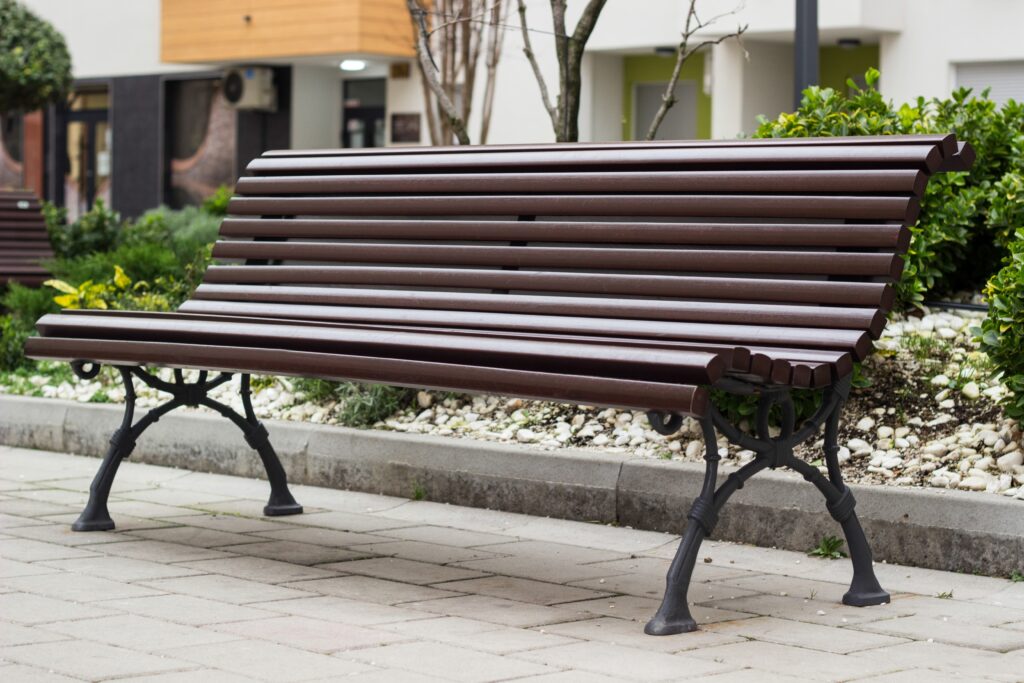
From a new park bench in a quiet suburb to a complete upgrade of a busy shopping strip, streetscape furniture rarely appears by accident. Australian councils need to balance community needs, safety, accessibility, budgets, maintenance and long-term urban planning before installing even the simplest piece of infrastructure. A successful public space furniture installation, well-designed street and park furniture, and practical urban furniture for schools and cities can all help create public spaces that work better for the people who use them every day.
It Starts with Understanding How People Use the Space
Before choosing furniture, councils need to understand the purpose of the space and the people who use it.
A busy transport precinct has very different needs from a neighbourhood park. Likewise, a school zone may require seating, bicycle parking, shelters and barriers that support students, parents and staff during busy drop-off and pick-up periods.
Councils often consider factors such as pedestrian movement, nearby businesses, public transport, accessibility, existing infrastructure and expected population growth. Community consultation can also play an important role, particularly for larger projects or significant upgrades.
The goal is not simply to fill an empty footpath with furniture. Good urban design considers how each element contributes to the overall experience of the space.
Choosing the Right Furniture for the Job
Once councils understand how a space functions, they can begin selecting the appropriate furniture.
Benches and picnic settings can encourage people to stop, rest and socialise. Bicycle racks support active transport. Bin surrounds help manage waste, while bollards and barriers can improve safety and guide vehicle movement. Shelters provide protection from Australia’s often unpredictable weather.
The challenge lies in creating a coordinated environment rather than a collection of unrelated objects. Streetscape furniture should complement surrounding buildings, landscaping, pathways and public facilities while remaining practical for everyday use.
Schools present another interesting planning challenge. Quality urban furniture for schools needs to withstand heavy daily use while supporting safety, supervision and social interaction. Durable seating, picnic settings, bike racks, shelters and barriers can all contribute to a more functional campus environment.
Accessibility and Safety Shape Every Good Plan
Councils also need to consider how people of different ages and abilities will move through a space.
Furniture should not obstruct footpaths, ramps, crossings or access points. Seating can provide valuable rest opportunities for older residents, parents with young children and people with limited mobility. Placement also affects safety, visibility and pedestrian flow.
A well-planned public space furniture installation considers more than the furniture itself. It looks at sightlines, lighting, traffic movement, drainage, surrounding vegetation and the relationship between pedestrians and vehicles.
This broader approach helps councils avoid common problems such as benches placed in unusable locations, bike racks that block footpaths or barriers that create unnecessary obstacles.
Balancing Budgets with Long-Term Value
Budget constraints remain one of the biggest challenges for councils. However, choosing the cheapest option upfront does not always deliver the best value over the life of a project.
Australian public furniture needs to withstand strong UV exposure, rain, heat, heavy use and, in some locations, coastal conditions. Durable materials, quality manufacturing and appropriate finishes can reduce maintenance requirements and extend the lifespan of each product.
For this reason, councils often consider whole-of-life costs alongside initial purchase prices. Streetscape furniture that lasts longer and requires fewer repairs can provide stronger value over time, especially in high-traffic locations.
From Design to Installation
Planning does not stop once the furniture has been selected. Councils must coordinate delivery, site preparation, foundations, installation and, where necessary, contractor access and traffic management.
Experienced suppliers and installers can help streamline this process by offering design support, manufacturing, delivery and installation services. This becomes particularly valuable when a project involves bespoke products or multiple furniture types.
For projects involving urban furniture for schools, installation timing also matters. Contractors may need to work around school hours, holidays and student safety requirements to minimise disruption.
Careful scheduling can help councils and facility managers complete upgrades efficiently while keeping public spaces accessible.
Ongoing Maintenance and Community Care
Installation marks the beginning of the furniture’s life in the community, not the end of the council’s responsibility.
Councils need maintenance plans for cleaning, inspections, repairs and eventual replacement. They may also adjust layouts over time as population needs, transport habits and public spaces evolve.
A successful public space furniture installation should therefore remain flexible enough to support future changes while providing immediate benefits.
Community members also have a role to play. Looking after public infrastructure and reporting damage can help councils keep shared spaces safe, functional and welcoming for longer.
Building Better Public Spaces Starts with Better Planning
Great streetscapes result from thoughtful decisions rather than simply installing a few benches and hoping for the best. Councils need to understand how people use a space, select durable products, prioritise accessibility and plan for long-term maintenance.
When local governments take a strategic approach to streetscape furniture, invest in practical urban furniture for schools, and manage every public space furniture installation with the bigger picture in mind, they can create parks, streets and community spaces that continue to serve Australians for many years to come.