
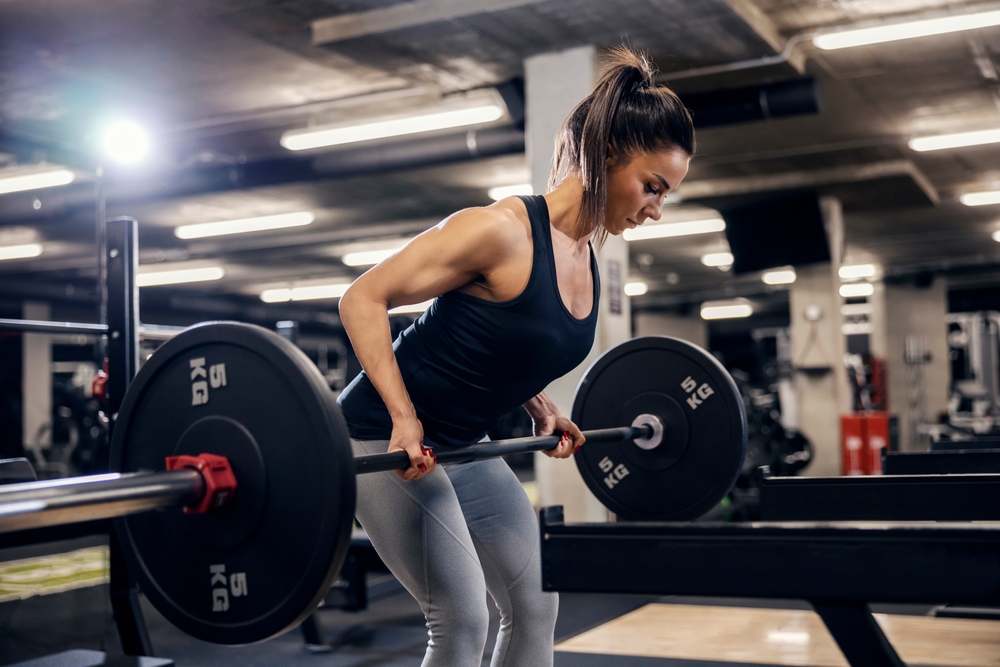
Many Australians love hitting the gym to build strength and stay active. Squats, deadlifts, and heavy presses feel fantastic for building confidence and health, increasing overall muscle tone. However, repeatedly lifting heavy weights without correct technique can quietly contribute to a pelvic floor problem. When women experience symptoms like heaviness or leaking after intense workouts, they often wonder who to consult and how to fix things. Finding the best prolapse surgeon in Melbourne becomes a priority for those wanting to maintain an active lifestyle without compromising their internal support. A dedicated colorectal and prolapse specialist can explain exactly how intra-abdominal pressure interacts with these vital muscles over time and offer practical solutions.
The Pressure Cooker Effect
Lifting heavy weights creates a massive amount of pressure inside the abdomen. Think of the human core as a strong, pressurised canister. The diaphragm sits at the top, the abdominal muscles form the sides, and the pelvic floor muscles create the supportive base. When someone holds their breath and strains during a heavy deadlift or squat, that internal pressure needs somewhere to go. If the core fails to manage this force effectively, the pressure pushes directly down onto the supportive base.
According to research, high-impact activities and heavy lifting significantly increase the risk of developing internal weakness, whether a prolapse or even a hernia. It’s a simple matter of physics meeting human anatomy.
Long-Term Impacts of Constant Straining
Over time, this repeated downward force acts like a slow stretching mechanism. The muscles and connective tissues supporting the bladder, bowel, and uterus can lose their natural elasticity. This constant strain is a major culprit behind a developing pelvic floor problem, especially for women who train multiple times a week.
Gym-goers might start noticing small leaks during a workout, abdominal pain, or a dragging, heavy sensation by the end of the day. Ignoring these early warning signs can lead to more complex anatomical shifts, such as pelvic organ prolapse. If conservative measures like pelvic floor exercises and physiotherapy don’t resolve the issue, seeing a colorectal and prolapse specialist offers a clear pathway forward. Working with the best prolapse surgeon in Melbourne ensures that any surgical interventions focus on restoring function and allowing a safe, confident return to fitness.
Best Practices for Protecting Your Pelvic Health
Fortunately, giving up the gym is entirely unnecessary! Research shows that modifying your lifting technique provides excellent protection for your internal organs.
The most crucial modification involves breathing correctly. Fitness professionals and medical experts recommend exhaling strongly during the exertion phase of a lift. This simple change prevents pressure from building up and forcing its way downwards. Engaging the pelvic muscles right before the lift provides a solid foundation of support. Additionally, gradually increasing weights allows the connective tissues to adapt safely.
Listening to the body is essential, and getting an expert assessment at the first sign of discomfort prevents minor issues from becoming major setbacks. You shouldn’t push through structural pain.
When to Speak to a Colorectal and Prolapse Specialist
Many women brush off mild symptoms, thinking they’re just a normal part of ageing or lifting heavy weights. However, early intervention yields the most successful outcomes.
Persistent lower back pain, bulging sensations, or changes in bowel habits require a professional medical evaluation. Modern medical studies highlight that addressing these issues early prevents the need for extensive repairs later in life.
Specialists utilise advanced diagnostic tools to pinpoint exactly where the weakness lies and tailor a recovery program specific to the patient. You can’t ignore persistent symptoms if you want to keep lifting long-term.
Expert Care for Pelvic Organ Support
Maintaining a strong body through weightlifting brings incredible health benefits, but it requires mindful attention to internal core pressure. Catching a pelvic floor problem early makes a world of difference for long-term health and mobility. If dragging sensations or unexpected leaks start interfering with weekly gym routines, reaching out for professional medical advice is the smartest move. Consulting a highly trained colorectal and prolapse specialist provides access to targeted, evidence-based treatments that truly work. Whether the solution involves specialised muscle retraining or advanced surgical repair, partnering with the best prolapse surgeon in Melbourne ensures women receive the right support to keep lifting safely for years to come.