In growing Australian cities, underused or neglected pockets of urban space can quietly chip away at a community’s liveability. Whether it’s an overlooked laneway, an empty corner near a transport hub, or a concrete area that sees plenty of foot traffic but little engagement, these location types present huge opportunities. With thoughtful design and quality street furniture in Melbourne and other major cities, urban planners can turn overlooked spaces into inviting areas where people linger, interact and feel connected. From partnering with the right street furniture suppliers to installing practical elements like bus shelters and park benches, strategic interventions can quickly breathe life back into underutilised public spaces.
Why Underused Urban Spaces Are a Growing Issue
Large cities naturally develop “dead zones”, spaces that don’t serve a clear purpose or haven’t evolved with population growth. These spots often lack shade, seating, lighting, greenery or pedestrian-friendly design. When neglected, they can become unsafe, unwelcoming or simply ignored by the community.
As populations grow denser, these gaps in the urban fabric become more noticeable. Councils and planners are increasingly prioritising site assessments to determine how these areas can better support community activity, accessibility and social connection. Even small, targeted interventions can have an outsized impact on an area’s usability and appeal.
The Role of Street Furniture in Reimagining Urban Spaces
One of the simplest ways to elevate an underused space is by installing high-quality, well-placed street furniture in Melbourne and other hubs that encourages people to pause, gather and interact with their surroundings. Items like seats, communal tables, benches, bike racks, drinking fountains, bollards, planters, and shade structures can completely shift how a public space feels and functions.
The key is selecting furniture that’s not only visually cohesive but also durable, safe, and suited to the location’s conditions. For example, coastal areas might require corrosion-resistant materials, while high-traffic transport zones need robust, low-maintenance solutions.
Thoughtful design also includes accessibility considerations. Furniture must accommodate people of all ages and abilities, from wheelchair-friendly benches to tactile surfaces and armrests that assist with standing.
Making Underused Spaces More Community-Focused
Cities thrive when people feel comfortable spending time in them. Introducing street furniture with intention helps create community-centred spaces that feel inclusive, welcoming and functional. Some effective strategies include:
Creating Social, Interactive Zones
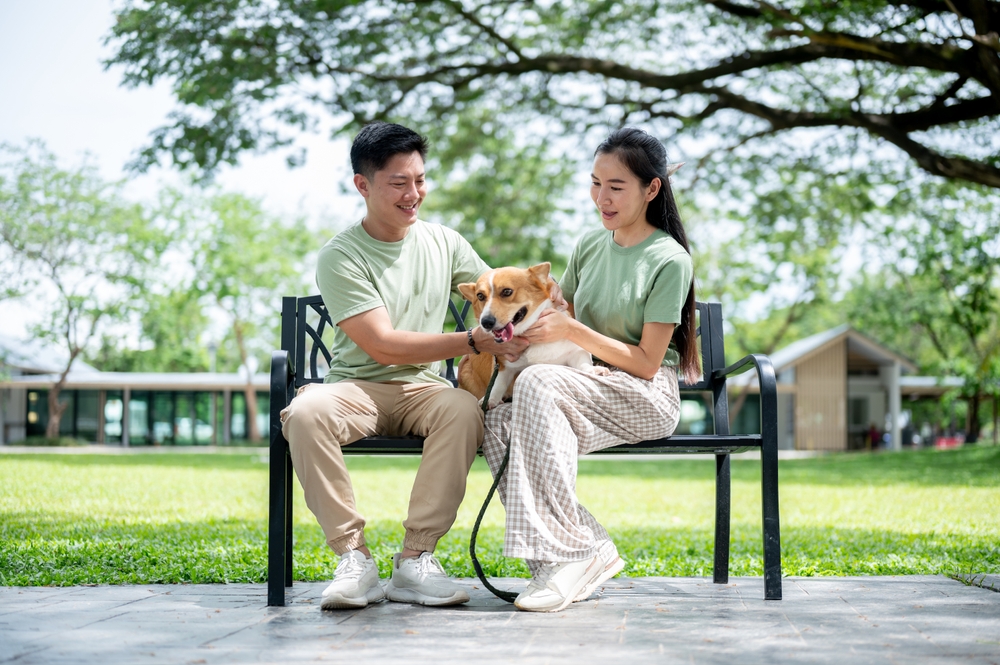
Adding seating clusters encourages social interactions, particularly when placed near greenery or shade structures. Community-driven design might also include outdoor fitness equipment, ping-pong tables, or reading corners near libraries.
Improving Walkability and Connectivity
Walkable cities rely on comfortable rest spots and clear pathways. Installing items like bollards, wayfinding signage, and durable paths encourages exploration. High-quality bus shelters also play a key role in improving the everyday commuter experience, making public transport zones safer and more appealing.
Boosting Safety Through Passive Design
A well-equipped public space can deter antisocial behaviour. Lighting, open sightlines, seating placement and smart landscaping all contribute to improved natural surveillance, the principle that “people attract people”. This can also help naturally deter the vandalism of newly installed streetscape elements.
Adding Greenery for Comfort and Wellbeing
Planters, raised garden beds, and shaded seating can transform a stark, empty space into one that feels cooler, softer and more inviting. Greenery also supports biodiversity and improves urban air quality.
Why Partnering With the Right Suppliers Matters
A strategic upgrade only succeeds if the structures installed are durable, long-lasting and tailored to the site. That’s why urban planners benefit from working closely with experienced local street furniture suppliers who can provide guidance, custom solutions and complete in-house services. From design and engineering through to fabrication and installation, reliable suppliers ensure the final outcome meets safety, accessibility and aesthetic standards, and continues performing well for years.
High-quality suppliers also help councils make cost-effective choices by recommending materials and builds that withstand Australia’s climate, heavy use and coastal conditions.
Bringing Underused Spaces Back to Life
Revitalising neglected pockets of the city doesn’t always require major construction. Thoughtful, well-designed street furniture in Melbourne and other Australian cities, paired with good planning and community insight, can significantly uplift the way people use and enjoy urban environments. When councils collaborate with trusted street furniture suppliers, they set the foundation for lasting improvements that enhance walkability, accessibility, safety and social connection. From more vibrant plazas to safer transit areas supported by durable bus shelters, smart investments in public space design ultimately strengthen community wellbeing and help cities reach their full potential.