
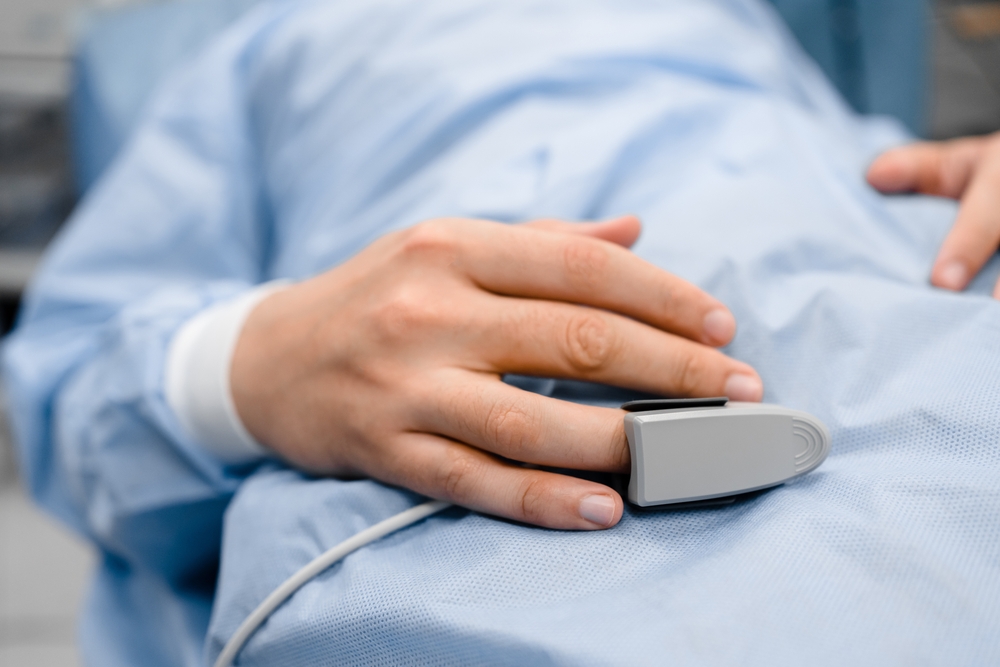
Day surgery allows you to return home on the same day as your procedure. It is commonly used for operations such as anal skin tag treatment, skin lesion removal, and anal wart excision, as well as many other minor colorectal and general surgical procedures. Advances in anaesthesia, infection control, and minimally invasive techniques have made day surgery safe and effective for most suitable patients.
Good preparation improves safety, reduces anxiety, and supports a smooth recovery. Here is what you need to know.
Understand Your Procedure
Start by making sure you clearly understand why you are having surgery and what it involves. Whether you are booked for anal skin tag treatment due to discomfort, skin lesion removal for a suspicious mole, or anal wart excision for persistent viral lesions, ask your colorectal surgeon:
- What will happen during the procedure
- What type of anaesthetic will be used
- How long will it take
- What recovery will involve
Patients who understand their procedure tend to report lower anxiety and better post-operative satisfaction. Write down your questions in advance. Do not rely on memory alone.
Follow Fasting Instructions Carefully
If you are having sedation or a general anaesthetic, you will need to fast. This usually means no solid food for six hours before surgery and only clear fluids up to two hours beforehand. Your hospital will give you specific instructions.
Fasting reduces the risk of aspiration, a serious complication where stomach contents enter the lungs during anaesthesia.
Do not chew gum or drink coffee with milk unless specifically told it is allowed. If you break fasting instructions, your surgery may need to be postponed.
Review Your Medications
Bring a full list of your medications, including over-the-counter supplements. Some drugs increase bleeding risk or interfere with anaesthesia.
Common examples include:
- Blood thinners such as warfarin or newer anticoagulants
- Aspirin and anti-inflammatory medication
- Herbal supplements such as ginkgo or garlic
If you are undergoing skin lesion removal or anal wart excision, your surgeon may advise you to pause certain medications beforehand. Always follow medical advice rather than stopping anything yourself.
If you have diabetes, heart disease, or other chronic conditions, specific instructions will be tailored to you.
Plan Your Journey Home
You cannot drive after sedation or general anaesthesia. Arrange for a responsible adult to take you home and stay with you for the first 24 hours.
Even procedures such as anal skin tag treatment performed under local anaesthetic can leave you sore or lightheaded. Having support at home makes recovery more comfortable and safer.
Prepare your home in advance:
- Have simple meals ready
- Keep prescribed pain relief within reach
- Set up a comfortable resting space
Practical preparation prevents unnecessary stress after surgery.
Reduce Infection Risk
On the day of surgery, shower with soap and water. Do not apply moisturiser, deodorant, or makeup near the surgical area.
If you are having skin lesion removal, ensure the area is clean and free of fake tan or cosmetic products. For anal wart excision or other anorectal procedures, your team will advise if any specific preparation is required.
Avoid shaving the surgical site unless instructed. Shaving can cause small skin abrasions that increase infection risk.
Stop Smoking If Possible
Smoking delays wound healing and increases the risk of complications. Even short-term cessation helps. Studies show that stopping smoking at least four weeks before surgery significantly reduces postoperative complications.
If your procedure is planned in advance, use this time wisely. Your body heals better when oxygen delivery improves.
Know What to Expect After Surgery
When going through your post-surgery instructions, ask about:
- Pain levels and how to manage them
- Bleeding that is normal versus concerning
- When you can return to work
- Warning signs that require urgent review
For example, mild bleeding and discomfort after anal wart excision is expected. However, heavy bleeding, fever, or severe pain should prompt medical contact.
If you are having skin lesion removal, you may need stitches and wound care instructions. For anal skin tag treatment, swelling and tenderness can last a few days.
Clear discharge instructions reduce emergency presentations and improve recovery outcomes.
Manage Anxiety with Facts
It is normal to feel nervous. Anxiety before surgery is common and linked to increased pain perception afterwards. Practical steps help:
- Read reliable information
- Avoid online forums that focus on worst-case stories
- Speak openly with your surgeon
If anxiety feels overwhelming, tell your medical team. They can offer reassurance and, if needed, medication on the day.
Preparation builds confidence.
Recovery Starts Before Surgery
Eat a balanced diet in the days before surgery. Adequate protein supports tissue repair. Stay hydrated and maintain light physical activity unless told otherwise.
Well-nourished patients recover more quickly and experience fewer wound complications. This is especially important for procedures involving delicate perianal skin.
If you are having anal skin tag treatment, skin lesion removal, or anal wart excision, small details matter. Clean skin, controlled medical conditions, and good communication all influence healing.
Preparing Properly for Surgical Outcomes
Thoughtful preparation makes day surgery safer and smoother. When you follow fasting rules, review medications, arrange support, and understand recovery, you reduce complications and stress. Procedures such as anal skin tag treatment, skin lesion removal, and anal wart excision are commonly performed by colorectal surgeons as day surgery with excellent outcomes when patients prepare carefully. Ask questions, follow instructions precisely, and focus on practical steps you can control. Good preparation is an active part of your treatment, not an afterthought.