Home Wildlife Experiences Queensland seasonal nature wildlife calendar
Organise your own meet and greet with the native flora and fauna that call the Sunshine State home using Queensland’s seasonal nature and wildlife calendar. From swimming alongside humpback whales to spotting wallabies in their natural habitat, this guide highlights the best times and places to meet our most iconic locals, and the expert operators who can get you closer. Your itinerary? Packed with unforgettable wildlife moments.
Summer wildlife in Queensland: Turtles & waterfalls
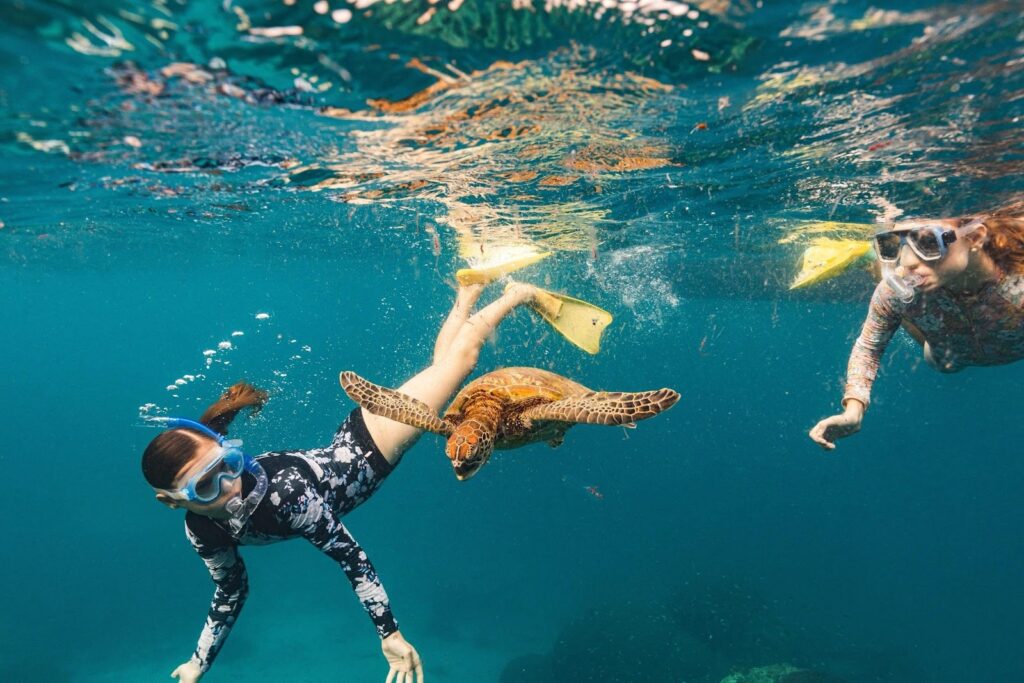
Heron Island, Gladstone, Southern Great Barrier Reef
Summer in Queensland is one of the best times for unforgettable wildlife encounters. From turtle hatchlings scurrying to the sea, to bats emerging from ancient caves, and waterfalls at their most powerful, the season is full of natural wonders.
Turtle Hatchlings (January–March)
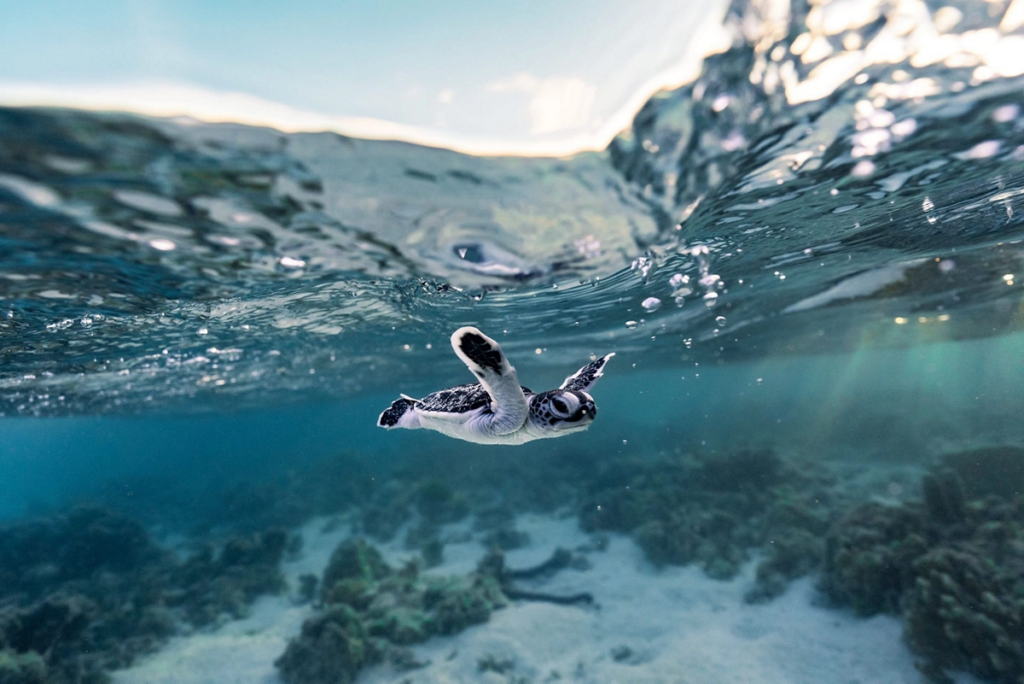
Turtle season in Queensland officially begins in November, when female turtles return to the beaches to lay their eggs. The real magic happens from January to March, when thousands of turtle hatchlings dig free from the sand and race to the ocean. The best places to see turtles in Queensland include:
- Mon Repos, Bundaberg: Here you’ll find the largest turtle conservation rookery in the South Pacific. Join a park ranger to watch turtles hatch under the stars, and scope out the Turtle Centre with immersive exhibits.
- Heron Island, Gladstone: Both Green and Loggerhead turtle species call Heron Island home. Stroll straight from the beach into the coral cay alongside baby turtles.
- Lady Musgrave Island, Gladstone: Jump on the Lady Musgrave Experience, one of the region’s highest-awarded eco tour guides, to snorkel and dive amongst incredible coral bommies teaming with turtles.
Bat Season (December–March)
Queensland’s Capricorn region is one of the country’s best spots to witness bat colonies. At Bat Cleft in Mount Etna Caves National Park, just outside Rockhampton, around 180,000 bent-wing bats emerge at sunset during summer. This is one of only five maternity sites in Australia and home to 80% of the nation’s breeding females. Join a Torchlight Tour for a front-row seat to this spectacular nightly show.
Chasing Summer Waterfalls
Summer rainfall transforms Queensland’s landscapes into lush, green wonderlands. Northern regions see waterfalls thundering at full force, while calmer winds bring super-clear conditions on the Great Barrier Reef, perfect for snorkelling and diving. Tick off some of our favourites here.
Autumn Wildlife in Queensland: Koalas and Manta Rays
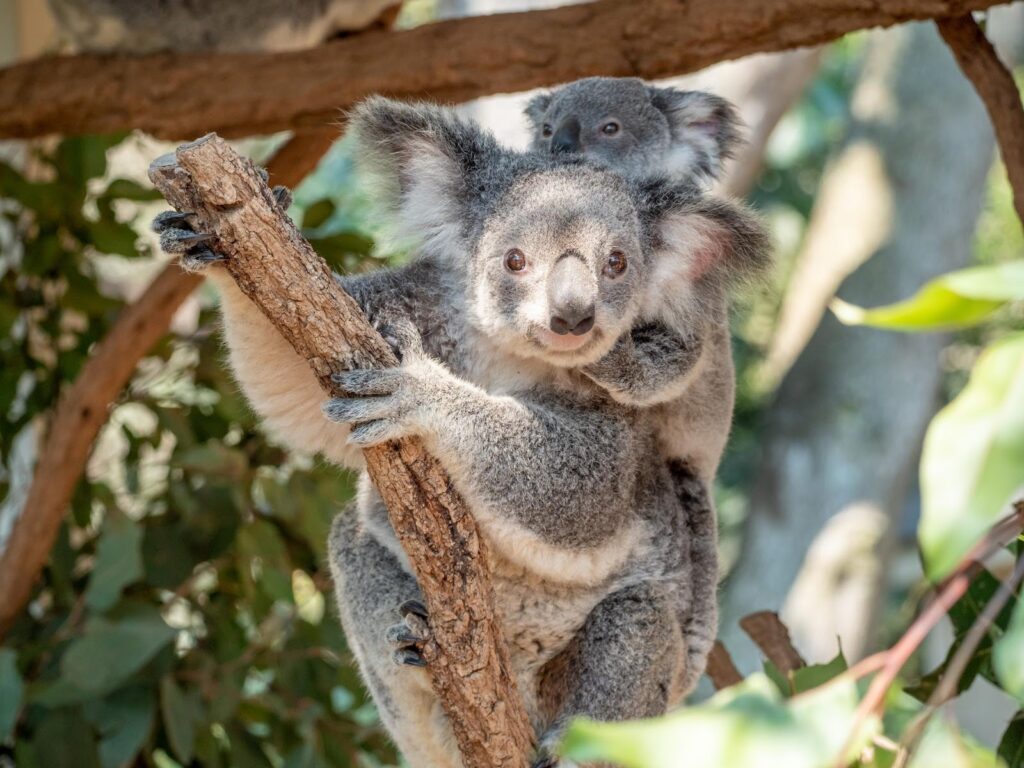
Lone Pine Koala Sanctuary, Brisbane
As the weather cools, Queensland comes alive with seasonal wildlife experiences. From spotting newborn koala joeys to swimming with graceful manta rays, autumn is a top time to explore the state’s wild side.
Koala Season (March–May)
March is when the cutest locals come out to play, koala joeys begin to peek out of their mother’s pouch, making autumn the perfect time to spot them in the wild. Queensland is home to some of the country’s most significant koala habitats, especially in quieter, less developed regions where they thrive.
- Sunshine Coast: where coastal bushland blends into lush hinterland forests, creating prime koala country.
- Minjerribah (North Stradbroke Island): just a short ferry ride from Brisbane, you’ll find clusters of koalas nestled high in the gum trees.
If you miss seeing koalas in the wild, don’t worry, you can still enjoy a close encounter. Iconic sanctuaries such as Lone Pine Koala Sanctuary in Brisbane and Australia Zoo on the Sunshine Coast, offer the chance to learn about conservation and maybe even enjoy a cuddle.
Manta Ray Encounters (May–August)
The cooler waters of late autumn and winter draw manta rays to Queensland’s coastline in impressive numbers. These gentle giants are a bucket-list sight, gliding gracefully through the shallows and reefs. Top spots to swim with manta rays in Queensland include:
- Lady Elliot Island: often called the “home of the manta ray,” thanks to its thriving year-round population. This tour includes a scenic flight and guided snorkel.
- The Whitsundays: crystal-clear waters provide incredible visibility for spotting rays. Head to aptly named Manta Ray Bay – a playground of underwater valleys, caves and swim-throughs
- Minjerribah (North Stradbroke Island): one of the state’s best mainland-accessible manta encounters. Your best chance to see them is to gear up and scuba at Manta Bommie Dive Site – known as one of the top ten dive sites in Australia.
Winter Wildlife in Queensland: Whale Watching and Swimming With Minkes

Hervey Bay Whale Watch, Hervey Bay, Fraser Coast
Winter in Queensland means one thing: whale season. From humpback whale migrations to rare encounters with minke whales, this is the time of year to witness some of the ocean’s most awe-inspiring giants.
Humpback Whales (June–November)
Each winter, more than 25,000 humpback whales travel through Queensland’s warm waters on their annual migration from Antarctica, often with calves in tow. The state is home to some of the best whale watching in the world, with Hervey Bay recognised as the world’s first Whale Heritage Site. Top spots for humpback whale watching in Queensland include:
- Hervey Bay, Fraser Coast: the ultimate destination for up-close encounters, including the chance to swim alongside them. There’s plenty of tours to suit every type of adventurer here.
- Gold Coast: From Coolangatta to Surfers Paradise, the Gold Coast welcomes the first pods and is the best place to watch them at the start and end of the season as they make the way back to Antarctica. Check out Sea World Cruises to get up close and personal.
- Brisbane: Cruise out into Moreton Bay with Brisbane Whale Watching, a purpose built whale watching vessel that departs daily from Redcliffe.
- Sunshine Coast: Hop aboard Sunreef Mooloolaba, and you’ll not only witness the magic from the surface but also have the option to swim with the whales.
Minke Whales (June–July)
Queensland has bragging rights as also the only place in Australia where you can swim with the elusive dwarf minke whale. Found in the northern reaches of the Cairns & Great Barrier Reef region, minkes appear only for a short season during June and July. For an unforgettable encounter, join a liveaboard expedition with expert operators like Mike Ball Dive Expeditions, offering the rare chance to share the water with these curious creatures.
Spring in Queensland: Wildflowers, Jacarandas and Coral Spawning
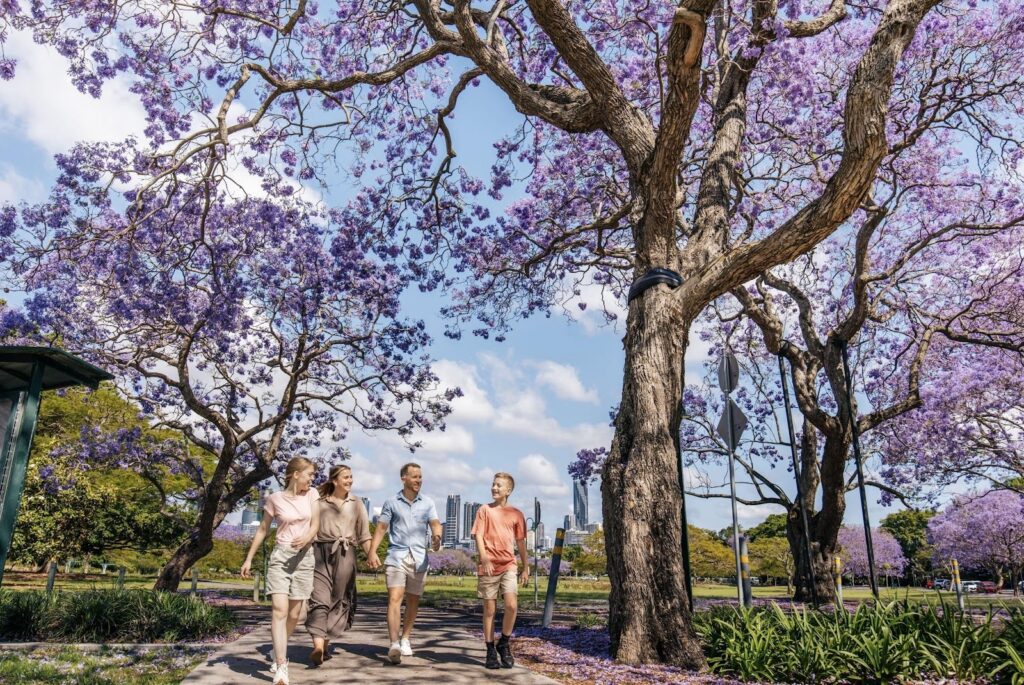
New Farm Park, Brisbane
Spring in Queensland isn’t just about wildlife, it’s when the landscape itself bursts into life. From wildflower blooms in the Outback to jacarandas painting city streets purple, this is one of the most colourful times of year to explore the state.
Wildflower Season (September–October)
After the spring rains, the Western Downs transform into sweeping fields of native wildflowers. This annual display draws photographers, road trippers and nature lovers keen to see Queensland’s wildflowers in full bloom. Check out this ultimate guide on where to see them.
Jacaranda Season (October–November)
In late spring, jacaranda trees cover Brisbane, the Sunshine Coast, Gold Coast and southern Queensland countryside in a vibrant purple haze. It’s a picture-perfect time to visit the city’s parks and riverfront walks. Here’s exactly where to see them.
Coral Spawning (November)
Spring also brings one of nature’s most extraordinary events, coral spawning on the Great Barrier Reef. Around the November full moon, billions of coral polyps release eggs and sperm in a synchronised explosion that turns the reef into a dazzling underwater snowstorm. Operators like Divers Den and Pro Dive all offer night trips out to the Reef to witness this magic in real life.
Year-Round Wildlife Encounters in Queensland
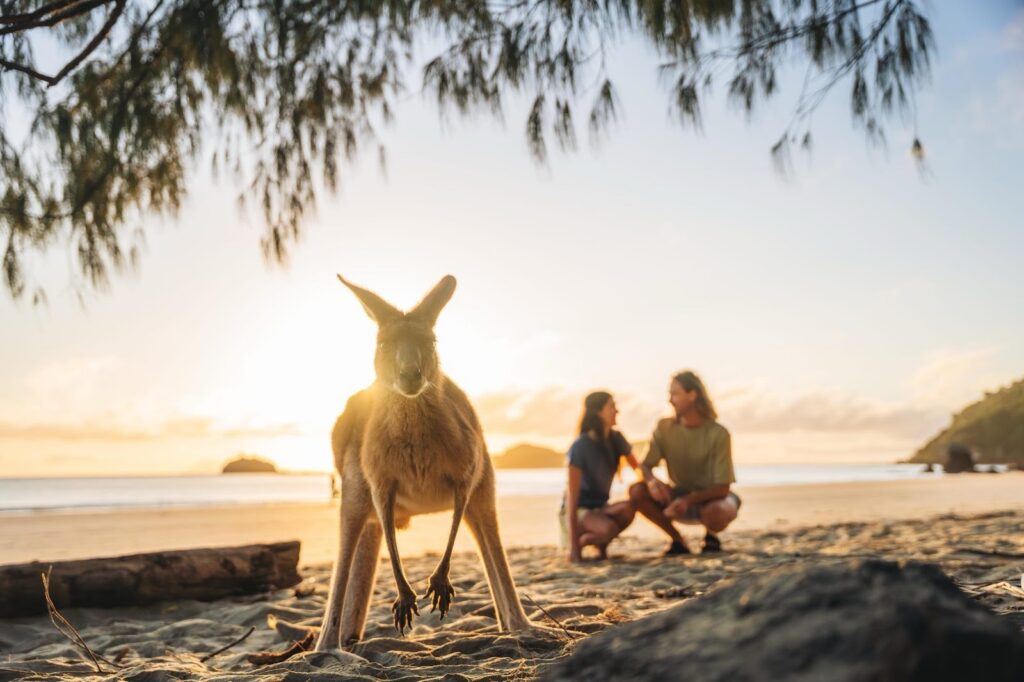
Cape Hillsborough National Park, Mackay
The beauty of Queensland’s seasonal nature and wildlife calendar is that incredible encounters aren’t limited to a single season, so many goosebump-inducing experiences can be enjoyed year-round.
Cassowaries and Crocodiles (Tropical North Queensland)
Head north to the Daintree Rainforest, Mission Beach and Cape Tribulation, where you can spot the elusive cassowary roaming the rainforest floor. Along the waterways, keep your eyes peeled for saltwater crocodiles basking on the riverbanks.
Dingoes and Dolphins (Fraser Coast & Sunshine Coast)
On K’gari (Fraser Island) – the world’s largest sand island – you’ll likely encounter dingoes in their natural habitat. Further south, dolphins can be spotted year-round around Tangalooma, Mulgumpin (Moreton Island) and Tin Can Bay, with dusk being the best time to get up close from the shoreline.
Wallabies and Platypus (Mackay & Eungella National Park)
At sunrise, join the famous wallaby gatherings on the beach at Cape Hillsborough near Mackay. Inland, Eungella National Park offers one of the best chances in Australia to see platypus in the wild, particularly at dawn and dusk when they’re most active.
Final Word: Make your next getaway a wild one!
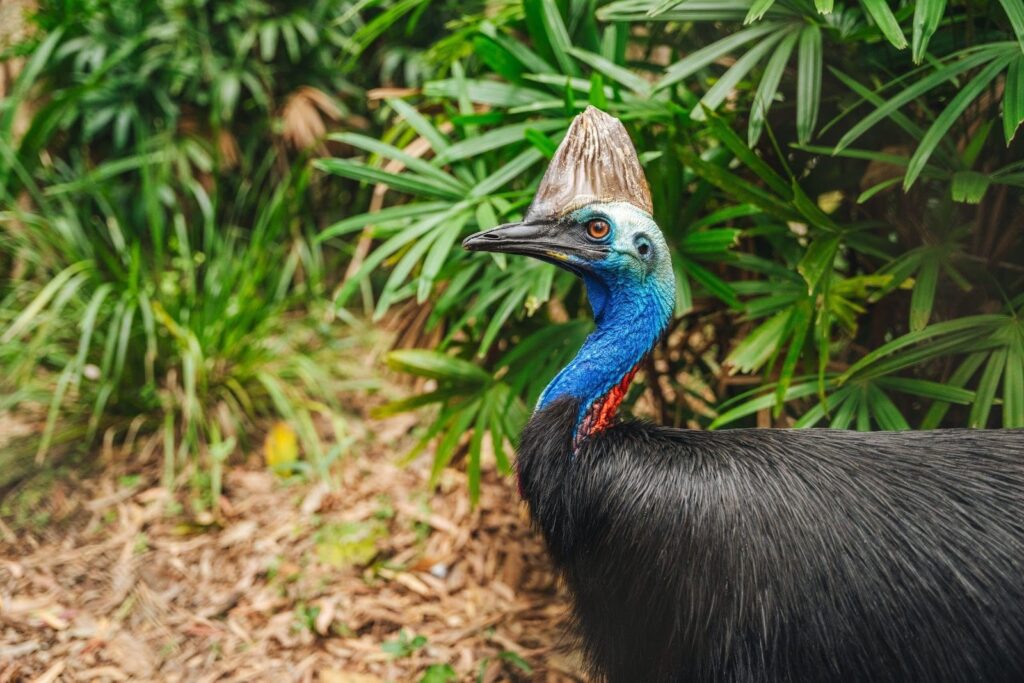
Billabong Sanctuary, Townsville
No matter when you visit, Queensland delivers unforgettable encounters with nature, whether it’s reef manta rays, rainforest birdsong or turtles nesting under the stars. Each season brings its own spectacle, giving you even more reason to come back again and again. So why wait? Start planning your Queensland escape and let the state’s wild side set the scene for your next adventure.