
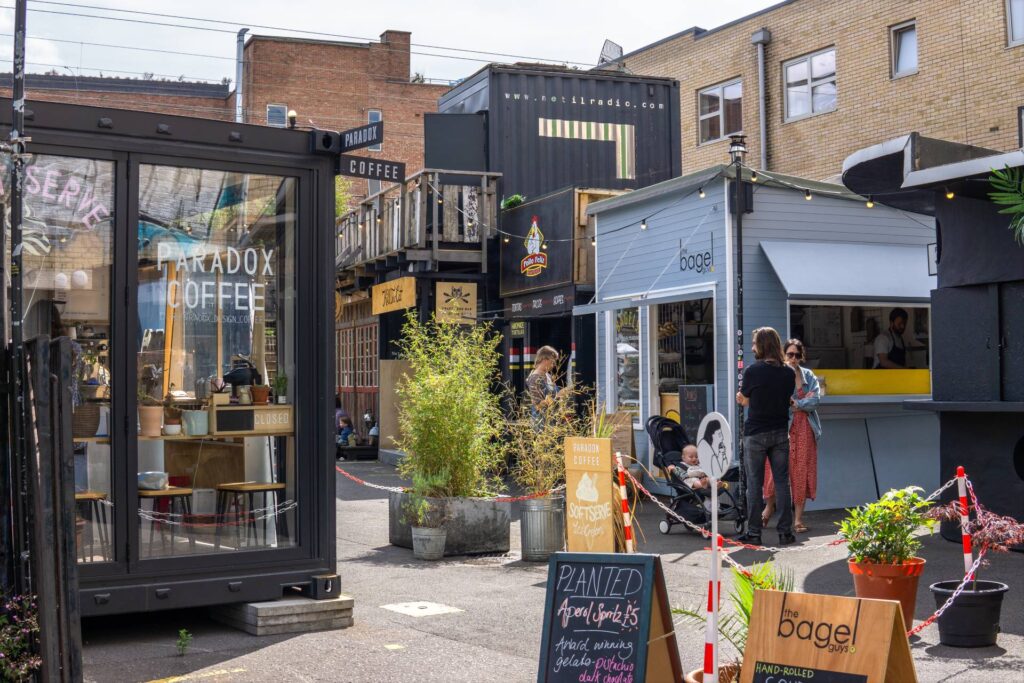
There’s something special about a market stall or pop-up. It’s the place where small businesses meet their community face-to-face, turning curious passers-by into loyal customers. For many makers, foodies, and entrepreneurs, these events aren’t just sales opportunities, they’re testing grounds for new ideas, a chance to hear real feedback, and a way to put their brand on the map without the costs of a permanent shopfront.
Across Australia, markets and local events have become a vital stepping stone for small businesses looking to grow. From weekend farmers’ markets to design fairs, night markets, and seasonal pop-ups, there are countless opportunities to showcase what you do best. The trick is knowing how to find markets and events near you, how to secure a stall, what rules to follow, and which events will give you the best return. This guide breaks it all down, with practical advice and a calendar of upcoming markets from Sydney to Perth.
Why Markets, Pop-Ups and Local Events Matter
Small businesses benefit from these spaces in several ways:
- Direct access to customers, immediate feedback on products, chance to build a following.
- Low overhead compared with permanent retail, good for testing new product lines.
- Networking: with fellow stallholders, event organisers, suppliers.
- Local visibility: media and community engagement often higher when you’re physically present.
Studies of market traders show that presentation, consistency, and customer interaction strongly predict success. Engaging display, clear signage, friendly presence, and reliable attendance build trust.
How to Budget for a Market Stall
Before you book a stall, take the time to calculate your likely costs. Fees vary depending on the event and city, but most casual stallholders can expect to pay between $50 and $200 per day for a standard space. Premium events, design markets, or stalls with power access often cost more, sometimes upwards of $300.
Insurance is another fixed expense. Many markets require at least $10 million public liability cover, which typically costs a few hundred dollars annually. Add in transport, parking, signage, packaging, and staff time if you need help on the day. If you are selling food, factor in compliance costs such as council registration and food safety training.
Once you know your total outlay, set clear sales targets to make sure the event is worthwhile. Keeping a spreadsheet of expenses helps you refine your approach for future markets.
Designing a Stall That Stands Out
Your stall is your shopfront, so presentation matters. Customers are more likely to stop if your space feels inviting, organised, and visually appealing. Start with a simple structure such as a gazebo or trestle table and build up with consistent branding. Use banners or signage that clearly show your business name and what you sell.
Think about flow. Place your bestsellers at the front and display items at varying heights to create interest. Good lighting, especially at night markets, makes products stand out and creates a professional impression. Small touches such as tablecloths, baskets, or props can also reinforce your brand identity.
Most importantly, make sure you look approachable. Keep the stall tidy throughout the day and position yourself where you can greet people rather than sitting behind a table.
Marketing Beyond the Stall
Markets work best when you combine in-person sales with online marketing and promotion. Let people know where you will be well before the event. Share posts on Instagram and Facebook, tag the event organisers, and use local hashtags to increase reach. Many markets also have official pages that feature stallholders, so provide them with high-quality photos and a short description of your products.
Email newsletters are another effective tool. Send a reminder to your mailing list a week before the event with details of your stall location, any special offers, or product launches. After the event, follow up with photos, thank your customers, and encourage them to shop online or attend your next market appearance.
Customer Engagement Tips
Success at markets often comes down to how well you connect with people. Greet visitors with a smile and start conversations naturally by asking what brought them to the event or offering a sample if appropriate. Avoid being overly pushy, but don’t ignore customers either.
Consider live demonstrations, tastings, or small activities to create interaction and make your stall memorable. Simple loyalty cards, “buy two get one free” offers, or bundle discounts can encourage larger purchases. Always have a way to capture customer details, whether it’s a sign-up sheet for your newsletter, a QR code linking to your website, or a competition entry form.
Every interaction is an opportunity to build a long-term relationship, not just a one-time sale.
Seasonal and Holiday Markets
Seasonal events can be the most profitable times for stallholders, but they also fill up quickly. Christmas markets, spring festivals, and Easter fairs usually open applications months in advance, so plan early. These events attract higher foot traffic, giving you the chance to reach new customers and sell larger volumes of stock.
Tailor your products and displays to match the season. For example, create gift bundles for Christmas, or highlight fresh and colourful items during spring. Seasonal packaging or signage can also make your stall more appealing.
Keep in mind that fees for these markets are often higher, and competition for spaces is stronger. Submitting a professional application with clear photos, insurance certificates, and compliance documents improves your chances of securing a spot.
How to Secure a Stall or Space
Here is a step-by-step guide to getting set up and making the most of a stall:
- Identify Relevant Events
Research markets and events in your city or region. Use local government and tourism sites, “market calendar” websites, social media groups for artisans and stallholders. Pay attention to whether the event suits your product type (food / non-food / artisan, craft, design, etc). - Check Application Processes & Deadlines
Most markets require an application or expression of interest (EOI). Some are rolling; others have fixed windows. Make sure you allow time. For example, in Sydney, temporary food stall registration for City of Sydney must happen at least 28 days in advance. - Understand Permits, Licences & Compliance
- Food vendors usually need food safety certificates, temporary stall / food business registration with the local council.
- Public liability insurance is often required; many markets set a minimum (often ~$10 million for liability in WA markets etc.).
- If selling goods, ensure you meet product safety, labelling requirements. If renting or using council land, you may need additional permits.
- Prepare Your Stall Setup
- Display: tables, signage, lighting if needed, coverings.
- Packaging and presentation: neat, consistent branding helps.
- Payment options: many customers expect card / tap payments. Consider mobile EFTPOS.
- Logistics: transport, setup/bump-in times, power supply if needed. If power is limited, budget for generators or battery lighting.
- Pricing: Include your stall fees, travel, stock cost, staffing in your pricing (so avoid being “too cheap” just to sell).
- Marketing & Promotion
- Before the event announce that you will be there (social media, mailing list).
- At the stall engage customers, offer samples/demos if applicable.
- Follow up after the event: get customer contacts, ask for feedback, build relationships.
- Evaluate and Iterate
After each event, record what sold, what didn’t, foot traffic, cost vs revenue. Adjust your product mix, display, pricing, or choice of events accordingly.
What to Expect in Terms of Cost & Stall Terms
- Stall fees range widely depending on city, event size, whether powered, indoor vs outdoor, food vs non-food.
- Some markets offer permanent or seasonal stalls (you pay per day or a monthly commitment). Others are casual one-offs.
- Additional costs to factor: insurance, permits, licensing, transport, stall setup (gazebo, tables), waste removal, possibly electricity.
- Food vendors tend to pay higher fees and must meet stricter rules.
What Organisers Look For in Stallholder Applications
To improve your chances, address these in your application:
- Clear photos of product and stall setup.
- Evidence of compliance (insurance, licences, food-safety if relevant).
- Unique or high-quality goods; handmade or artisan often in demand.
- Reliable attendance; being consistent builds credibility.
- Local relevance: events often favour local businesses or makers.
- Good communication: being responsive, understanding event rules, meeting deadlines.
Important Things to Keep in Mind
- Underestimating setup time, or costs like transportation and packaging.
- Poor weather plans (markets outdoors may be cancelled or have lower turnout in bad weather).
- Not reading event rules: size of stall, power availability, what type of products are allowed. For example, Kirribilli Markets in NSW do not provide power for most stalls and have strict conditions for food vendors.
- Having insufficient stock or overstocking with items that don’t sell.
- Not having signage, receipts or payment options.
Upcoming Markets & Events Calendar (Oct 2025 – 2026)
Here is a city-by-city guide to upcoming markets and events from October 2025 through 2026. This list includes opportunities in Sydney, Melbourne, Adelaide, Perth, and Brisbane. Dates and details are subject to change, so always confirm with organisers before applying.
| City | Event | Dates / When | Notes & Stall Applications |
| Melbourne | The Finders Keepers Design Market | 10–12 Oct 2025 | Royal Exhibition Building. Large design market. thefinderskeepers.com |
| Melbourne | Bourne Local Market | 22 Oct – 11 Dec 2025 | Collins Square Plaza. whatson.melbourne.vic.gov.au |
| Melbourne | Docklands Farmers’ Market | Until 2 Nov 2025 | Weekly/seasonal. whatson.melbourne.vic.gov.au |
| Melbourne | St Kilda Esplanade Market | Ongoing / Weekends | Makers market. visitvictoria.com |
| Sydney | The Rocks Markets | Every weekend | Apply via Traders FAQ page. therocks.com |
| Sydney | Bondi Beach Community Market | Casual / Permanent | Stalls with restrictions. bondibeachmarket.com |
| Perth | Perth Makers Market | Multiple dates 2025 | Twilight & standard series. perthmakersmarket.com.au |
| Perth | Winter Night Markets | Winter 2025 | Food & non‑food stalls. perthmarket.com.au |
| Adelaide | Adelaide Showgrounds Farmers Market | Sundays | Stallholder criteria and EOI required. adelaidefarmersmarket.com.au |
| Brisbane | Jan Powers Farmers Markets | Multiple dates | Regular schedule across locations. queensland.com |
| Brisbane | Young Designers Market, South Bank | First Sunday monthly | Good for designers & makers. australia.com |
Ready to Take Your Stall to the Next Level?
Markets, pop-ups, and local events give small businesses the chance to connect with customers in a way that online stores and advertising often cannot match. With the right planning, a clear budget, and a well-designed stall, these events can become powerful stepping stones for growth.
If you are looking for more ways to get noticed, you can also list your business on Suburb Local’s online business directory to reach locals searching for services and products in their area, and use the listings feature to find markets and events near you. For lifestyle inspiration and flexible work ideas, browse Not Mum Today. And if you want practical strategies to grow your business beyond the market scene, Small But Mighty has plenty of guides and resources on everything from marketing and sales to finance and operations, all completely free and tailored to small business owners.
Your next big opportunity could be just a market stall or a click away!