
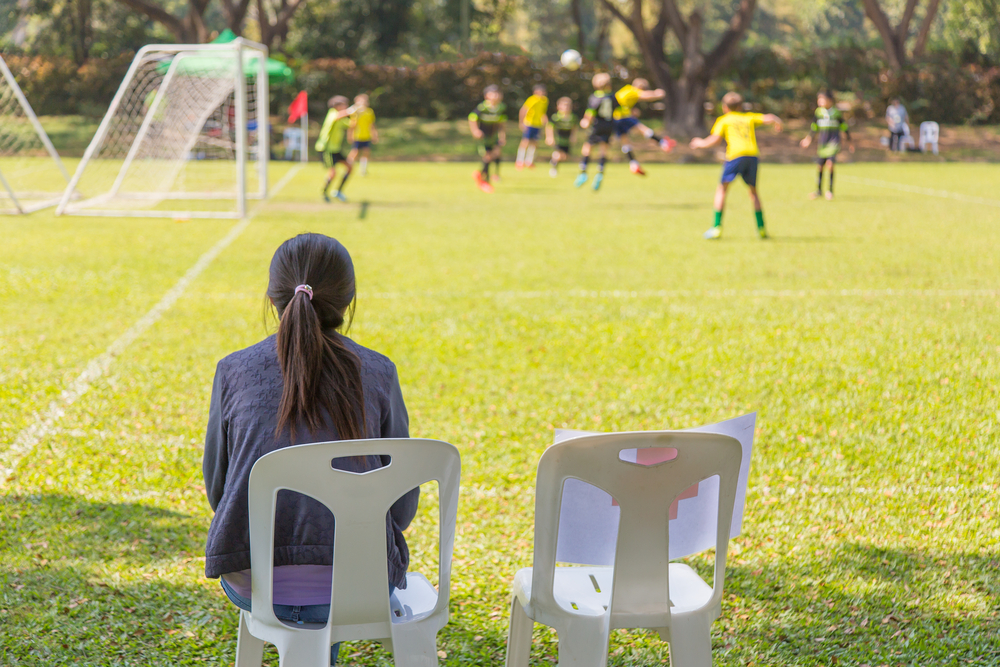
Australian schools take pride in their sporting culture, with students actively participating in everything from athletics carnivals to weekend football matches. To support this culture, investing in sporting shelters has become increasingly important. These shelters provide comfort, safety, and a sense of identity for students, staff, and visiting teams. Alongside essentials like school seating for sports teams and durable outdoor facilities, shelters play a vital role in ensuring schools can offer functional, inclusive, and well-designed sporting environments. Even considerations like nearby park furniture in Melbourne highlight how the right infrastructure enhances the student experience.
Why Schools Should Invest in Sporting Shelters
Sporting shelters aren’t just about providing shade from the Australian sun (though that’s certainly critical). They also:
- Protect from the elements: Students and staff can comfortably continue their activities even in harsh weather conditions like rain or intense heat.
- Boost participation and morale: Having a designated shelter fosters pride and comfort for teams, encouraging more students to participate in school sports.
- Offer a professional edge: Well-designed shelters give school sporting fields a polished, organised look, aligning them more closely with community and professional facilities.
- Encourage safety and wellbeing: Shade and cover help reduce risks of heat stress, dehydration, and sun damage for students and staff.
Different Types of Sporting Shelters
One of the biggest advantages of modern school shelters is their versatility. Schools can choose from a wide variety of structures to suit their needs:
- Small modular shelters – Cost-effective and practical for smaller fields or training areas.
- Larger team shelters – Designed to accommodate whole squads, coaching staff, and equipment.
- Customisable layouts – Schools can select open or enclosed designs, with add-ons like integrated school seating for sports teams, signage, or weather-resistant panels.
- Material choices – Options include steel, aluminium, and timber, each offering unique durability and aesthetic benefits.
This flexibility means every school, from primary to high school, can find a solution that fits its sporting needs and budget.
What Schools Should Consider When Choosing a Shelter
When investing in sporting shelters, decision-makers should weigh up factors beyond cost alone. Some key considerations include:
- Durability – Schools need structures that can withstand high usage and Australian weather extremes.
- Safety – Rounded edges, non-slip flooring, and weather-resistant materials ensure student safety.
- Accessibility – Spaces should be inclusive, providing easy entry and use for students of all abilities.
- Maintenance – Low-maintenance materials reduce ongoing costs and ensure the shelters look professional year-round.
- Design integration – Aligning the shelter with other infrastructure, such as park furniture in Melbourne schools or playground areas, ensures a cohesive look across campus grounds.
Beyond Sports: Shelters as Community Assets
While designed for sport, these shelters can serve broader purposes. Schools often use them during community events, assemblies, or outdoor lessons, making them versatile assets. Larger shelters also provide shaded gathering areas for families during weekend games, further strengthening ties between schools and local communities.
The Future of Sporting Infrastructure in Schools
As Australian schools continue to prioritise sustainability and student wellbeing, shelters will evolve. We can expect to see:
- Greater use of eco-friendly materials like recycled composites.
- Shelters designed with integrated solar panels or rainwater harvesting systems.
- Multi-purpose spaces that serve as both team hubs and broader community gathering points.
These innovations highlight how sports shelters will remain central to school infrastructure planning well into the future.
Building School Pride Through Sport
Strong sporting facilities don’t just support students on the field — they build pride, safety, and resilience across school communities. By investing in high-quality sporting shelters, incorporating thoughtful school seating for sports teams, and aligning with surrounding infrastructure like park furniture in Melbourne, schools create vibrant, functional, and welcoming environments for students and their families. Sporting shelters aren’t just an accessory — they are an essential building block in shaping the next generation of Australian athletes and communities.