
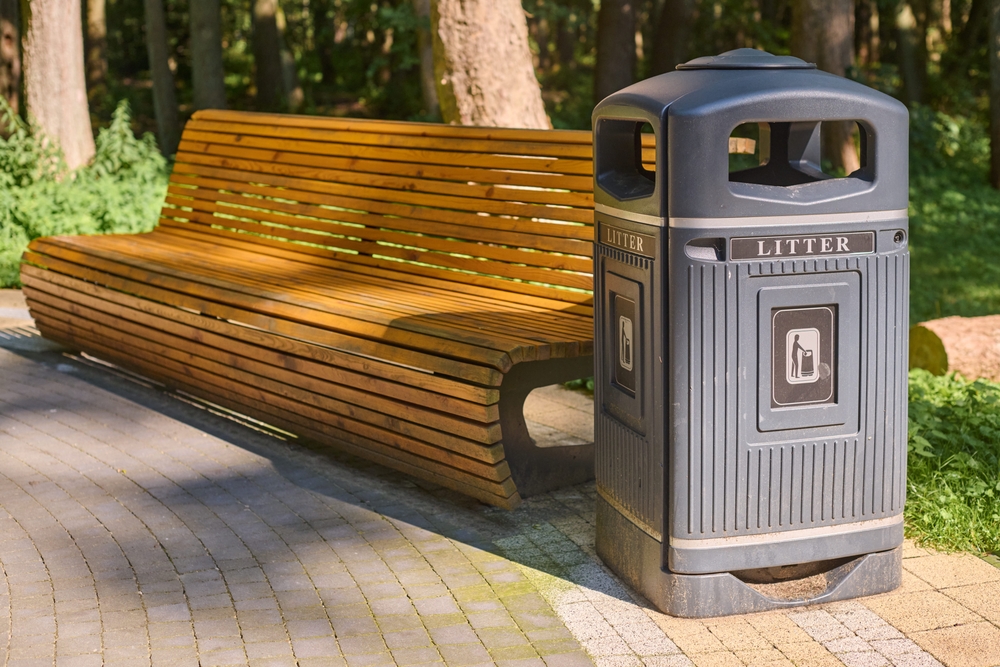
Cities across Australia are facing increasing pressure to reduce emissions and adopt sustainable infrastructure. While major initiatives often focus on buildings and transport, smaller urban elements also play an important role in reducing environmental impact. Modern park furniture, the innovation of street furniture manufacturers, and sustainable solutions like bench seating in Melbourne all contribute to greener urban environments. By investing in net-zero streetscape furniture, councils and planners can help create cities that are both functional and environmentally responsible.
What Is Net-Zero Streetscape Furniture?
Net-zero streetscape furniture refers to public infrastructure designed to have little to no carbon impact across its lifecycle. This means considering emissions produced during raw material extraction, manufacturing, transportation, installation, maintenance, and eventual replacement.
To achieve this goal, many street furniture manufacturers now focus on reducing carbon emissions during production while also selecting materials with lower environmental impact. High-quality street and park furniture designed for longevity also plays an important role in reaching net-zero goals. When infrastructure lasts longer, cities avoid frequent replacements that require additional manufacturing and transport emissions.
Even simple elements like the bench seating in Melbourne and other major hubs can be designed with sustainability in mind by using recycled materials and low-emission manufacturing processes.
Why Net-Zero Urban Furniture Matters Today
Climate change and urban population growth are placing significant pressure on cities worldwide. Governments at every level are working toward carbon reduction targets, and urban infrastructure must support these goals.
Sustainable streetscape furniture helps reduce environmental impact while maintaining the functionality of public spaces. Durable seating, shelters, and bike racks encourage outdoor activity while contributing to a lower carbon footprint.
Forward-thinking urban furniture manufacturers now design products that minimise emissions throughout their lifecycle. Many incorporate recycled materials, energy-efficient manufacturing processes, and transport-efficient designs.
In busy urban areas, even everyday installations can support sustainability initiatives when cities prioritise low-carbon infrastructure. Whether it’s the local school furniture or installations within city plazas, every piece matters.
Sustainable Materials That Support Net-Zero Goals
Material selection plays a major role in achieving net-zero outcomes. Cities increasingly favour materials that reduce environmental impact while maintaining durability.
Recycled composite materials are becoming particularly popular. These materials often combine recycled plastics and timber fibres to create strong, weather-resistant surfaces. Many street furniture manufacturers favour these composites because they require minimal maintenance and extend product lifespan.
Steel and aluminium also remain widely used due to their recyclability. When responsibly sourced and properly finished, they can form long-lasting park furniture solutions that perform well in harsh outdoor environments.
In practical applications, recycled composites and durable metals allow cities to install sustainable infrastructure that remains functional for many years without significant maintenance.
Designing Furniture That Lasts
Durability is one of the most important aspects of net-zero infrastructure. Products that withstand weather, heavy use, and vandalism reduce the need for replacements, lowering emissions associated with manufacturing and installation.
Quality streetscape furniture should be designed with structural strength and long service life in mind. Features such as reinforced frames, weather-resistant finishes, and modular components help extend lifespan.
Leading manufacturers also prioritise smart design practices. Modular furniture allows damaged components to be replaced without discarding entire units.
For example, the well-designed bench seating in Melbourne can remain durable for decades, which significantly reduces the carbon footprint associated with public infrastructure upgrades in that city.
How Australian Cities Are Responding
Australian councils increasingly prioritise sustainability in public infrastructure projects. Many local governments now include environmental requirements in their procurement policies, encouraging suppliers to provide low-carbon solutions.
Urban development strategies in major cities such as Melbourne and Sydney emphasise sustainable design and resilient infrastructure. This includes the installation of environmentally responsible furniture in parks, streets, and community spaces.
To support these goals, councils often collaborate with innovative streetscape furniture manufacturers capable of producing durable, sustainable products. Public seating, shelters, and urban infrastructure are now designed with long-term environmental performance in mind.
As sustainability standards evolve, environmentally conscious installations will likely become a standard expectation rather than an optional upgrade.
Choosing the Right Manufacturer for Net-Zero Projects
Selecting the right supplier is essential when investing in net-zero streetscape infrastructure. Cities and developers should prioritise manufacturers who demonstrate strong environmental commitments and transparent production processes.
Experienced manufacturers typically provide detailed information about materials, recycling capabilities, and product lifespan. They may also offer custom designs that optimise durability and reduce waste during manufacturing.
Developers should also consider suppliers who design adaptable furniture solutions. Modular systems and repairable components reduce long-term environmental impact and maintenance costs.
When selecting seating solutions, councils should look for manufacturers who balance sustainability with comfort, safety, and durability.
Building Greener Cities Through Smarter Design
Urban sustainability depends on thousands of small decisions across a city’s infrastructure. While major projects often receive the most attention, everyday elements like seating, shelters, and bollards also influence environmental outcomes.
By prioritising sustainable park furniture, partnering with responsible street furniture manufacturers, and investing in durable bench seating in Melbourne and other hubs, cities can significantly reduce the carbon footprint of their public spaces. Net-zero streetscape furniture represents a practical step toward greener, more resilient urban environments that support both people and the planet.