
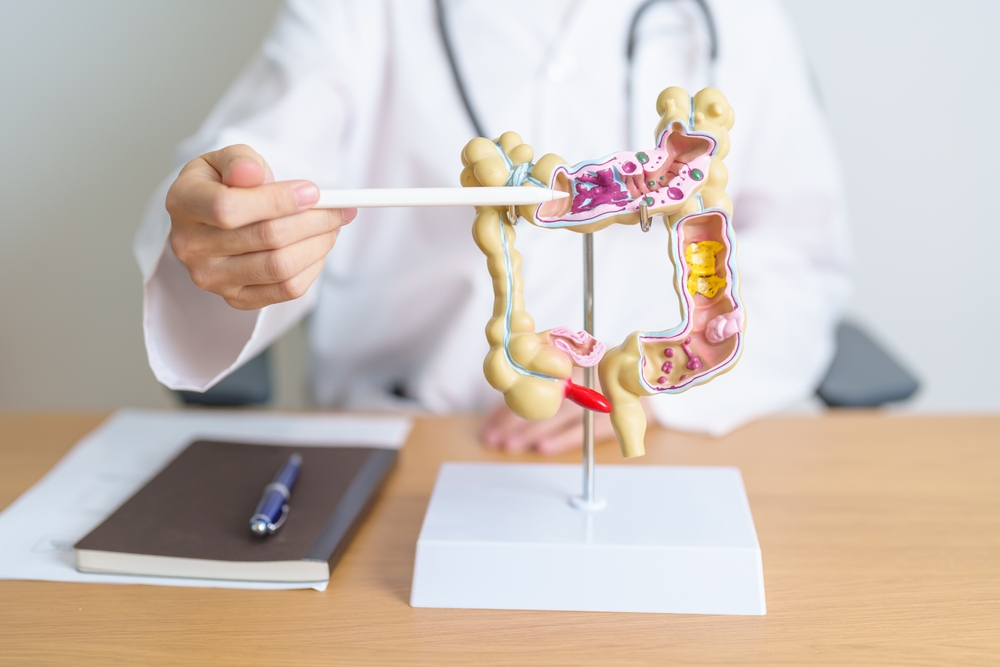
It’s remarkably easy to overlook mild abdominal discomfort until it suddenly demands your full attention! Diverticulosis is surprisingly common across Australia, affecting around one in three adults over the age of 45. For most people, those tiny pouches in the wall of the colon stay completely quiet. However, when one becomes inflamed or infected, you’re dealing with diverticulitis. Getting guidance from a colorectal surgeon in Melbourne ensures you receive the right care at the right time. In severe cases, procedures like bowel obstruction surgery might be needed to resolve a sudden blockage, though many patients benefit from modern, minimally invasive colorectal surgery to restore their health.
Most first-time flare-ups are uncomplicated and manageable at home with a few days of rest, light fluids, and guidance from a local doctor. But sometimes, a routine episode takes a sharper turn. Knowing when a flare-up moves from uncomfortable to urgent helps you get timely care from a specialist colorectal surgeon before more severe complications arise.
The Spectrum of Uncomplicated Flare-Ups
Uncomplicated diverticulitis generally stays localised to a small section of the bowel wall. You’ll typically feel a persistent ache in the lower left side of your abdomen, accompanied by mild fever, nausea, or a subtle change in bowel habits.
When managing a mild episode under medical supervision, symptoms usually ease within 48 to 72 hours. During this window, your body focuses on calming the localised inflammation. However, if that dull ache rapidly transforms into sharp, constant pain, your body is signalling that the inflammation is spreading beyond the initial pouch.
Red Flag Symptoms That Demand Immediate Care
So, how do you know when it’s time to head straight to the emergency department? Complicated diverticulitis occurs when the infection spreads or creates structural issues within the colon.
You should get immediate medical evaluation if you notice any of these warning signs:
- High Fever and Chills: A spiking temperature that doesn’t drop with standard pain relief often indicates a progressing infection or an abscess.
- Severe, Unbearable Pain: If your stomach becomes rigid, hard, or extremely sensitive to the lightest touch, this can be a sign of peritonitis, which is a medical emergency.
- Persistent Vomiting and Inability to Keep Liquids Down: Being unable to stay hydrated accelerates weakness and prevents oral medications from working.
- Inability to Pass Gas or Stool: Swollen, inflamed bowel tissue can narrow the passage, leading to a sudden backup.
- Visible Rectal Bleeding: While mild spotting can occur, passing significant amounts of dark or bright red blood requires urgent attention.
Understanding Complications: Abscesses, Perforations, and Blockages
When diverticulitis becomes a medical emergency, it usually involves one of three major structural complications:
An abscess is a localised pocket of pus that forms near the inflamed pouch. Small abscesses sometimes respond to antibiotics, but larger ones often require specialised drainage to clear the infection safely.
A perforation happens when severe inflammation causes a tiny tear in the bowel wall. This allows bacteria to leak into the abdominal cavity, triggering acute peritonitis. This scenario requires immediate intervention to clean the area and repair the tissue.
In other cases, chronic inflammation or intense swelling causes the colon passage to close up. When severe swelling prevents anything from moving through the digestive tract, an emergency procedure such as bowel obstruction surgery becomes necessary to relieve the pressure and clear the blockage.
Surgical Solutions and Path to Recovery
If a complicated flare-up doesn’t respond to conservative medical care, surgical intervention steps in to protect your health. Fortunately, modern techniques have transformed how surgical teams address these issues, even in some cases where bowel obstruction surgery is needed.
In non-emergent settings, or once an acute infection calms down, keyhole approaches allow surgeons to remove the affected segment of the colon through tiny incisions. Choosing minimally invasive colorectal surgery means shorter hospital stays, less post-operative discomfort, and a smoother return to your daily routine compared to traditional open procedures.
Consulting a Colorectal Surgeon in Melbourne for Optimal Digestive Health
Listening to your body is the most effective way to stay ahead of diverticular complications and get accurate insight into your bowel health. While mild attacks often resolve smoothly, recognising severe symptoms ensures you get help exactly when it counts. If you’ve experienced recurrent flare-ups or want a clear, proactive management plan, reaching out to a colorectal surgeon in Melbourne provides peace of mind. Specialist evaluation can help determine whether tailored dietary changes, ongoing surveillance, minimally invasive colorectal surgery, or bowel obstruction surgery is the right path forward for you. Remember, you don’t have to navigate digestive health alone, and timely medical advice keeps your recovery right on track.