
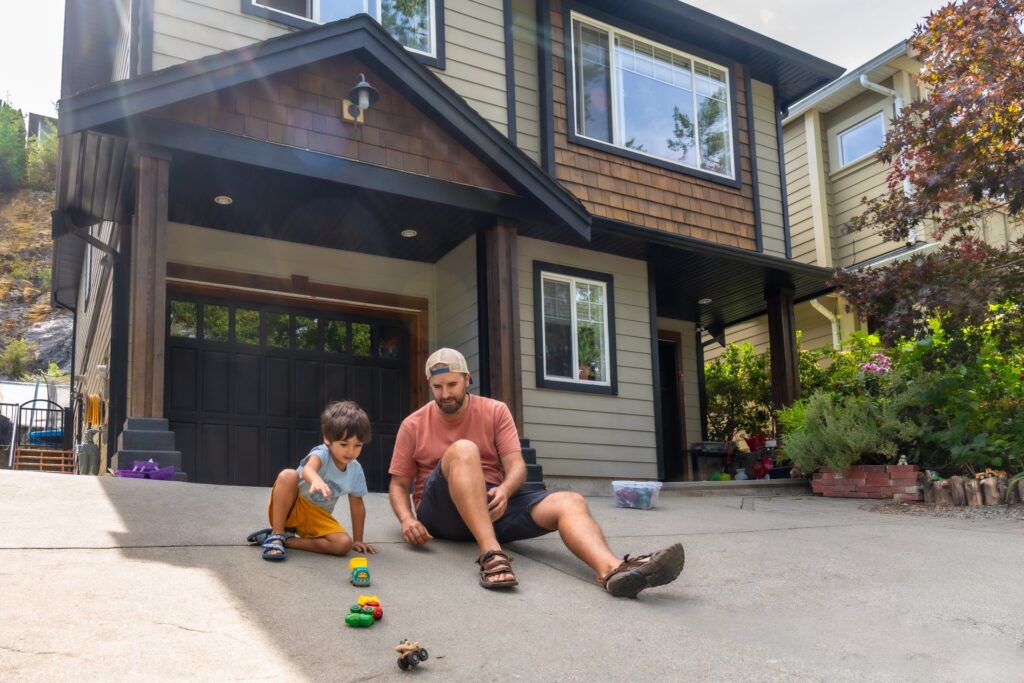
Walk through two different suburbs and the contrast can be immediate. One feels easy, calm, connected. The other feels fragmented or inconvenient, even if the homes look similar. Liveability is not about a single feature. It comes from how dozens of small factors come together in everyday life.
People often talk about schools, house prices, or commute times. Those matter. But what really shapes a suburb is how it supports daily routines, relationships, and a sense of belonging. When those pieces align, a suburb feels like somewhere you can stay, not just somewhere you pass through.
The role of design and everyday convenience
Urban planners often refer to the idea of the “15-minute neighbourhood”. The concept is simple. You should be able to reach most of what you need within a short walk or drive. Groceries, parks, schools, cafés, healthcare. When this works well, people spend less time travelling and more time living.
Research from the OECD and UN-Habitat shows that access to local services directly impacts wellbeing, particularly for families and older residents. Long commutes tend to increase stress and reduce time spent on exercise, socialising, and rest.
Suburbs that prioritise walkability and mixed-use spaces tend to feel more liveable. Streets with footpaths, trees, lighting, and active shopfronts encourage people to get outside. This creates natural interaction, which builds familiarity and trust over time. It aligns with the idea of slowing down and engaging with your surroundings, similar to the concept of taking moments to pause within your streetscape, where design influences how people move and connect.
Community connection shapes how a suburb feels
You can have beautiful homes and still feel disconnected if there is no sense of community. Liveable suburbs tend to create opportunities for people to interact without forcing it.
Parks, local cafés, sports clubs, and community events all play a role. They act as what sociologists call “third spaces”, places outside home and work where relationships form naturally. The renewed interest in local activities as shared social spaces highlights how important these environments are for mental wellbeing.
Community sport is a strong example. Suburbs with active sporting clubs often feel more connected. People see the same faces, support each other, and build routines around shared activity. There is solid evidence linking participation in local sport to improved mental health outcomes, which you can see in discussions around the mental health benefits of community sport for adults.
Even informal spaces matter. A well-used playground, a walking trail, or a busy weekend market can do more for liveability than large-scale infrastructure.
Green space and access to the outdoors
Green space consistently ranks as one of the top drivers of liveability. Studies from the World Health Organization show that access to parks and natural environments improves physical health, reduces stress, and supports cognitive function in both children and adults.
Suburbs that integrate green spaces well tend to attract families and active residents. These areas often include walking tracks, playgrounds, and open fields. The quality of these spaces matters just as much as their presence. Features such as shaded seating, safe pathways, and thoughtful design encourage people to stay longer. This ties closely to how well-designed park furniture supports outdoor play and community use.
Access to outdoor activity also shapes lifestyle choices. Suburbs near running tracks, coastal areas, or national parks often appeal to people who prioritise movement and time outdoors. You see this in areas known for fitness-friendly environments, such as those highlighted in running routes designed for all levels across Brisbane.
There is also a growing awareness of how regular time in nature supports long-term health. The idea behind spending structured time outdoors each week for physical and mental benefits reflects a broader shift in how people choose where to live.
Different suburbs suit different lifestyles
There is no single definition of a liveable suburb. What works for a young professional may not work for a family with three children or someone approaching retirement.
Family-focused suburbs
Families often prioritise safety, space, and access to education. Suburbs with good schools, parks, and low traffic tend to feel more liveable for this group. Quiet streets, community events, and reliable healthcare services also play a role.
There is also a shift in how parents balance work and family life. Many are rethinking long commutes and placing more value on time at home. This aligns with the trend of parents reducing work-based social time to prioritise childcare and family routines.
Commuter-friendly suburbs
For commuters, liveability often comes down to access and efficiency. Proximity to train lines, major roads, and employment hubs becomes a key factor. Suburbs with strong transport links can feel more liveable even if they are further from city centres.
However, there is a tipping point. If commuting takes too long, it starts to erode quality of life. This is why suburbs that balance accessibility with local amenities tend to perform better.
Urban lifestyle suburbs
Inner-city suburbs appeal to people who want convenience, culture, and energy. Restaurants, cafés, nightlife, and creative spaces contribute to a strong sense of place. Areas with vibrant food scenes or cultural hubs often attract younger residents and professionals.
You can see this in places known for dining and entertainment, similar to those featured in some of Brisbane’s most popular restaurant precincts, or in creative hubs like community-driven arts spaces that bring people together through shared experiences.
These suburbs often trade space for accessibility. Smaller homes or apartments are offset by the ability to walk to everything.
Lifestyle and hobby-driven suburbs
Some suburbs become known for specific interests. Coastal areas attract surfers. Inner-city zones with climbing gyms or music stores draw niche communities. These lifestyle factors create identity and influence who chooses to live there.
For example, suburbs with access to unique recreational options, such as bouldering gyms in Melbourne or local go-karting tracks for weekend activities, tend to attract people who value those experiences as part of daily life.
Local business ecosystems matter more than people think
A suburb’s small business scene plays a major role in how it feels. Independent cafés, retailers, and service providers create character. They also make daily life easier.
Supporting local businesses strengthens the community. It keeps money circulating within the area and helps build relationships between residents and business owners. This is why many thriving suburbs also show strong small business activity, similar to findings around Australia’s most entrepreneurial neighbourhoods and how they grow.
There is also a branding effect. When people engage with local suppliers and services, it reinforces a shared identity. This reflects the idea that supporting local suppliers strengthens both business and community stories.
Suburbs with strong local economies tend to be more resilient. They adapt better to changes and continue to attract new residents.
Safety, infrastructure, and long-term planning
Liveability depends on feeling safe and supported. This includes both physical safety and the reliability of infrastructure.
Well-lit streets, maintained public spaces, and accessible healthcare all contribute to a sense of security. Schools, childcare centres, and public transport systems need to function consistently.
Local councils play a large role here. Suburbs that invest in infrastructure, maintain public assets, and plan for growth tend to hold their appeal over time.
There is also a psychological aspect. When people see that a suburb is cared for, they are more likely to take pride in it themselves.
How liveability influences property value
Liveability and property value are closely linked. Suburbs that offer convenience, community, and lifestyle tend to see stronger demand. This drives prices up over time.
However, it is not just about current appeal. Buyers also consider future potential. Areas with planned infrastructure, growing business activity, and improving amenities often attract investors.
There is also a connection between lifestyle trends and property decisions. For example, ongoing conversations around whether to prioritise property investment or superannuation for long-term wealth reflect how housing choices fit into broader financial planning.
Interest rates, economic conditions, and investment trends all influence property markets. Insights from current investment themes shaping portfolio strategies in 2026 show that property remains a key consideration, especially in areas with strong fundamentals.
Importantly, liveability creates stability. People are less likely to leave suburbs that meet their needs. This reduces turnover and supports long-term value growth.
The subtle factors people often overlook
Some of the most important elements of liveability are easy to miss at first glance.
Noise levels can affect sleep and stress. Street layout influences how safe people feel walking at night. Access to sunlight, tree coverage, and even the quality of local coffee can shape daily experience.
Food culture plays a role too. Suburbs known for standout cafés or dining experiences often develop a reputation that attracts visitors and new residents. This is evident in places celebrated for having world-class coffee experiences that draw both locals and tourists.
Events and seasonal activities also contribute. Food festivals, markets, and cultural events bring energy and variety, much like unique experiences found at major food and wine festivals across Australia.
Even smaller details, like how easy it is to meet friends or maintain social connections, can influence how people feel about where they live. Research continues to show that strong social ties are one of the most reliable predictors of wellbeing, echoing the importance of friendships as a key factor in long-term health for women and communities more broadly.
Liveability is about fit, not perfection
No suburb offers everything. The ones that feel most liveable are those that align with how people want to live.
For some, that means space, quiet, and access to nature. For others, it means energy, culture, and convenience. The key is how well a suburb supports daily routines without friction.
When you look closely, liveability comes down to a simple question. Does this place make life easier, healthier, and more connected?
Suburbs that answer yes tend to hold their value, attract diverse communities, and continue to improve over time.
Find Your Kind of Liveable
The right suburb comes down to how you want to live, not just where you want to be. If you are exploring local areas, Suburb Local helps you uncover what makes each neighbourhood tick, and you can even list your own small business online for free. For lifestyle ideas, hobbies, and ways to get more out of your surroundings, Man Manual offers practical inspiration. Small But Mighty gives insight into the local business ecosystems shaping communities, while Not Mum Today explores the everyday realities of modern life, family, and connection. Together, they give you a clearer picture of what liveability really looks like.