
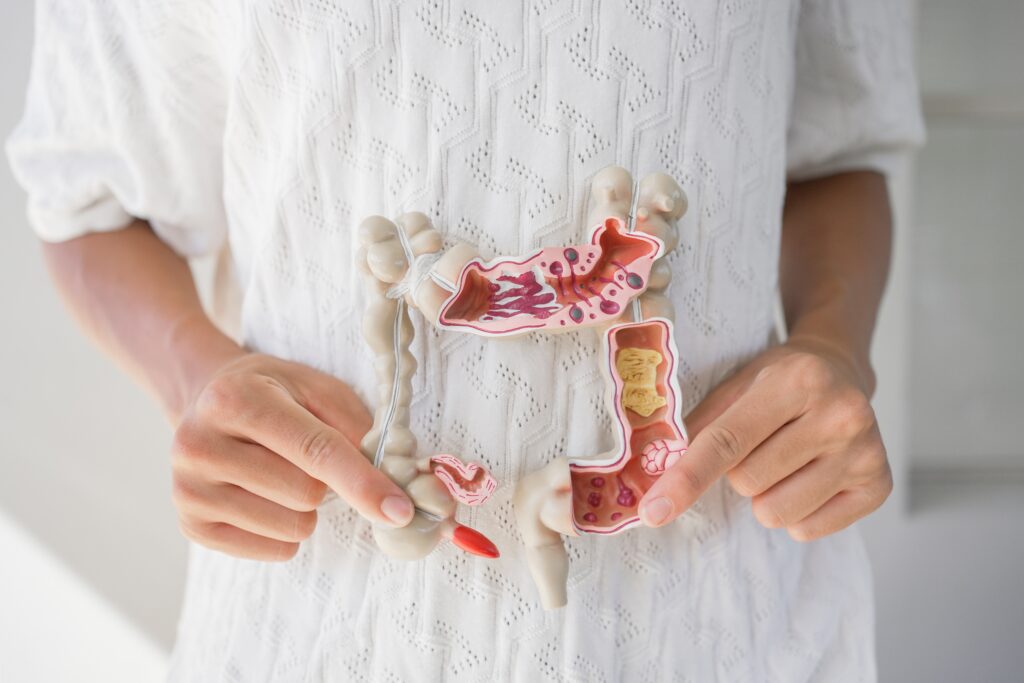
Bowel cancer was once widely considered a disease that only affected older generations. Today, the reality in Australian hospitals tells a completely different story. Clinicians across the country are witnessing an alarming shift, particularly in Victoria, where cases of colorectal cancer under 50 have surged by 65% since 2005. This worrying trend has made bowel cancer the leading cause of cancer-related death for young Victorians aged 25 to 49. When a young adult presents with changes in bowel habits, abdominal pain, or unexplained bleeding, the standard diagnostic pathway often involves consulting a colorectal surgeon. For peace of mind and definitive answers, booking a colonoscopy in Melbourne has become an increasingly critical step for younger patients experiencing these persistent symptoms. As any colorectal surgeon in Melbourne will work to manage this influx, researchers are concurrently searching for the root cause of this spike.
Landmark research from the University of Melbourne has recently uncovered a compelling piece of the puzzle, pointing directly to our gut microbiome.
The Gut Bacteria “Smoking Gun”
Led by Associate Professor Daniel Buchanan at the University of Melbourne Centre for Cancer Research, scientists have identified a specific variant of Escherichia coli bacteria in the human digestive tract. This particular bacterial strain produces a dangerous genotoxin known as colibactin. The University of Melbourne team discovered that colibactin gut bacteria act as a biological disruptor, bonding with both strands of human DNA inside the colon to create a severe type of damage known as an inter-strand cross-link.
This cross-link physically locks the DNA strands together, preventing the cell from replicating correctly. When the body attempts to repair this structural damage, it often introduces flaws, leaving behind a distinct mutation pattern or a genetic footprint. This biological scar is highly specific to colibactin exposure and is rarely caused by standard aging or general lifestyle factors.
What makes this discovery profound is its disproportionate presence in younger generations. Global genomic analyses, which include vital data from Australian registries, indicate that these colibactin-induced mutations are over three times more common in adults under the age of 40 compared to patients over 70.
Tracking the Timeline to Childhood
The molecular timing of these mutations suggests that exposure to colibactin gut bacteria likely occurs very early in life, often during the first ten years of childhood. Because colibactin-producing E. coli can colonise the gut without causing any immediate symptoms of illness, it can silently trigger genetic alterations decades before a tumour forms.
If a child develops a critical driver mutation at age ten due to bacterial toxins, the timeline for potential cancer development accelerates significantly. This can place an individual decades ahead of schedule, resulting in a diagnosis at age 35 or 40 instead of 65.
While the presence of the bacteria does not guarantee that cancer will develop, it alters the risk profile. Researchers believe that the modern Western lifestyle, specifically diets high in refined sugars and heavily processed meats, creates an environment where these toxin-producing bacteria can thrive. This dietary shift helps explain why older generations, who grew up with different dietary baselines, show lower rates of this specific mutational signature.
Practical Steps for Early Bowel Cancer Detection
As science progresses toward a preventative treatment, such as targeted probiotics to eliminate these specific bacterial strains, the most effective tool remains early intervention. Younger adults are not currently included in the automatic National Bowel Cancer Screening Program, which sends home test kits to Australians starting at age 45. The other alternative is genetic testing, which can be expensive. Consequently, young people must rely on symptom awareness and medical advocacy.
If you experience blood in your stool, persistent changes in your bowel habits, unexplained weight loss, or chronic abdominal discomfort, it is vital not to dismiss these signs as simple irritable bowel syndrome or haemorrhoids. They could be early signs of colorectal cancer. Discussing these symptoms with your local doctor can lead to a formal referral to a specialist colorectal surgeon in Melbourne.
Reassessing Gut Health and Getting a Colonoscopy in Melbourne
The rising incidence of colorectal cancer under 50 highlights the importance of proactive healthcare. While the groundbreaking research into colibactin gut bacteria from the University of Melbourne provides a clearer understanding of the disease, awareness and timely investigation remain paramount.
If you have a family history of gastrointestinal issues or are experiencing ongoing symptoms, reaching out to a colorectal surgeon can provide you with clear guidance. For comprehensive diagnostic evaluation, booking a colonoscopy in Melbourne allows specialists to detect and remove precancerous polyps long before they escalate into a serious health concern. Prioritising your digestive health today is a crucial step toward long-term wellness, and consulting a dedicated colorectal surgeon in Melbourne ensures you receive early medical care.