
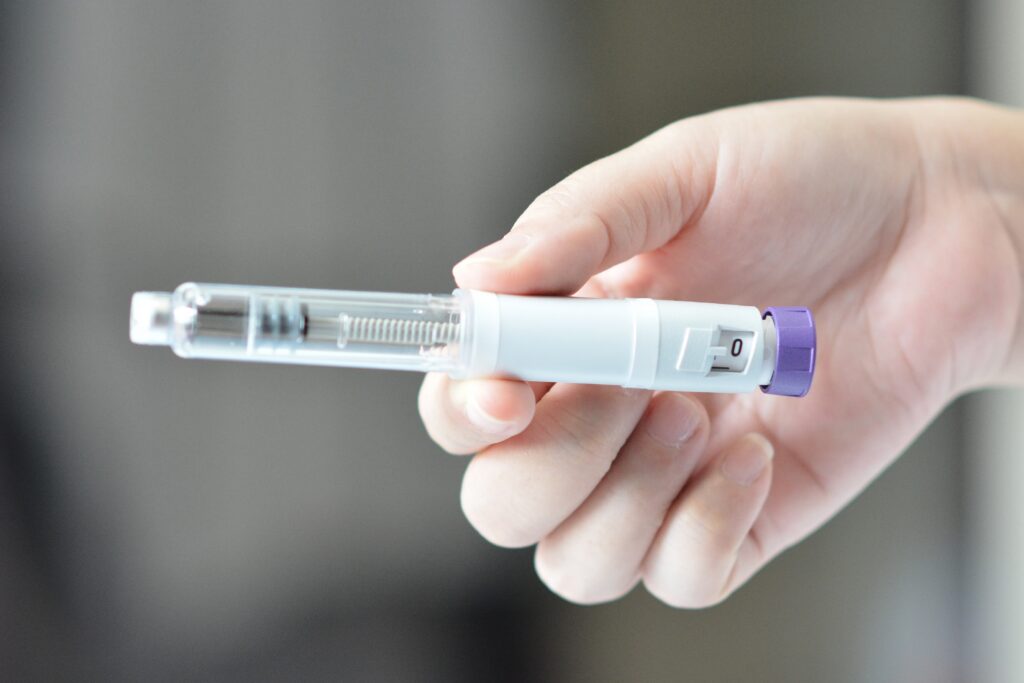
Starting GLP-1 medications can feel like a massive turning point for your health! Medications like semaglutide and tirzepatide actively change how your body handles fullness and blood sugar. Naturally, your daily eating habits need to shift to match these internal changes. Knowing exactly what to put on your plate makes a huge difference to your overall results and daily comfort. Working alongside a bariatric dietitian ensures you get accurate advice tailored to your specific physical needs. These dietitian services help you navigate the most common dietary challenges smoothly and help you develop a custom nutrition plan that nourishes your body on this journey.
Prioritise High-Quality Protein Every Day
Your appetite will drop significantly when you start GLP-1 therapies. You will naturally begin to eat much smaller portions. Because of this, every single bite needs to count towards your daily nutritional targets. Protein absolutely must become the star of your meals.
International clinical trials show that rapid weight loss often leads to a loss of valuable muscle mass if protein intake falls short. You should aim to include a solid protein source at every main meal and snack. Try incorporating eggs, Greek yoghurt, lean poultry, tofu, or fish into your routine. Protecting your bone density and lean muscle mass keeps your metabolism healthy and gives you the physical strength you need for daily life.
Manage Nausea with Smaller, Frequent Meals
Many Australians experience mild to moderate nausea during the early weeks of their treatment. The Therapeutic Goods Administration frequently notes gastrointestinal changes as a primary side effect of these medications. Eating large, heavy meals can easily make this discomfort worse. Instead, switch your routine to eating four to six small meals throughout the day. You must listen to your body and stop eating the exact moment you feel comfortably satisfied.
A qualified bariatric dietitian can help you structure these smaller meals effectively, so you do not miss out on vital nutrients. Through accessible dietitian services, you learn which specific foods sit well in your stomach and which ingredients trigger unwanted discomfort. Building a custom nutrition plan takes the constant guesswork out of mealtime and keeps nausea at bay.
Hydration and Fibre Keep Digestion Moving
GLP-1 medications inherently slow down your digestion process. This slowing effect helps you feel full for longer periods, but it can also lead to frustrating constipation, so drinking plenty of fresh water becomes essential for your daily comfort. You should aim for at least two to three litres of fluid daily, adjusting for your activity levels and the weather.
It’s also important to match your hydration with a steady, consistent intake of dietary fibre. Slowly increase your daily fibre through leafy vegetables, fresh fruits, and whole grains. This helps improve gut health and physical comfort during medical weight management programmes and even lowers inflammation and risks of diseases like colon cancer.
Focus on Nutrient Density Over Calorie Counting
Counting calories often takes a back seat when you literally cannot comfortably eat large volumes of food. Nutrient density immediately becomes your primary focus for meal planning. You should fill your smaller plate with vibrant vegetables, healthy fats like avocado or extra virgin olive oil, and complex carbohydrates.
Highly processed foods often lack the essential vitamins your body desperately craves during periods of significant weight loss. Choosing whole, unprocessed foods ensures your body gets the vital vitamins and minerals necessary to thrive. This approach prevents fatigue and supports your immune system as your body composition changes.
Maximising Your Results with a Bariatric Dietitian and a Custom Nutrition Plan
Taking a GLP-1 medication provides an incredible tool for weight management, but the real magic happens when you pair the medication with smart food choices. Finding the perfect dietary balance on your own can feel overwhelming, so investing in professional dietitian services can be absolutely worth it.
Reaching out to a bariatric dietitian provides you with expert guidance, accountability, and emotional support. Modern dietitian services offer both in-person and flexible online consultations to fit your busy lifestyle perfectly. Investing your time in a custom nutrition plan sets you up for sustainable, long-term success rather than a quick fix. You deserve to feel your absolute best on this journey, and professional nutritional support makes all the difference.