
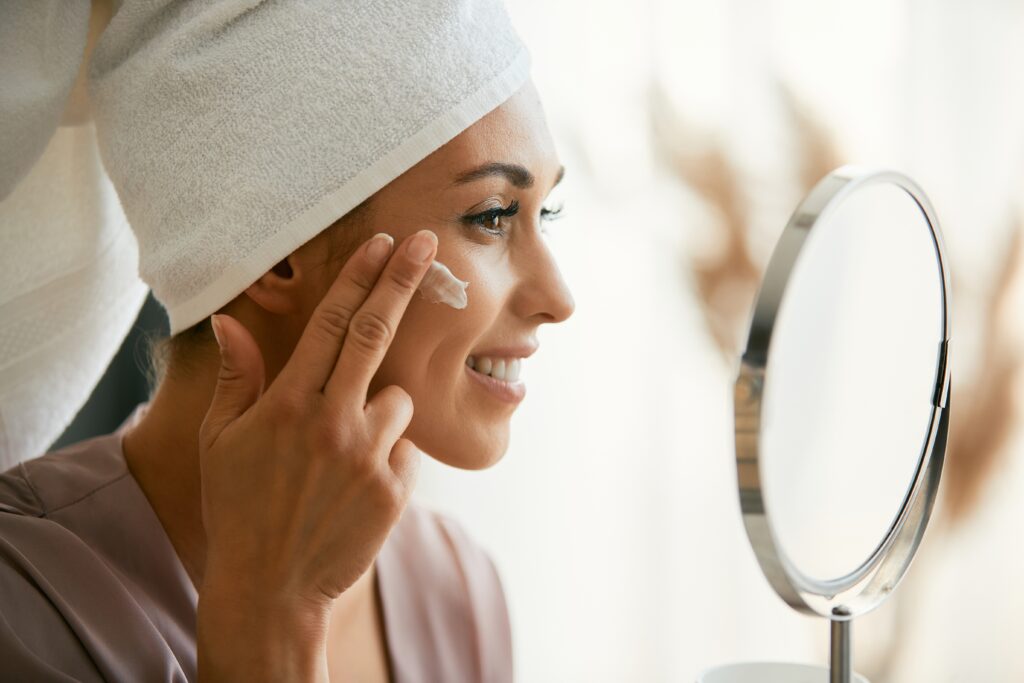
Collagen is the scaffolding that helps keep your skin firm, smooth and resilient. Unfortunately, your body doesn’t keep producing it at the same rate forever. As you age, collagen production gradually declines, while UV exposure and other lifestyle factors can speed up its breakdown. The good news? You can take practical steps to protect what you’ve got and support your skin’s natural production. From a retinal night cream and a vitamin C serum in Australia to evidence-based active skincare products and some healthy habits, your daily routine can play a genuine role in keeping your skin looking healthier for longer.
Let’s talk about what collagen does and how to stop it from disappearing faster than your motivation to exercise this winter.
What Is Collagen Exactly?
Collagen is the most abundant protein in the human body. It provides structure and strength to your skin, bones, muscles, tendons and connective tissues.
Think of it as the internal framework that helps keep your skin firm and plump.
When you’re younger, your body produces collagen efficiently. This helps your skin maintain its elasticity and bounce. As you age, however, production slows and existing collagen breaks down more quickly.
The result? Fine lines, wrinkles, sagging and a gradual loss of firmness.
When Does Collagen Start to Decline?
Collagen production begins to decline naturally from around your mid-twenties. That doesn’t mean you’ll wake up on your 25th birthday with a face full of wrinkles, thankfully.
The changes happen gradually from around that age.
Hormonal shifts can accelerate collagen loss, particularly during menopause. Genetics also play a role, so some people naturally maintain firmer skin for longer than others.
However, ageing isn’t the only factor.
UV Rays Are Collagen’s Worst Enemy
If collagen had an arch-nemesis, UV radiation would be a strong contender.
Ultraviolet radiation generates free radicals and activates enzymes called matrix metalloproteinases (MMPs), which can break down collagen and interfere with the skin’s ability to produce new collagen effectively.
This is one reason sun protection matters so much in Australia.
Using a broad-spectrum SPF every day is arguably the most important thing you can do to protect your collagen. A vitamin C serum in Australia can also provide antioxidant support against environmental oxidative stress, although it should complement and not replace your sunscreen.
Lifestyle Habits That Can Speed Up Collagen Loss
Your skincare routine isn’t the whole story.
Smoking
Smoking reduces blood flow to the skin and exposes your body to chemicals that can increase oxidative stress. It also damages collagen and elastin, contributing to premature wrinkles.
Excessive Sugar
A diet consistently high in added sugars may contribute to glycation, a process where sugar molecules bind to proteins such as collagen. This can make collagen fibres less flexible and more vulnerable to damage.
You don’t need to ban birthday cake forever. Just don’t make it a food group.
Poor Sleep and Chronic Stress
Long-term stress can affect the skin in several ways, while poor sleep may interfere with the body’s normal repair processes.
A balanced diet, regular exercise, adequate sleep and stress management all support healthier skin.
Which Skincare Ingredients Actually Help?
Here’s where active skincare products can earn their place.
Retinoids
Retinoids, including retinal and retinol, have some of the strongest evidence for improving signs of photoageing. They can support collagen production and help improve the appearance of fine lines and uneven texture.
A well-formulated retinal night cream can be a practical addition to an evening routine, but introduce it gradually to minimise irritation.
Vitamin C
Vitamin C plays an important role in collagen synthesis and also acts as an antioxidant.
A quality vitamin C serum in Australia can help support your skin’s defence against environmental stress while complementing your daily SPF and moisturiser.
Peptides
Peptides are short chains of amino acids that can feature in formulations designed to support the appearance and function of ageing skin. The evidence varies between different peptide types, so don’t believe every dramatic claim printed on a bottle.
What About Collagen Supplements?
Collagen supplements have become incredibly popular, and some research suggests that oral hydrolysed collagen peptides may improve skin hydration and elasticity in some people.
However, the evidence isn’t definitive, and supplements shouldn’t replace proven basics such as sun protection, a balanced diet and effective skincare.
Your body also breaks dietary collagen down into amino acids during digestion, so your overall protein intake matters too.
In short: collagen supplements may offer benefits, but they’re not a magic potion, and you certainly don’t need them to have healthy skin.
Frequently Asked Questions
Can skincare products replace lost collagen?
No product can magically replace the collagen you’ve lost. However, certain ingredients can support collagen production and improve the appearance of ageing skin.
Is SPF really that important for collagen?
Absolutely. Daily broad-spectrum sunscreen helps reduce UV damage, one of the biggest preventable contributors to premature collagen breakdown. Daily SPF is especially important here in Australia.
How often should I use retinoids?
Start slowly. Using a retinoid a few nights per week allows your skin to adjust before gradually increasing frequency as tolerated. Retinol products are generally gentler but less effective than something like a retinal night cream, which is far more potent and clinically studied. Introduce the latter more gradually.
Are expensive collagen creams worth it?
Not necessarily. Look for well-formulated active skincare products with evidence-backed ingredients and clinical research rather than relying on a high price tag or clever marketing.
Protect the Collagen You’ve Got
You can’t stop ageing. But you can take better care of your skin as you get older.
Using proven collagen-supporting products like a retinal night cream, a quality vitamin C serum in Australia, daily sunscreen, and carefully selected active skincare products can all form part of a simple, science-backed approach to maintaining healthier-looking skin. Add a balanced diet, don’t smoke, get enough sleep and protect yourself from Australia’s relentless UV rays, and you’ll give yourself the best shot at maintaining healthy collagen levels.