Trees might be one of the most recognisable features of a healthy urban environment, but getting a young tree safely established in a busy city is no small task. From pedestrians and cyclists to vehicles, pets and maintenance equipment, urban trees face plenty of hazards. Leading Australian urban furniture suppliers can help address these challenges through practical infrastructure such as tree guards, which protect young plantings while they become established alongside other public space furniture and park furniture.
Why Do Tree Guards Matter?
A newly planted tree is vulnerable. Its trunk and developing branches can suffer damage from accidental impacts, bicycles, vehicles, lawn equipment and even foot traffic around the planting zone.
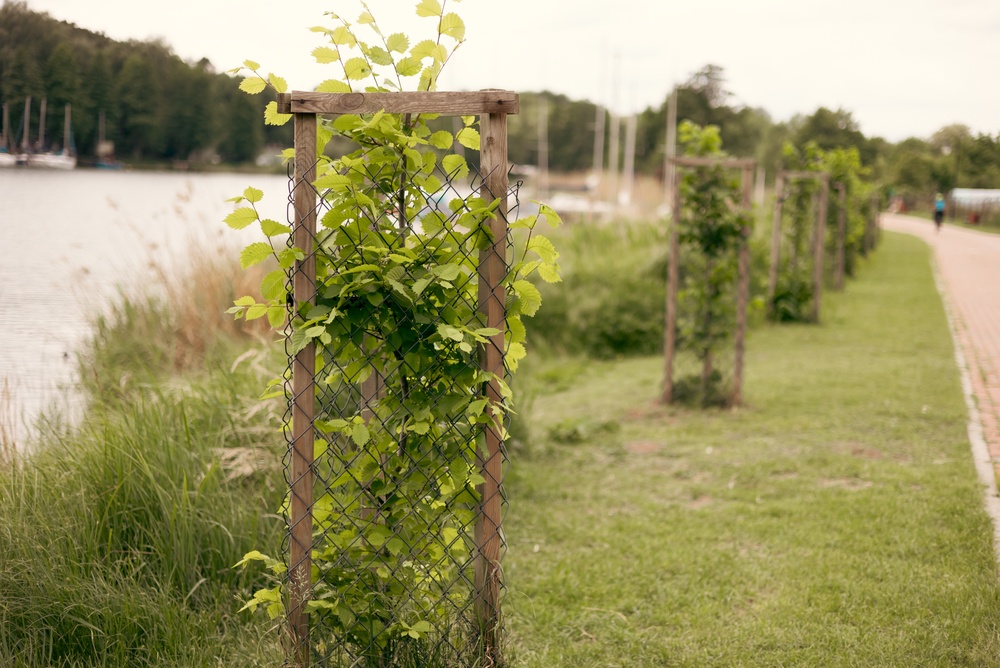
A tree guard creates a physical barrier between the young tree and its surroundings. This simple intervention can make a major difference during the establishment period, when a damaged or repeatedly disturbed tree may struggle to develop into a healthy mature specimen.
That matters because urban trees provide benefits that extend far beyond appearance. Tree canopy can provide shade, help reduce urban heat, support biodiversity and contribute to healthier, more comfortable neighbourhoods. NSW Government urban greening programs, for example, identify increased tree canopy and diverse planting as important tools for creating cooler, more resilient communities.
Protecting Australia’s Native Plants
Tree guards become particularly valuable when councils and developers introduce native or locally appropriate species into urban environments.
Australian native trees and plants can support local biodiversity and provide habitat for birds, insects and other wildlife. However, native does not automatically mean indestructible. The right species still needs suitable soil, adequate water, sufficient growing space and protection during establishment.
The City of Sydney’s current street tree strategy highlights the importance of locally indigenous species, biodiversity and habitat while also stressing the principle of selecting the “right tree for the right place”.
Tree guards form part of that broader approach. They do not replace good planting or maintenance, but they help give young trees a better chance to establish successfully.
Tree Guards Are Part of Good Urban Design
It can be tempting to think of a tree guard as a purely functional product. In reality, it forms part of the visual language of a streetscape.
Good urban design considers how individual elements work together. A tree guard should protect the planting without creating unnecessary obstacles for pedestrians, cyclists or people using mobility aids. It should also complement nearby seating, bins, bike racks and other infrastructure.
This is where experienced urban furniture suppliers can add value. Rather than treating each product as an isolated object, designers and manufacturers can consider how tree guards interact with the wider streetscape.
The result should feel intentional rather than cluttered.
Choosing the Right Materials
Material selection plays a major role in how well a tree guard performs.
Steel can provide the strength needed for high-traffic locations, while aluminium can offer corrosion resistance and a relatively lightweight construction. Powder-coated finishes can also provide additional protection while allowing councils to introduce colours that complement local streetscape palettes.
Recycled composites may offer another option where sustainability forms part of the project’s priorities.
The best choice depends on the location, expected impacts, maintenance requirements and the appearance the project aims to achieve. A busy CBD requires different considerations from a quiet suburban reserve.
Tree Guards and Park Furniture Should Work Together
A successful green space needs more than trees. People also need places to sit, gather, eat, play and move through the environment.
That makes the relationship between tree protection and public space furniture particularly important. Seating can encourage people to spend more time beneath established trees, while paths, picnic settings and other amenities help turn green space into a genuinely usable community destination.
Thoughtful park furniture can complement newly planted areas without compromising the space required for trees to grow. Designers need to consider root zones, access paths, clearances and future canopy growth rather than simply fitting furniture into whatever space remains.
Why Tree Guards Often Get Overlooked
Tree guards rarely attract the attention of a spectacular sculpture, colourful playground or beautifully designed bench. That’s partly the point: good protective infrastructure should perform its job without getting in the way.
Yet overlooking tree guards during urban planning can create unnecessary problems. Damaged trees may require replacement, while poorly positioned infrastructure can create accessibility or maintenance issues.
Councils already take extensive steps to protect public trees. For example, Sydney’s street tree program includes planned planting, establishment care and ongoing maintenance, while Parramatta requires protective measures where development work could affect public trees.
Tree guards should therefore form part of the broader conversation about urban greening rather than being treated as an afterthought.
Small Structure, Long-Term Impact
A tree guard might only protect one young tree, but that tree could eventually become part of a neighbourhood’s identity. As the canopy grows, it can provide shade, habitat and a more pleasant pedestrian environment for decades.
When councils combine appropriate planting, careful maintenance and durable public space furniture, they create urban environments designed for both people and nature. Well-selected park furniture can then help communities enjoy those spaces while the landscape matures. Ultimately, urban furniture suppliers, planners and councils all have a role to play in creating greener streets and parks. Tree guards may be easy to overlook, but they provide a practical piece of the puzzle: protecting today’s young trees so tomorrow’s urban green spaces can thrive.