A great picnic area does more than provide somewhere to eat lunch. It creates a reason to stop, gather and spend time outdoors. From family weekends and school excursions to community events and casual lunches, well-designed aluminium picnic settings, commercial picnic benches and other outdoor amenities can turn an ordinary park into a destination. In Australia, where outdoor recreation and socialising are such a big part of life, thoughtful picnic-area design and durable pieces from leading park furniture manufacturers can make public spaces considerably more useful.
Start With How People Actually Use the Space
The biggest mistake in picnic-area design is starting with the furniture rather than the people.
Before deciding where to position a table, designers should consider who will use the space, how they will arrive and what they will do once they get there. Families with young children may want to sit close to playgrounds, while older visitors might prioritise quieter locations with attractive views.
Groups also need different options. A couple might only need a small setting, while a large family or community group needs enough space to sit together comfortably.
Good commercial picnic benches should therefore form part of a broader layout rather than sitting randomly across a lawn.
Shade Is Not Optional in Australia
A picnic area without shade can quickly become an empty picnic area.
Australia’s strong sun makes shelter one of the most important considerations in outdoor design. Trees can provide beautiful long-term shade, while shelters and shade structures can offer more immediate protection.
The best approach often combines both. Established trees create a natural, comfortable environment, while purpose-built structures provide reliable coverage during the years it takes new landscaping to mature.
Positioning matters, too. Designers should consider how the sun moves across the site throughout the day rather than simply placing a shelter wherever there is available space.
Think Beyond the Table
A successful picnic area needs more than somewhere to eat.
Bins should sit conveniently nearby without dominating the landscape. Drinking fountains can make longer visits easier, particularly for families and people exercising outdoors. Nearby paths should provide clear pedestrian access, while bike parking can support visitors who arrive by bicycle.
Toilets, lighting, BBQ facilities and playgrounds may also influence whether people choose to stay for 20 minutes or several hours.
This wider approach is where experienced park furniture manufacturers can contribute valuable knowledge. Furniture needs to work alongside the surrounding infrastructure and landscape rather than being considered as a collection of individual products.
Comfort and Accessibility Matter
People are more likely to use a picnic area when it feels comfortable and easy to navigate.
Table height, seat dimensions, back support and clear space around settings all affect the user experience. Accessible picnic tables can also accommodate people using wheelchairs, while sufficient circulation space allows prams and mobility aids to move through the area without creating bottlenecks.
Material choice matters as well. Aluminium picnic settings can offer a practical combination of durability, relatively low maintenance and resistance to corrosion, making them suitable for many outdoor environments.
The important thing is to provide variety. One standard furniture type rarely works equally well for every member of a community.
Design for Social Connection
Picnic areas naturally encourage people to gather, but their layout can either support or discourage interaction.
Settings positioned close enough together can create a lively communal atmosphere, particularly during busy weekends or events. At the same time, leaving sufficient space between groups gives families and individuals a sense of personal territory.
Circular or shared arrangements can encourage conversation, while longer tables can work well for larger groups.
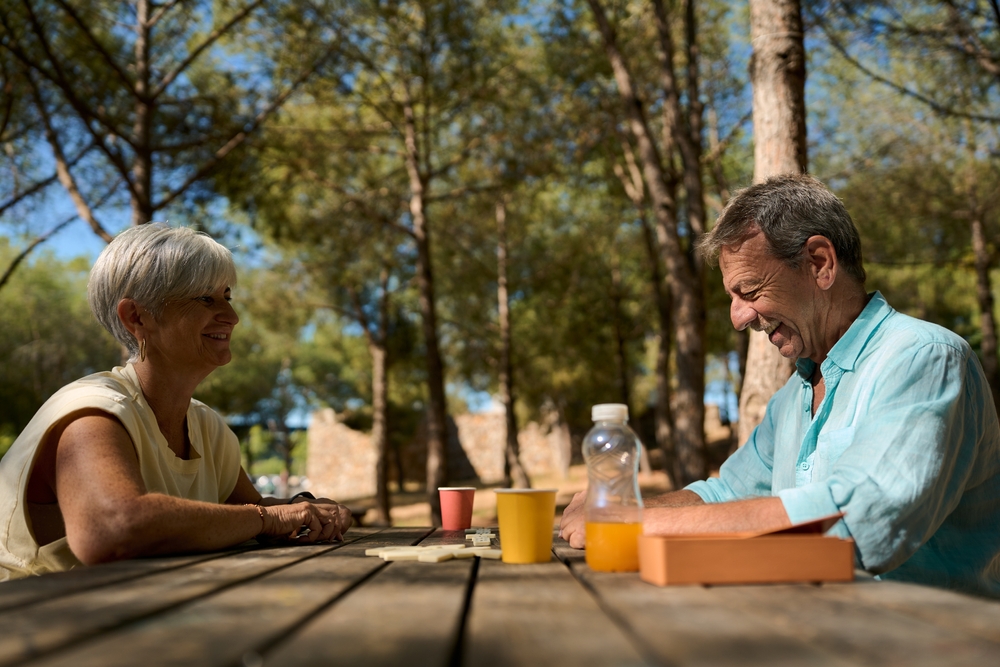
Furniture should also face towards the activity rather than away from it. A picnic setting overlooking a playground, sporting field, lake or scenic landscape can become much more appealing than one facing a car park or service area.
Choose Materials for the Long Haul
Public picnic furniture needs to cope with weather, frequent use and occasional rough treatment.
That makes durability a key part of design rather than an afterthought. Commercial picnic benches should withstand regular cleaning, exposure to sunlight and repeated use without requiring excessive maintenance.
Material selection also needs to reflect the location. Coastal environments may require additional corrosion considerations, while heavily used urban areas may demand particularly robust construction.
Working with experienced park furniture manufacturers can help councils and developers identify suitable materials and finishes based on the site’s actual conditions.
The Details People Remember
Sometimes the most successful picnic areas aren’t the most elaborate. They’re the ones that get the basics right.
There is enough shade. The furniture is comfortable. The bins are nearby. The paths are easy to navigate. Children can play within sight of their parents. Bikes have somewhere to go. The surrounding landscape feels attractive rather than barren.
These details reduce friction and make people more likely to return.
Good picnic design is ultimately about creating a place people can imagine themselves using. Aluminium picnic settings can provide the practical foundation, while thoughtful landscaping, shelter, access and supporting amenities turn that foundation into a genuine community space.
Make the Picnic Area a Destination
The best picnic areas invite people to stay longer than they originally planned.
When designers combine comfortable commercial picnic benches, durable materials and thoughtful layouts with shade, greenery, recreation and accessibility, they create spaces that can support everything from a quiet lunch to a large family gathering. For councils and developers, choosing quality park furniture manufacturers and planning furniture as part of the wider landscape can make a significant difference. Ultimately, aluminium picnic settings are only one part of the equation. The real goal is to create outdoor spaces that feel comfortable, practical and welcoming. Places Australians genuinely want to use.