A great public space should feel inviting before you even realise why. The right combination of shade, greenery, lighting, pathways and public space furniture can make the difference between somewhere people simply pass through and somewhere they want to stop, relax and spend time. In Australia, where outdoor living forms such a big part of everyday life, thoughtful urban design can have a surprisingly significant impact on how comfortable people feel in their local communities. The street furniture in Australia provided by leading urban furniture suppliers also plays a crucial role.
What Makes a Public Space Feel Comfortable?
Comfort goes well beyond having somewhere to sit. People naturally look for spaces that provide a sense of safety, predictability and choice. A good public space might offer sunny areas for winter, shade during summer, quiet corners for reading and more social areas where people can meet friends.
This is where urban design starts to intersect with psychology. When people can choose where and how they spend time in a space, they are more likely to feel comfortable and in control of their surroundings.
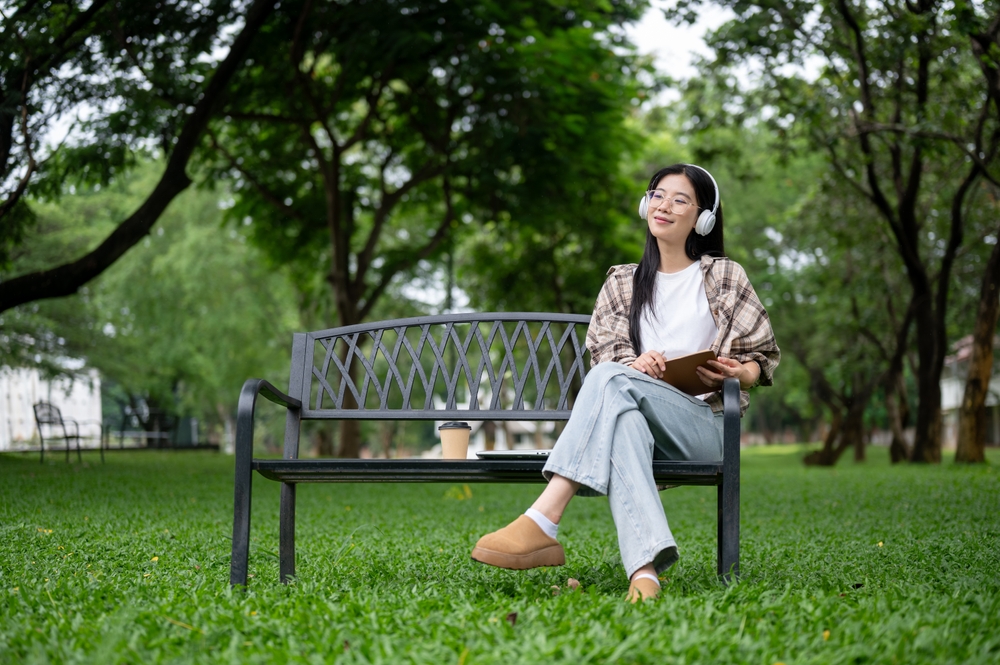
Seating plays an especially important role. Well-positioned public space furniture gives people a reason to pause, while the placement of seats can influence whether a space encourages solitude, conversation or simply watching the world go by.
The Psychology of Seating and Social Interaction
Have you ever noticed that people often choose seats with a good view?
That is no accident. Humans tend to feel more comfortable when they can observe what is happening around them without feeling like they are directly in the spotlight. A bench facing a footpath, playground or garden can therefore provide a completely different experience from one hidden away behind a wall.
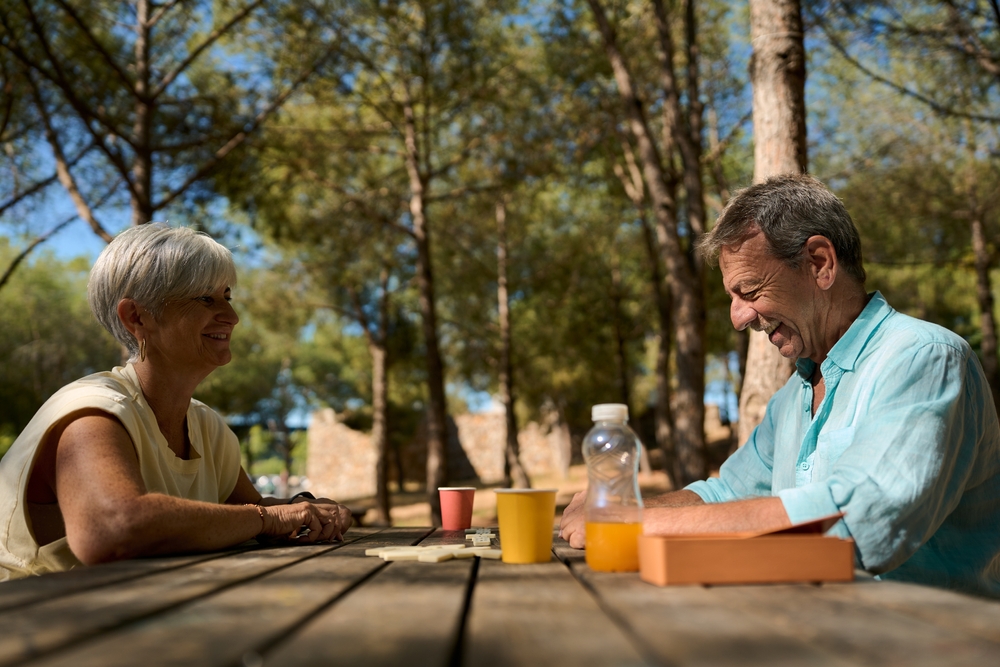
The design of street furniture in Australia needs to account for these subtle behaviours. Seating positioned near pedestrian routes can encourage casual interaction, while seats arranged around a table can naturally support conversation between families, friends and community groups.
Even the physical design matters. Backrests, armrests, appropriate seat heights and comfortable surfaces can make public seating more useful for people of different ages and abilities.
Shade, Shelter and the Australian Climate
Australian conditions make environmental comfort particularly important.
A beautifully designed plaza is unlikely to attract people for long if there is nowhere to escape the midday sun. Shade structures, trees and shelters can extend the amount of time people feel comfortable spending outdoors, particularly during warmer months.
This also demonstrates why streetscape furniture needs to respond to local conditions rather than simply copying designs from overseas. Materials need to withstand UV exposure, rain, temperature changes and heavy public use, while furniture placement should work alongside landscaping and passive shading.
The goal isn’t just to make a space look attractive. It is to create an environment people can actually use throughout the year.
Why Accessibility Is Part of Comfort
A public space cannot truly feel comfortable if large sections of the community struggle to use it.
Accessible pathways, appropriate seating, clear circulation routes and sufficient space around furniture help people with mobility limitations, parents with prams, older residents and people using mobility aids navigate public areas more easily.
Good design also provides variety. Some people may need a seat with armrests to stand up comfortably, while others may prefer an open bench where they can sit beside a child or companion.
Thoughtful urban furniture suppliers can help planners consider these requirements during the design and specification process, rather than treating accessibility as an afterthought.
Designing for the Senses
Public spaces also communicate through sound, texture, light and greenery.
Trees can soften traffic noise. Gardens introduce colour and natural textures. Water features can create a calming background sound, while well-designed lighting can make spaces feel more usable after sunset.
Furniture contributes to this sensory experience, too. Timber-look finishes, recycled composites and other tactile materials can create a warmer impression than purely utilitarian infrastructure.
When urban furniture manufacturers work with planners and landscape designers, furniture can become part of the overall environment rather than looking like an object that was simply dropped into it.
Why Comfortable Public Spaces Benefit Communities
Comfort encourages people to stay, and that matters.
When residents spend more time in parks, town centres and shared outdoor areas, they have more opportunities for casual social interaction. A parent might chat with another parent while their children play. An older resident might stop for a rest during a walk. Workers might eat lunch outside rather than returning straight to their desks.
These small interactions can help create familiar, connected communities.
Comfortable public spaces can also support walking and active transport because people know they have places to stop along the way. This becomes particularly important in larger Australian cities, where creating enjoyable pedestrian environments can help make neighbourhoods feel less dominated by vehicles.
Designing Spaces People Actually Want to Use
The psychology behind comfortable public spaces is ultimately about understanding people.
Good urban design considers how people move, where they naturally pause, what makes them feel secure and what encourages them to return. Public space furniture supports these behaviours when designers select the right furniture, materials and locations for the people who will actually use the space. For councils and planners, investing in quality street furniture in Australia isn’t simply about filling an empty footpath. It is about creating places that encourage people to stop, connect and enjoy their surroundings. Working with experienced urban furniture suppliers can help turn those principles into practical, durable and genuinely welcoming public spaces.