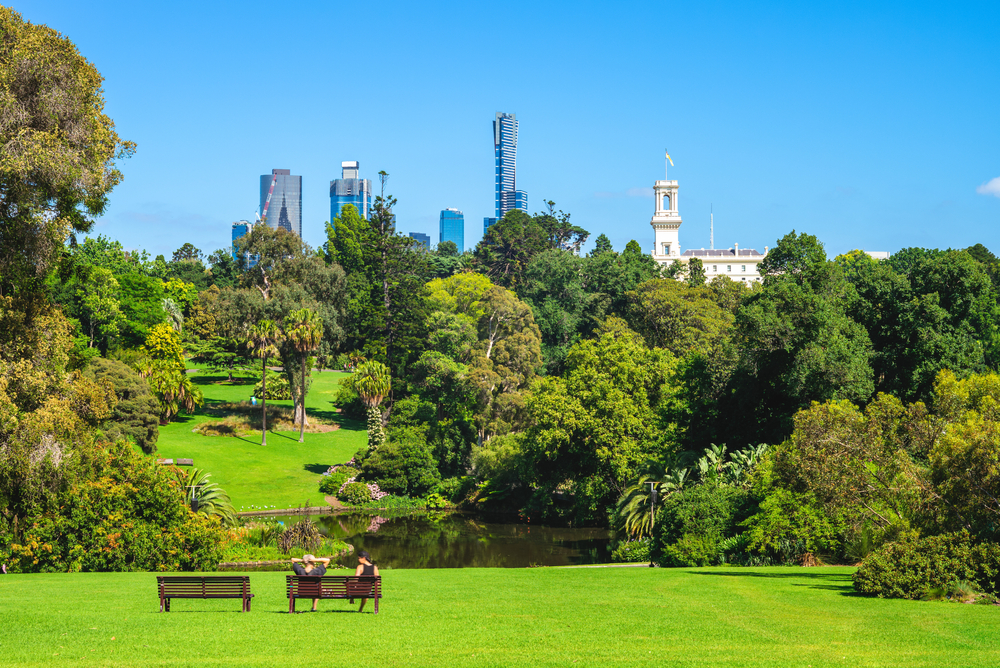
Melbourne’s streets have long shaped the city’s identity. From grand boulevards to intimate laneways, the character of our public realm influences how we live, move and connect. The design and placement of park furniture in Melbourne, the innovation of street furniture manufacturers, and the quality and comfort of everyday public seats all play a vital role in defining streetscapes that feel welcoming, safe and distinctly local. But while Melbourne leads in many areas of urban design, there is still room for improvement.
What Defines Melbourne’s Streetscapes?
Melbourne’s streetscapes combine heritage architecture, contemporary design, tree-lined avenues and vibrant public art. Key characteristics include:
- Activated laneways with cafés, street art and pedestrian priority
- Generous footpaths in activity centres such as the CBD and inner suburbs
- Integrated tram corridors that shape both movement and visual identity
- Strong tree canopies, particularly in established suburbs
Streets such as Swanston Street demonstrate how prioritising pedestrians and public transport can transform a corridor. The reduction of private vehicle traffic has improved safety, increased foot traffic for businesses and created space for carefully positioned public seats and planting.
Likewise, Hardware Lane’s recent renewal shows how upgrading paving, lighting and park furniture in Melbourne can strengthen accessibility while maintaining character. These projects highlight how thoughtful collaboration between councils and experienced street furniture manufacturers can elevate everyday public spaces.
What’s Working Well
1. Pedestrian-First Design
Melbourne increasingly designs streets around people rather than cars. Widened footpaths, raised crossings and reduced speed environments improve walkability. In the CBD and inner suburbs, designers have introduced more shade, seating and greenery, encouraging people to linger.
Strategically placed public seats help older residents, families and visitors rest comfortably. When councils pair these with quality materials supplied by reputable street furniture manufacturers, they ensure durability, safety and visual cohesion.
2. Integration of Green Infrastructure
Urban heat remains a challenge, but Melbourne has made meaningful progress through tree planting and water-sensitive urban design. Streets with healthy canopies feel cooler and more inviting. In these environments, the park furniture in Melbourne performs more than a functional role; it supports social interaction beneath shaded areas.
Rain gardens, permeable paving and integrated planting beds demonstrate how infrastructure and aesthetics can work together. Streets that combine greenery with well-designed seating and lighting create a more resilient public realm.
3. Activation Through Mixed Use
Successful streetscapes support retail, hospitality and residential life simultaneously. Lygon Street, Brunswick Street and parts of South Yarra thrive because people live, work and socialise in the same precinct. Consistent, high-quality seating and coordinated street elements contribute to a cohesive experience that encourages longer visits.
What Could Be Improved
1. Consistency Across Municipal Boundaries
While the City of Melbourne sets a high benchmark, outer municipalities often struggle with inconsistent design standards. A lack of cohesion in materials, signage and streetscape furniture can fragment the user experience.
Greater collaboration between councils and established street furniture suppliers would help standardise durability, accessibility and aesthetic quality across suburbs.
2. Maintenance and Lifecycle Planning
Even the best-designed streetscape loses impact without proper maintenance. Damaged seating, faded finishes, vandalism, and poorly maintained landscaping undermine safety and perception.
Councils should prioritise lifecycle planning when selecting park and street furniture elements. Investing in durable materials upfront reduces long-term costs and ensures streets remain attractive and functional.
3. Climate Resilience
Melbourne’s climate is changing. Heatwaves, heavy rainfall and increased UV exposure demand stronger design responses. More shade structures, expanded tree canopy targets and heat-reflective surfaces must become standard practice.
High-quality streetscape furniture should incorporate materials that withstand temperature fluctuations while maintaining comfort. Design innovation from experienced manufacturers can support councils in meeting sustainability goals.
The Role of Councils and Communities
Local councils shape streetscapes through policy, funding and community consultation. Moving forward, they should focus on:
- Prioritising pedestrian safety and universal accessibility
- Expanding tree canopy and green infrastructure
- Selecting durable, locally appropriate materials
- Encouraging community feedback during renewal projects
Communities also influence outcomes. Residents who support local businesses, respect shared spaces and engage in consultation processes contribute to stronger, more vibrant streets. Business owners can activate frontages with outdoor seating and greenery, complementing council-led infrastructure such as bike racks and wayfinding systems.
Tourism also benefits when streets feel cohesive and thoughtfully designed. A well-curated mix of landscaping, lighting and streetscape elements enhances the city’s global reputation as a liveable, creative destination.
Looking Ahead to Building Better Streets for Melbourne
Melbourne’s streetscapes already demonstrate strong leadership in pedestrian design, greenery and activation. However, greater consistency, improved maintenance and a stronger focus on climate resilience will shape the next chapter. By partnering with innovative street furniture manufacturers, investing in durable public seats, and continuing to refine the local park furniture in Melbourne, councils can create streets that serve businesses, residents and visitors for decades to come. Thoughtful streetscape design does more than beautify a road; it builds connection, supports economic activity and strengthens Melbourne’s identity as one of Australia’s most liveable cities.