
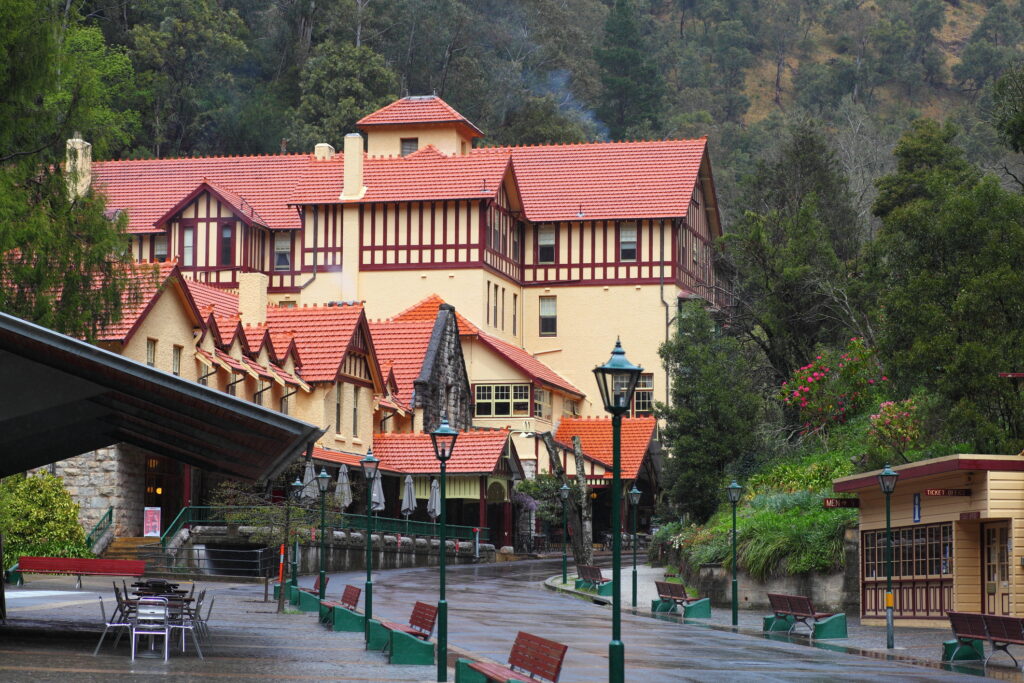
Australia’s heritage sites tell the story of our cities, architecture, and culture — but even the most historic spaces need to evolve with time. Whether it’s a century-old town square or a heritage-listed park, upgrading the street furniture in Melbourne and other major cities is essential for maintaining functionality while preserving aesthetic integrity. Whether it’s upgrading public seats or bollards for traffic flow, choosing street furniture companies that can align your vision with heritage requirements is also crucial. Modern urban design allows councils and planners to enhance heritage areas with durable, accessible, and stylish solutions that respect the past while serving today’s communities.
Why Upgrading Heritage Street Furniture Matters
Heritage sites often attract high foot traffic, community gatherings, and tourism, which means infrastructure must be both practical and durable. Thoughtfully designed public seats, bollards, and picnic settings not only provide comfort and convenience but also help protect and define the character of these iconic historical environments.
Upgrading park and street furniture in Melbourne heritage locations ensures the area remains safe, functional, and inclusive — supporting accessibility for all visitors. Importantly, replacing worn or unsafe elements prevents deterioration while improving visitor experience and community pride. This applies to all major heritage sites across Australia.
What to Consider When Selecting Furniture for Heritage Sites
Choosing the right furniture for heritage precincts is about finding the balance between traditional charm and modern practicality. Below are key considerations councils and urban planners should keep in mind:
1. Classic Aesthetic Design
Heritage settings require furniture that blends seamlessly with existing architecture. Designs should echo the period’s style — think ornate bench legs, warm colour palettes, and materials that mimic traditional ironwork or timber. Yet, behind the classic appearance, modern engineering should ensure long-term resilience and user comfort.
2. Durable and Low-Maintenance Materials
While timber and cast iron are classic materials, modern alternatives like powder-coated steel, aluminium, and sustainably sourced hardwoods offer durability and reduced maintenance costs. For instance, benches, bollards, and tree guards in weather-resistant finishes can withstand Australia’s climate while preserving heritage appeal.
3. Accessibility and Safety
Accessibility is non-negotiable for public infrastructure today. When installing commercial outdoor benches, ensure they comply with accessibility standards — providing armrests, suitable seat heights, and clear pathways for people with mobility aids. Non-slip surfaces and rounded edges are also essential for community safety.
4. Compatibility with Heritage Regulations
In Australia, heritage sites are often protected by local or state legislation, and modifications must adhere to strict guidelines. Before selecting furniture, councils should consult the relevant heritage body to ensure materials, design, and installation methods do not compromise the site’s integrity.
5. Sustainability and Longevity
Heritage projects offer an excellent opportunity to champion sustainability. Choosing eco-friendly materials, recyclable metals, and locally sourced timber reduces environmental impact. Many street furniture companies now prioritise sustainable manufacturing processes, which support council climate goals while preserving historical sites for future generations.
What to Look for in a Heritage Furniture Manufacturer
Not all manufacturers are equipped to handle heritage-sensitive projects. Councils and planners should look for street furniture manufacturers with proven experience working on heritage or historically significant developments. The right manufacturer will offer:
- Custom design services to match existing architectural themes.
- Access to durable, high-quality materials suitable for heritage precincts.
- Local manufacturing and installation expertise.
- A track record of compliance with Australian building and accessibility standards.
Manufacturers who also provide maintenance support and replacement parts make it easier for councils to manage long-term preservation.
Examples of Ideal Furniture for Heritage Areas
Some of the most suitable pieces for heritage environments include:
- Benches and seats designed in traditional styles but made with durable, low-maintenance materials.
- Picnic settings that encourage social interaction while maintaining a vintage aesthetic.
- Bollards and tree guards that protect pedestrians and greenery without disrupting the historic charm of the space.
Each piece should complement the architectural narrative of its surroundings while serving practical, everyday needs.
Preserving the Past, Enhancing the Future
Upgrading street furniture in Melbourne heritage sites is about more than just replacing old benches — it’s about preserving our cultural identity while improving community usability. From carefully designed public seats to eco-conscious materials and expert craftsmanship from trusted street furniture companies, every choice helps protect the stories written into our cities’ streetscapes. When councils invest thoughtfully in heritage-focused urban furniture, they ensure these spaces remain both beautiful and functional for generations to come.