
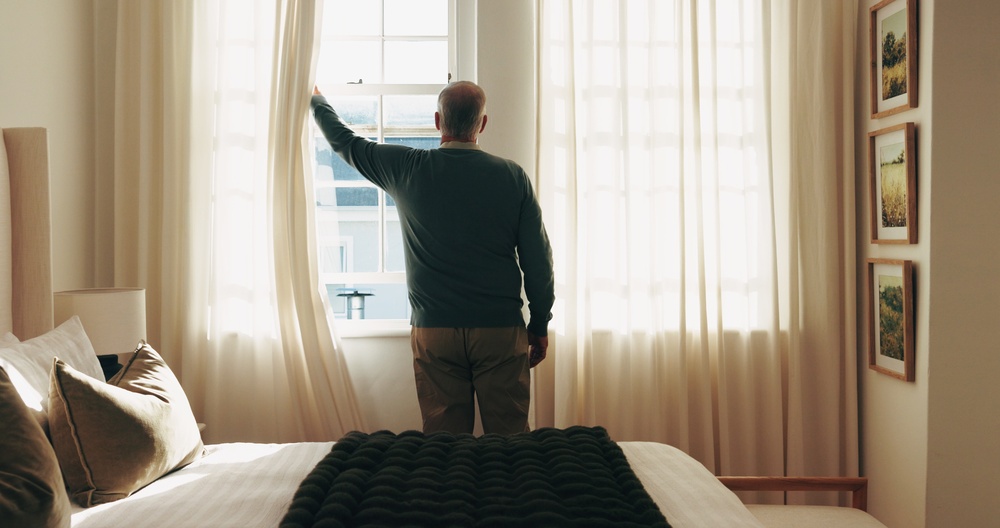
Walking into an aged care facility or a healthcare clinic often brings a familiar, sterile feeling. Bright fluorescent lights, stark white walls and hard surfaces might be easy to clean, but they do little to make residents and patients feel at ease. Today, interior designers and facility managers across Melbourne are changing this narrative. They understand that comfort and dignity genuinely matter. By carefully selecting elements like commercial window coverings, facilities can transform a cold room into a welcoming sanctuary. Whether you specify bonded roller blinds for a sunlit dining area or soft custom curtains for bedroom or living room spaces, the right textures instantly soften a clinical environment. Creating a space that feels like a real home requires a delicate balance of aesthetics and practicality.
The psychological impact of a homelike environment
Research consistently shows that physical environments heavily influence our emotional wellbeing. In Australia, the Royal Commission into Aged Care Quality and Safety highlighted the urgent need for smaller, more homelike accommodation models. When spaces feel institutional, they can increase anxiety and disorientation. This is particularly true for older adults living with dementia. A warmer, familiar setting reduces stress and promotes a genuine sense of autonomy.
Practical design choices make a massive difference here. Bringing in natural light, improving acoustics with soft furnishings and choosing soothing colour palettes all contribute to a much better quality of life.
Studies from Dementia Training Australia also suggest that minimising confusing glare and harsh contrasts helps residents navigate their surroundings safely. The built environment acts as a silent carer. If a room features harsh lighting and echoing hard floors, it communicates clinical efficiency over human comfort.
However, by replacing stark, institutional fittings with residential-style alternatives, you help residents feel grounded and secure. Thoughtful design actively reduces agitation and helps regulate sleep patterns, proving that aesthetics and health outcomes are deeply connected.
Choosing the right materials for warmth and function
You don’t have to sacrifice infection control to achieve a beautiful design. The modern market offers incredible materials that meet strict Australian healthcare standards while looking completely residential.
For instance, commercial window coverings now come in advanced antimicrobial fabrics that mimic the look of natural linen or cotton. These options provide the necessary durability and hygiene without shouting that you are in a hospital room. When you look at bonded roller blinds, you get the benefit of a stiffened, easy-to-wipe fabric that still carries a subtle texture or welcoming pattern. These are perfect for common areas where you need to control afternoon glare without losing that homely touch.
Similarly, PVC shutters offer a brilliant alternative to stark aluminium venetians. They handle heavy cleaning protocols beautifully, resist moisture and bring a classic, plantation style look to a patient room. Hygienic blinds made from wipeable PVC or medical-grade fabrics ensure staff can maintain top-tier cleanliness while residents enjoy a space that feels comfortable. It is about finding that sweet spot where operational efficiency meets human-centric design. You won’t need to compromise on safety when you select the right products.
Designing for dignity in personal spaces
Private rooms require special attention in any care setting. This is where residents spend their quiet time, and the design must reflect a personal retreat rather than a medical ward. Incorporating curtains for bedroom or living room areas within the facility adds vital layers of comfort.
Soft draping fabrics absorb sound, which noticeably lowers the overall noise level of a busy hallway. They also frame windows beautifully, making the view outside feel like a natural extension of the room. When you pair heavy-duty commercial tracks with elegant, fire-retardant fabrics, you create a space that truly respects the individual. A well-dressed window can hide necessary medical equipment or stark architectural features, softening the entire visual field.
Furthermore, offering residents control over their environment boosts their confidence and independence. Simple additions like easy-to-use blind mechanisms, wand controls or motorised options mean that older hands can adjust the light with ease. When a room feels customised and thoughtfully put together, it tells the resident that their comfort is a priority. It allows them to personalise their space, perhaps matching their own bed linen or favourite chair to the tones of the window treatments.
Custom-made commercial window coverings transform aged care spaces
Moving away from sterile, clinical environments is a vital step forward for Australian healthcare and aged care design. By focusing on tactile, warm materials, designers help facilities create spaces where people truly want to live and heal. The strategic use of commercial window coverings plays a massive role in this shift. Simple changes, like installing textured bonded roller blinds in communal dining areas or choosing flowing custom-made curtains for bedroom or living room spaces, bridge the gap between medical necessity and human comfort. When you prioritise dignity and warmth in your design choices and work with experienced suppliers and installers, you build environments that nurture both the body and the mind. It’s a practical approach that delivers outstanding results for everyone involved.