
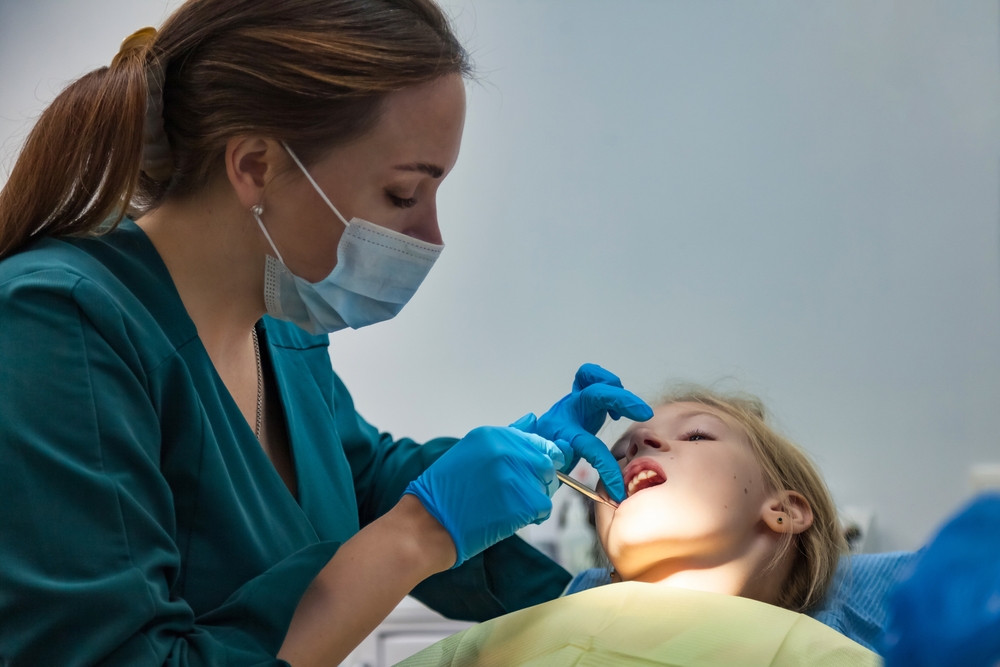
Most parents know the sinking feeling that comes with hearing their child needs a tooth filling. It’s a common moment, and it’s often preventable. Dental sealants offer one of the simplest ways to protect young teeth, and any good children’s dentist in Darwin will raise the topic early. Alongside regular teeth cleaning at home and in the chair, sealants form a quiet, reliable barrier against decay before it ever takes hold.
What are Dental Sealants?
A sealant is a thin, tooth-coloured or clear coating painted onto the chewing surfaces of the back teeth. Molars and premolars have deep grooves, called pits and fissures, and those grooves are narrower than a single toothbrush bristle. Food and plaque settle in there and stay put. A sealant flows into those grooves, sets hard, and creates a smooth surface that a brush can actually clean.
The process takes minutes. The dentist cleans and dries the tooth, applies a conditioning gel, rinses, dries again, then paints on the sealant material and cures it with a light. There’s no drilling, no needles, and no discomfort. Children who feel nervous about dental visits usually find it one of the easiest appointments they’ll ever have.
Do Dental Sealants Work?
The research here is unusually strong. A Cochrane review of sealant studies found that children with sealed molars had far less decay than those without, with reductions in the range of 11 to 51% over two years compared with no sealant. The US Centers for Disease Control and Prevention reports that sealants prevent roughly 80% of cavities in back teeth for the first two years and continue protecting against about half of cavities for up to four years.
That matters locally. The Australian Institute of Health and Welfare has reported that around a third of Australian children aged five to ten have experienced decay in their baby teeth, and dental conditions remain one of the leading causes of preventable hospital admissions for young children. Sealants target exactly where most of that decay begins, since the vast majority of childhood cavities start in the pits and fissures of molars.
When Should Children Get Them?
Timing makes a real difference. First permanent molars usually arrive around age six, and second molars around age twelve. Sealing them soon after they erupt gives the best protection, because the enamel on newly erupted teeth is still maturing and is more vulnerable.
Some children benefit from sealants on baby molars too, particularly if they have deep grooves, a history of decay, or a diet high in sugary drinks. Darwin’s climate encourages constant sipping, and sports drinks and cordials do plenty of damage over time. A dentist will assess each child’s risk rather than applying a blanket rule.
Sealants Work Best as Part of a Bigger Routine
Sealants protect grooves, not the surfaces between teeth. That’s why they sit alongside other habits rather than replacing them. Twice-daily brushing with fluoride toothpaste, flossing once teeth touch, and professional teeth cleaning every six to twelve months all pull in the same direction.
Fluoride and sealants tackle different problems. Fluoride strengthens smooth enamel surfaces, while sealants physically block the grooves fluoride struggles to protect. Used together, they cover far more ground than either does alone.
Cost, Longevity and Maintenance
Sealants last several years, though they can chip or wear with heavy chewing. Family dentists check them at routine visits and top them up when needed, which takes only a few minutes. Compared with the cost and stress of restoring a decayed molar, dental sealants are a very affordable choice!
Families should also check the Child Dental Benefits Schedule. Eligible children can access up to a capped amount over two calendar years for services including examinations, cleans, fluoride and sealants, which removes a genuine barrier for many households.
Choosing a Children’s Dentist in Darwin for Sealant Care
Finding the right children’s dentist in Darwin comes down to experience with young patients and a genuine focus on prevention. A practice that knows how to help children not feel anxious, discusses sealants, diet and brushing technique before recommending a tooth filling is one that’s thinking long term.
Protecting Young Smiles with Sealants, Teeth Cleaning and Early Care
Sealants offer strong, evidence-backed protection at a low cost and with no discomfort. Combined with consistent teeth cleaning and regular check-ups, they dramatically reduce the odds of a child needing a tooth filling. Booking with a children’s dentist in Darwin while molars are still new gives kids the best possible head start!