
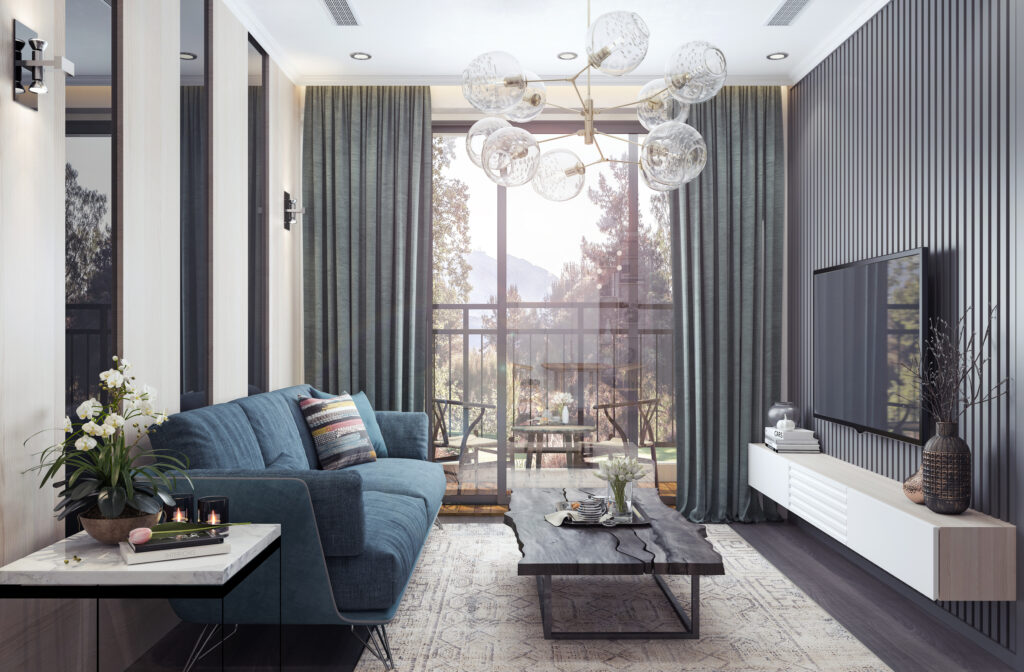
Not all rooms in a home have the same requirements, especially when it comes to safety and durability. Kitchens, bathrooms, laundries, and even bedrooms each place different demands on window furnishings. In Melbourne homes, where humidity, heat, and changing seasons all come into play, choosing the right materials matters. By selecting well-made custom curtains, understanding when blockout curtains are appropriate, and knowing where linen curtains perform best, homeowners can make informed decisions that balance safety, comfort, and style.
Why Fabric Performance Matters
Window furnishings are exposed to more than just sunlight. Steam, moisture, heat, and daily wear can all impact how fabrics age and perform. Poor fabric choices may lead to mould growth, fading, or even safety concerns in high-risk areas. Thoughtfully designed custom curtains allow you to specify fabrics that suit each room’s conditions, ensuring longevity and peace of mind.
In spaces that require strong light control, blockout curtains often provide added benefits through dense linings and protective layers. Meanwhile, linen curtains offer breathability and natural texture, but they need to be used thoughtfully depending on the environment.
Flame-Retardant Fabrics for Added Safety
Flame-retardant fabrics are particularly important in rooms where heat sources are present. Kitchens, dining areas, and rooms with fireplaces benefit from materials that slow the spread of flame and comply with safety standards.
Many custom curtains can be produced using flame-retardant fabrics or treated finishes without compromising appearance. In bedrooms, blockout curtains with certified flame-retardant linings add both safety and functionality, especially where heaters or electrical devices are nearby. While linen curtains are naturally breathable, they are better suited to lower-risk areas unless specifically treated.
Moisture-Resistant Options for Wet Areas
Bathrooms, laundries, and kitchens introduce moisture and humidity that standard fabrics may struggle to handle. In these spaces, moisture-resistant materials help prevent mould, mildew, and fabric breakdown.
Specialised custom curtains designed for wet areas use treated or synthetic blends that resist moisture absorption. In some cases, blockout curtains with moisture-resistant linings can be used in adjacent spaces where humidity fluctuates. Linen curtains, while beautiful, are best placed in well-ventilated rooms rather than direct wet zones unless properly lined or protected.
Matching Fabrics to Room Function
Every room benefits from a slightly different approach. Bedrooms often require darkness, insulation, and safety, making blockout curtains an excellent choice. Living areas, on the other hand, may prioritise airflow and natural light, where layered custom curtains provide flexibility.
For dining rooms and sitting areas, linen curtains introduce softness and texture while maintaining a relaxed atmosphere. Selecting fabrics based on how each room is used ensures that window furnishings enhance daily life rather than becoming a maintenance issue.
Balancing Performance and Design
Safety-focused fabrics no longer mean sacrificing style. Advances in textile technology allow custom curtains to meet performance requirements while still offering a wide range of colours, textures, and finishes.
Well-designed blockout curtains can be layered behind decorative outer fabrics, hiding technical linings while maintaining a polished look. When used in appropriate settings, linen curtains complement these systems by adding warmth and visual balance.
Making Informed, Room-Specific Choices
Choosing flame-retardant or moisture-resistant fabrics is about understanding how each space functions within your home. With carefully specified custom curtains, the practical protection of blockout curtains, and the natural appeal of linen curtains, Melbourne homeowners can create interiors that are safe, resilient, and visually cohesive.
By tailoring fabric choices to each room’s needs, window furnishings become more than decorative elements, they become smart, long-lasting solutions that support comfort, safety, and everyday living.