
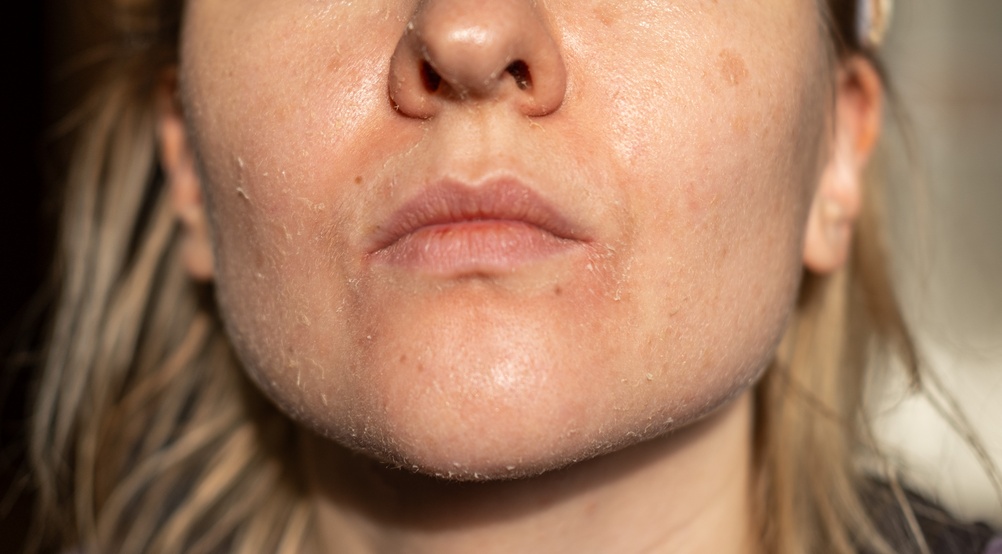
Dark spots can be stubborn little things. One minute, your skin looks clear; the next, a pimple has left a souvenir that hangs around for months. Sun exposure, hormonal changes and inflammation can all contribute to pigmentation, but the right habits and skincare routine can help. The trick is choosing Australian skincare products that target pigmentation, understanding which active skincare ingredients have evidence behind them, and starting with basics such as the best face cleanser for your skin type. Let’s get into it.
Why Do Dark Spots Form?
Dark spots develop when your skin produces or distributes excess melanin, the pigment responsible for your natural skin colour. This process, known as hyperpigmentation, can happen for several reasons.
Sun exposure is a major culprit. Ultraviolet (UV) radiation stimulates melanin production, contributing to sunspots and uneven skin tone. Hormonal changes can also trigger melasma, which often appears as brown patches on the cheeks, forehead or upper lip.
Then there’s post-inflammatory hyperpigmentation. When acne, eczema, a skin injury or an irritating product triggers inflammation, your skin may leave behind a darker mark as it heals.
What Does Your Skin Barrier Have to Do With It?
Your skin barrier helps retain moisture and protect against external irritants. When irritation damages this protective layer, inflammation can increase. That inflammation may trigger additional pigmentation, particularly in darker skin tones.
However, dark spots don’t automatically mean your barrier is damaged. Sunspots and melasma can develop without barrier damage. The goal is to protect your skin, manage inflammation and avoid aggressive treatments that could make things worse.
Lifestyle Habits That Help Prevent Dark Spots
Your daily habits can either support your skincare routine or undermine it.
- Wear SPF 50+ daily. Choose broad-spectrum sunscreen and reapply every two hours when outdoors, or after swimming or sweating. A wide-brimmed hat and shade offer extra protection.
- Stop picking pimples. Squeezing spots can increase inflammation and leave lingering dark marks.
- Be gentle with your skin. Scrubbing harder won’t remove pigmentation faster. It can irritate your skin and make discolouration worse.
- Prioritise balanced nutrition and sleep. A varied diet supports overall skin health, while adequate sleep helps your body maintain normal repair processes. Neither replaces targeted pigmentation treatment.
- Avoid tanning. Deliberate tanning increases UV exposure and can deepen existing pigmentation.
Consistent sun protection matters more than buying another miracle serum. Some Australian skincare products can help fade existing marks, but preventing further UV damage gives your routine a much better chance of success.
Which Skincare Ingredients Actually Help?
When shopping for pigmentation treatments, look for ingredients with evidence behind them rather than promises of instant perfection.
- Vitamin C: An antioxidant that helps protect against oxidative stress and can improve the appearance of uneven skin tone.
- Retinoids, including retinal and retinol: Support skin cell turnover and can improve certain types of pigmentation over time. Introduce them gradually because irritation can worsen dark marks.
- Azelaic acid: Can help address acne and uneven pigmentation, making it a useful option for people dealing with both concerns.
- Niacinamide: Supports the skin barrier and may help reduce the transfer of pigment within the skin.
- Glycolic acid: An exfoliating alpha hydroxy acid that can improve surface texture and some forms of pigmentation when used appropriately.
These active skincare ingredients don’t all work in the same way, and results depend on the cause of your pigmentation and the formulation. Start with one targeted treatment rather than layering everything together.
Building a Simple Routine for Dark Spots
You don’t need an entire shelf of products to get started.
Morning: Cleanse gently, apply a vitamin C serum if suitable, moisturise and finish with broad-spectrum SPF 50+ sunscreen.
Evening: Use the best face cleanser for your skin type, apply one targeted treatment such as azelaic acid or a retinal cream, then moisturise.
Choose fragrance-free, gentle formulas if your skin tends to react. If you’re introducing a new treatment, patch-test it and begin gradually. Stop any Australian skincare products if you develop persistent burning, redness or peeling.
The right active skincare ingredients can help improve pigmentation, but consistency matters more than intensity. And while the best face cleanser removes sunscreen, oil and everyday grime, it won’t erase dark spots on its own. Cleansing supports your routine; targeted treatments and sun protection do the heavy lifting.
FAQs About Dark Spots
How long does it take for dark spots to fade?
It depends on the cause and depth of the pigmentation. Some superficial marks fade over several months, while deeper pigmentation can take much longer. Consistent treatment and sun protection help.
Can dark spots disappear completely?
Some fade significantly, but others persist or return, particularly with ongoing sun exposure or hormonal triggers.
When should I see a dermatologist?
Seek professional advice if pigmentation persists despite consistent care, worsens, or affects your confidence. Get any new or changing spot checked, especially if it changes shape, colour or size, bleeds or becomes itchy.
Clearer-Looking Skin Starts with Consistency
You don’t need to attack dark spots with every ingredient on the shelf. Choose suitable Australian skincare products, introduce proven active skincare ingredients carefully and use the best face cleanser for your skin without stripping it. Above all, make sun protection a daily habit. Pigmentation takes patience, but a gentle, consistent routine gives your skin a better chance of looking more even over time.