Healthcare environments rely on thoughtful design to support patient comfort, infection control, and regulatory compliance. Custom blinds and curtains play a significant role in this, particularly in facilities that need dependable solutions for privacy, light control, and hygiene. Many hospitals and clinics now look for options that balance clinical performance with day-to-day practicality, supported by blind and curtain installation services that understand the specific needs of healthcare settings. The rising demand for privacy curtains in Melbourne has highlighted the importance of products that meet safety standards while remaining easy to maintain. Quality window treatments must integrate with workflow, reduce contamination risks, and create spaces where patients feel protected and respected.
Healthcare facilities cannot afford systems that wear out quickly or create cleaning challenges. This is where custom blinds and curtains make a difference. Purpose-built designs give hospitals, aged care homes, and treatment centres greater control over durability, fabric performance, and compliance. When paired with blind and curtain installation services that specialise in healthcare, these solutions ensure a long-lasting, hygienic finish that aligns with operational needs.
Understanding Healthcare Privacy Requirements
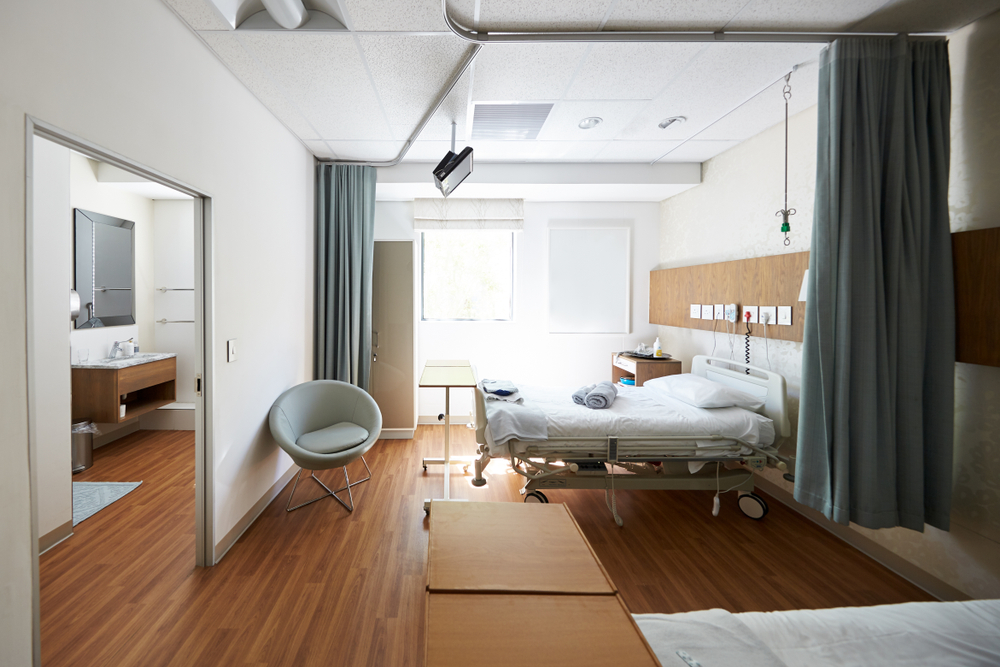
Patient privacy is a legal and ethical obligation. Curtains in wards, emergency departments, and consulting rooms must block sightlines effectively while remaining easy to operate for staff. Privacy curtains in Melbourne healthcare projects often need a full-height drop, smooth tracking systems, and fabrics that maintain opacity without adding unnecessary bulk. They must also withstand frequent handling, cleaning, and replacement without losing structural integrity.
Track design is just as important. Anti-ligature tracks, breakaway systems, and smooth gliding mechanisms are used to improve safety and reduce manual strain. These details ensure privacy can be maintained quickly in fast-paced clinical areas.
Hygiene and Infection Control Standards
Infection control teams often specify antimicrobial fabrics or products that can handle routine laundering. Studies on hospital-acquired infections show that high-touch surfaces and porous materials can carry bacteria longer than many people expect. Fabrics used for custom blinds and curtains in healthcare need verified sanitisation and fire-rated properties that comply with Australian standards.
Roller blinds in consultation rooms are popular because their smooth, non-porous surfaces allow quicker cleaning. Healthcare-approved fabrics resist mould, moisture, and staining, which reduces the risk of contamination. Curtains used around beds must be easy to remove for laundering and labelled with installation dates to support rotation schedules.
Light Control and Comfort
Natural light supports recovery, but glare can disrupt procedures or make it harder for staff to work. Custom window treatments allow each space to be tailored to its function. Translucent blinds might suit an administration area, while blockout curtains can create a restful environment in maternity wards or recovery rooms.
Motorisation is increasingly used in healthcare because it reduces physical contact with surfaces. Automated blinds can be controlled remotely, helping maintain hygiene while improving accessibility for staff and patients.
Durability and Maintenance
Healthcare interiors endure constant use. Fabrics must resist tearing, pilling, and discolouration. Tracks and hardware need strength and reliability, especially in high-use zones like outpatient clinics or shared wards. Blind and curtain installation services that specialise in healthcare understand these demands and can recommend systems that minimise failures and reduce maintenance costs.
PVC shutters or waterproof blinds may be used in wet areas such as hydrotherapy rooms or bathrooms. Elsewhere, high-performance curtains with reinforced stitching and quality track systems ensure consistent use without frequent repairs.
Compliance and Documentation
Healthcare projects require detailed documentation. Fire ratings, antimicrobial certifications, and installation records must be supplied for audit purposes. Having compliant products installed correctly is essential for meeting building codes, infection control protocols, and accreditation requirements. Providers experienced in privacy curtains in Melbourne can guide teams through fabric selection, installation planning, and compliance paperwork.
Choosing Compliant, Practical, and Hygienic Window Treatments
Healthcare facilities benefit from window treatments that balance privacy, hygiene, and day-to-day performance. Custom blinds and curtains offer the flexibility needed to address different clinical and administrative spaces, while full-service blind and curtain installation services ensure each product functions correctly and meets compliance requirements. From emergency departments to aged care rooms, privacy curtains in Melbourne play a vital role in creating safe, comfortable, and compliant environments. With thoughtful selection and professional installation, healthcare teams can achieve durable, hygienic, and effective window treatment solutions that support both patient care and operational flow.