
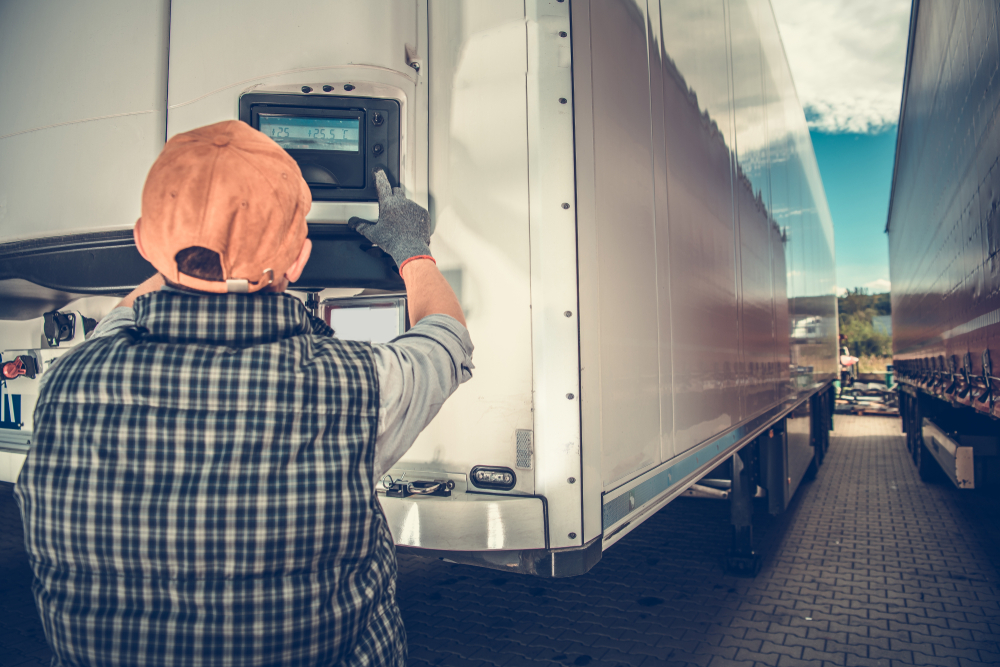
Australia’s transport and logistics industry handles a huge variety of products every day, from pantry goods and pharmaceuticals to frozen seafood and fresh produce. Choosing the right freight solution is critical for maintaining product quality, safety, and compliance throughout the supply chain. That’s why businesses rely on refrigerated freight services, dependable cold storage and transport, and advanced temperature controlled transport solutions to move goods safely across the country. Understanding the differences between ambient, chilled, and frozen freight helps businesses choose the right logistics strategy for their products and customers.
What Is Ambient Freight?
Ambient freight refers to goods transported at stable room temperatures without refrigeration or freezing. These products do not require strict temperature management, but they still need protection from excessive heat, moisture, or direct sunlight during transit.
Ambient freight commonly includes:
- Dry foods and packaged groceries
- Beverages
- Paper products
- Household goods
- Certain pharmaceuticals
- Retail and FMCG products
Although ambient freight does not require refrigeration, businesses still depend on reliable logistics providers to ensure products arrive safely and on time. In some cases, companies may combine ambient freight with temperature controlled transport solutions when transporting mixed loads containing both chilled and non-chilled products.
Ambient freight generally offers lower transport costs compared to chilled or frozen logistics because it does not require specialised refrigeration equipment or extensive monitoring systems.
What Is Chilled Freight?
Chilled freight involves transporting products at cool temperatures, typically between 0°C and 5°C, to preserve freshness and extend shelf life without freezing the product.
This type of freight plays a major role in Australia’s food and healthcare sectors. Products transported through chilled logistics often include:
- Fresh fruit and vegetables
- Dairy products
- Fresh meat
- Seafood
- Prepared meals
- Vaccines and medical supplies
Businesses that rely on fresh products often use cold storage and transport systems to maintain strict temperature consistency throughout the supply chain. Even small temperature fluctuations can impact product quality, safety, and shelf life.
Modern refrigerated freight services use insulated trailers, real-time temperature monitoring, and advanced refrigeration units to keep chilled products within safe temperature ranges during transit. This technology helps businesses reduce spoilage while meeting Australian food safety regulations.
What Is Frozen Freight?
Frozen freight involves transporting products at sub-zero temperatures, usually below -18°C, to keep goods fully frozen throughout storage and delivery.
Frozen logistics supports industries that require long-term preservation and stable product quality. Common frozen freight products include:
- Frozen meat and seafood
- Ice cream and frozen desserts
- Frozen vegetables
- Pre-packaged frozen meals
- Certain pharmaceutical products
Unlike chilled freight, frozen products must remain completely frozen during every stage of transport. Any break in the cold chain can lead to product damage, safety risks, and significant financial losses.
Businesses transporting frozen goods often depend heavily on specialised temperature controlled transport systems that can maintain precise sub-zero conditions over long interstate distances. Australia’s climate and geography make reliable frozen logistics especially important for national distribution networks.
The Key Differences Between Them
The main difference between these freight categories comes down to temperature requirements and product sensitivity.
Ambient freight operates at stable room temperature and suits products that do not spoil easily. Chilled freight keeps products cool but unfrozen to preserve freshness, while frozen freight maintains products below freezing for long-term preservation.
Each category also requires different logistics infrastructure:
- Ambient freight typically uses standard transport vehicles.
- Chilled freight requires refrigerated trailers and active cooling systems.
- Frozen freight demands more advanced refrigeration equipment and tighter temperature monitoring.
Businesses using cold storage and transport solutions must understand these differences to avoid product spoilage, compliance breaches, or supply chain disruptions.
Why Choosing the Right Freight Solution Matters
Selecting the correct freight category directly affects product quality, customer satisfaction, and operational costs. Businesses that use the wrong transport method risk damaging sensitive products and reducing shelf life.
Experienced logistics providers offering refrigerated freight services can help businesses determine the best transport solution based on product type, travel distance, and compliance requirements. Many providers also offer flexible multi-temperature transport options for businesses moving different product categories in a single load.
Technology also plays a growing role in modern freight operations. Real-time tracking, telematics, and automated temperature monitoring help logistics teams maintain safer and more efficient transport systems across Australia’s supply chains.
Keeping Freight Safe Across Every Temperature Zone
From shelf-stable products to frozen food and sensitive medical supplies, every type of freight requires the right transport conditions to maintain quality and safety. Reliable refrigerated freight services, advanced cold storage and transport systems, and dependable temperature controlled transport solutions help Australian businesses move products efficiently while protecting consumers and meeting industry regulations. As supply chains continue to evolve, understanding the differences between ambient, chilled, and frozen freight will remain essential for businesses across Australia.