Some parks are simply places to walk through, while others become part of a community’s identity. The difference often comes down to thoughtful design, accessibility and the small details that encourage people to stay. From the park furniture in Melbourne and other major hubs to comfortable public seats and welcoming aluminium picnic settings, the right infrastructure can turn an ordinary green space into somewhere people genuinely want to spend time.
What Makes a Park Truly Enjoyable?
A great park does more than provide a patch of grass. It gives people reasons to visit, stay and return.
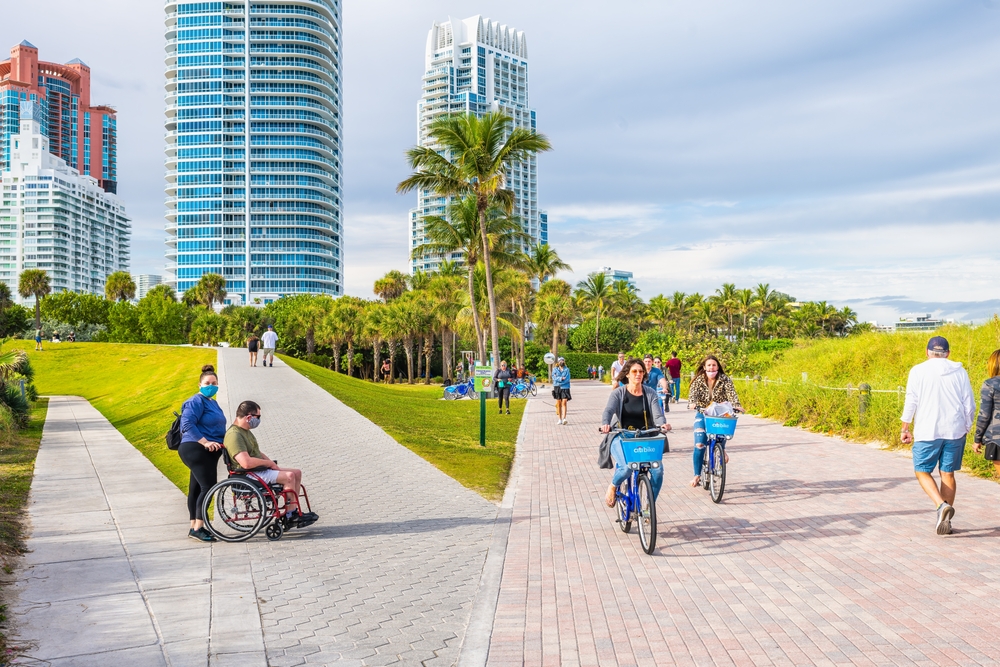
The best urban parks typically combine several elements: generous greenery, shade, attractive landscaping, safe paths, play areas, recreational facilities and spaces for both activity and relaxation. They also need to cater to different ages and abilities. A parent might want somewhere to sit while the kids play, while an older resident may value a quiet shaded spot to rest during a walk.
Good park design also considers how people move through the space. Clear pathways, accessible entrances, appropriate lighting and well-positioned seating can make a park feel easier and safer to navigate.
Melbourne’s Royal Park master planning provides a useful example. Its future direction considers recreation, nature, culture and community, while also responding to population growth and climate change. Community consultation played a significant role, with thousands of comments and survey responses helping shape the plan. Truly great urban design.
The Furniture Makes a Bigger Difference Than You Think
Furniture might not be the first thing people notice when they enter a park, but it can strongly influence how they use the space.
Well-positioned public seats give walkers somewhere to rest and create natural meeting points. Seating near playgrounds allows parents and carers to supervise children without standing for an entire afternoon. Seating along walking routes can also make longer journeys more accessible for older people and those with limited mobility.
Quality park furniture in Melbourne also needs to withstand heavy use and unpredictable weather. Materials, finishes, fixings and installation methods all influence how well furniture performs over time.
Picnic areas provide another important layer. An aluminium picnic setting can give families, community groups and visitors a practical place to eat, chat and spend several hours outdoors. When picnic tables sit close to shade, BBQ facilities, playgrounds or open lawns, they help create a genuine destination rather than simply another piece of infrastructure.
Why Some Parks Become Community Icons
The most memorable parks usually give people a reason to build routines around them.
Think about the local park where families meet on Sunday mornings, teenagers gather after school, workers eat lunch, or older residents take their daily walk. Over time, these repeated interactions create familiarity. The park becomes woven into the everyday life of its community.
That sense of belonging rarely comes from one feature. It develops through a combination of landscape, amenities, accessibility, maintenance and community activity.
The Victorian Government’s recent investment in urban parks demonstrates this broader approach. Its Urban Parks Active Wellbeing Program upgraded facilities across 21 Melbourne parks, including picnic shelters and tables, BBQs, trails, playgrounds and signage.
Meanwhile, the Pick My Park program is supporting new parks and upgrades across Melbourne and regional Victoria, with funding aimed at projects ranging from playgrounds and BBQs to accessibility improvements, shade, seating and urban greening.
Design for Different People, Not Just Different Activities
A community park needs to work for more than the most active visitors.
Inclusive design means considering parents with prams, people using wheelchairs, older residents, children, cyclists, walkers and people who simply want somewhere peaceful to sit. Furniture should support these different uses without making the park feel cluttered.
Positioning matters, too. A seat facing a playground serves a different purpose from one placed beside a walking trail. Picnic settings can encourage group interaction, while individual seating can provide quieter opportunities for rest.
This is where thoughtful aluminium picnic settings and versatile public seats can contribute to a much more flexible public space.
Communities Help Create Iconic Parks
Council investment provides the foundation, but communities also influence whether a park becomes genuinely loved.
Residents can participate in consultations, report damaged infrastructure, keep shared areas clean and encourage others to treat public amenities with respect. That feedback helps councils understand how spaces actually function once people start using them.
Melbourne’s recent park projects show how valuable that involvement can be. Community feedback has influenced decisions around shade, greenery, biodiversity, safety, amenities and connected open spaces.
Designing Australian Parks for People
A community icon rarely happens by accident. It comes from creating a park that feels comfortable, useful, accessible and distinctly connected to its neighbourhood.
Thoughtful park furniture in Melbourne, well-positioned public seats and durable aluminium picnic settings all contribute to that experience. When councils combine these practical details with greenery, recreation, accessibility and genuine community input, they can create parks that people do more than visit; they remember them, return to them and eventually regard them as part of home.