
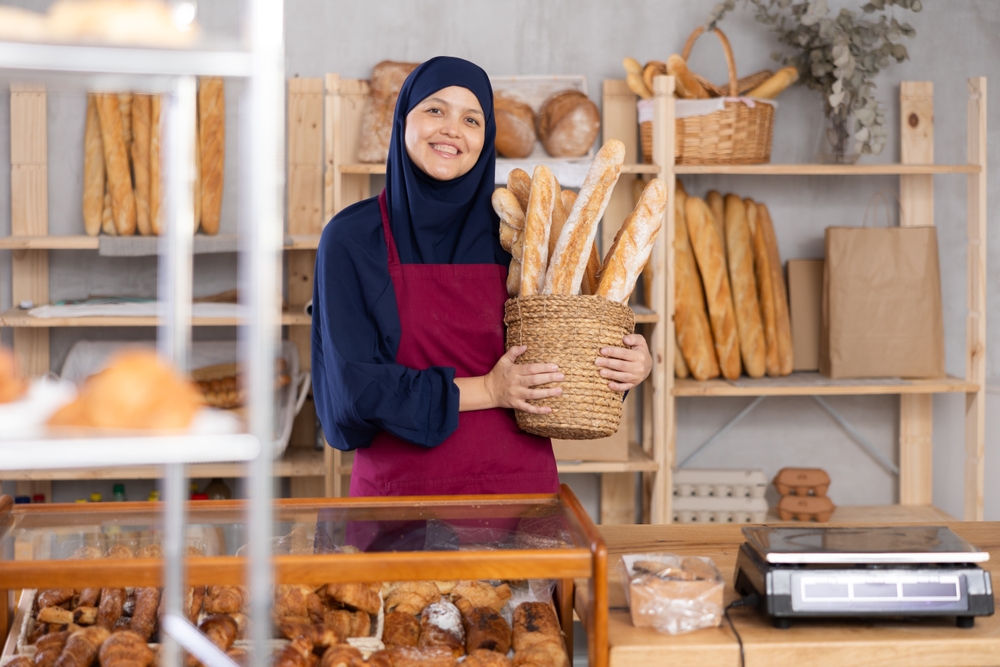
For local food venues, grocers, and suppliers, understanding these seasonal events isn’t just good hospitality; it’s smart commerce. After all, according to the Australian Bureau of Statistics 2021 Census, over 813,000 Muslims live in Australia. This vibrant, growing demographic makes up roughly 3.2% of the national population, with major concentrations across suburban Sydney, Melbourne, Perth, and Brisbane. Throughout the year, key observances like Ramadan, Eid al-Fitr, Eid al-Adha, and the Islamic New Year shape dining and shopping habits across the country. Learning what makes food halal, managing late-night dining rushes, and knowing how to get halal certified in Australia can help your business build lasting relationships with customers year-round.
Night markets and late-night trade
During Ramadan, everyday rhythms turn upside down as fasting ends at sunset with a meal called Iftar, followed by late-night gatherings and pre-dawn meals called Suhoor.
Street festivals showcase this shift on a massive scale. Sydney’s Lakemba Ramadan market (now officially known as Lakemba Nights during Ramadan) draws over a million visitors over the month. Stalls dish out thousands of camel burgers, freshly fried knafeh, spiced chai, and charcoal-grilled skewers late into the morning.
Similar night markets operate across Victoria in suburbs like Broadmeadows and Dandenong, as well as parts of Brisbane and Perth. For brick-and-mortar cafés and restaurants nearby, extending opening hours past 10:00 pm or offering dedicated Iftar banquet menus creates significant opportunities to serve hungry families breaking their fast together.
Adjusting hours, menus, and stock
If you run a food retail or dining business, minor operational tweaks across the key Islamic calendar dates can yield great results:
Revisit trading hours
Daytime foot traffic dips during fasting days, while evening demand surges. Venues that extend kitchen hours or offer pre-orders for Iftar pickup align better with customer needs.
Stock high-demand ingredients
Grocers experience heightened demand for specific staples depending on the holidays that need halal stock management. Medjool dates, rosewater, halloumi, fresh flatbreads, and fruit syrups sell quickly during Ramadan. Meanwhile, prime cuts of lamb and beef see massive spikes for feasts during Eid al-Adha.
Sourcing transparency
Knowing what makes food halal is vital for any retailer or kitchen. Halal refers to dietary choices permissible under Islamic law, requiring meat to come from permitted species slaughtered using prescribed humane practices, while strictly excluding alcohol, pork, and non-certified animal additives (like certain gelatines) as well as other non-halal ingredients.
Producers who supply Ramadan demand both in Australia and overseas play a critical role in maintaining these supply chains, keeping shelves stocked with certified meats, fresh bread, and pantry goods throughout the year.
Halal standards and certification
Non-Muslim food business owners often ask how to get halal certified in Australia to expand their customer base confidently.
To achieve official status, your business works with an accredited halal certification body. These independent organisations review supply chains, storage practices, and kitchen workflows to verify that cross-contamination with non-halal ingredients doesn’t occur.
If full facility certification isn’t feasible for your current setup, clear communication is essential. Displaying ingredient lists, marking items prepared with halal-certified meats, and providing clear vegetarian options helps guests make informed decisions easily.
Major holidays to focus on
Creating a welcoming atmosphere doesn’t require elaborate overhauls. Thoughtful gestures across major cultural events go a long way in building long-term customer loyalty:
Offer Complimentary Dates at Sunset
Placing dates and water on tables near sunset lets fasting guests break their fast immediately at Iftar while waiting for main dishes.
Celebrate Eid al-Fitr
The three-day festival of Eid al-Fitr marks the conclusion of Ramadan. It’s a joyful period of celebration, gift-giving, and feasting. Decorating your venue with simple “Eid Mubarak” signage, offering sweet pastry specials like baklava or ma’amoul, or hosting celebratory family breakfast menus helps customers celebrate.
Mark Eid al-Adha and the Islamic New Year
Known as the “Festival of Sacrifice,” Eid al-Adha centres around sharing large meals with family, friends, and those in need. Offering festive roast platters or group catering packages works exceptionally well. Shortly after, the Islamic New Year brings a time of peaceful reflection and community gatherings, where sweet grain dishes like Ashure (Noah’s pudding) are traditionally shared.
Engaging with these major events isn’t complicated, it’s rewarding
By learning what makes food halal, understanding how to get halal certified in Australia through a recognised halal certification body, and adjusting your trade to match peak holiday demand, your business can build lasting, meaningful connections with Australia’s diverse communities.