
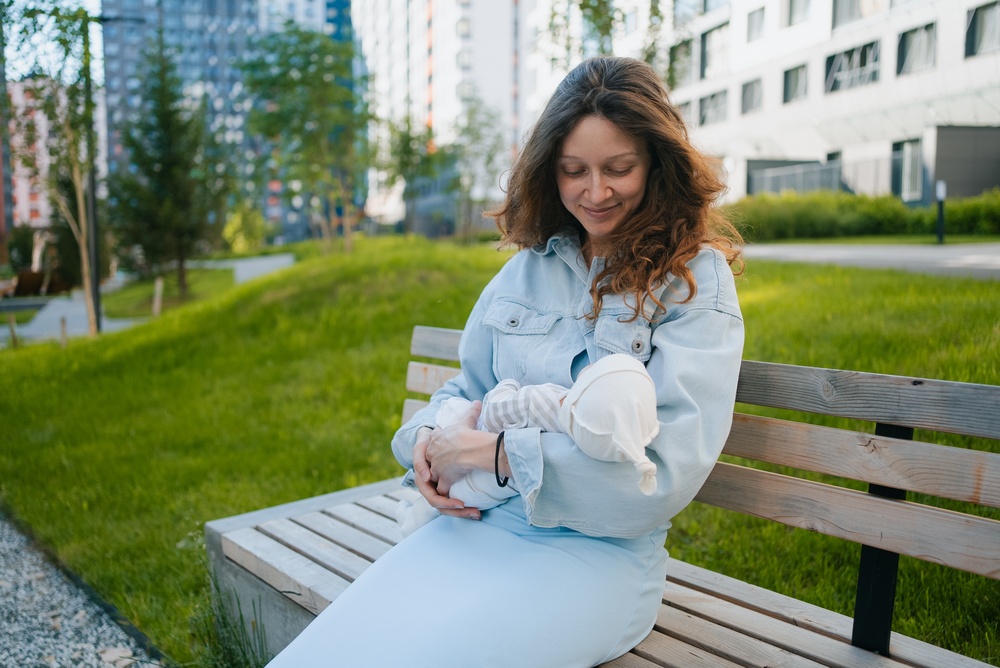
Have you ever walked past an empty block of land and wondered what it could become? Across Australia, unused land presents an opportunity to create something far more valuable than another vacant lot. With thoughtful planning, suitable park furniture, practical outdoor furniture for community use and well-considered urban designs, neglected spaces can become welcoming community parks where people connect, relax and enjoy the outdoors.
Creating a successful public space involves more than planting a few trees and installing a bench. It requires an understanding of how people use their neighbourhoods, what local communities need and how thoughtful infrastructure can encourage everyone to spend more time outdoors.
Why Empty Land Can Be a Problem for Communities
Vacant land isn’t necessarily harmful, but neglected and poorly maintained spaces can create challenges for surrounding neighbourhoods.
Overgrown vegetation, accumulated rubbish, illegal dumping and a lack of maintenance can make unused blocks feel unwelcoming. In some locations, neglected land may also attract antisocial behaviour or create concerns about visibility and personal safety.
These spaces can also represent missed opportunities. As Australian communities grow, residents need accessible places to exercise, socialise, enjoy nature and spend time with their families. Leaving suitable public land unused means missing an opportunity to provide these valuable community benefits.
Rather than viewing vacant land as an ongoing maintenance problem, councils and urban planners can consider how it might serve a greater purpose.
Turning Vacant Land Into Welcoming Community Parks
A well-designed park can completely change how people experience their neighbourhood. It provides somewhere to walk, meet friends, enjoy a picnic or simply take a break from busy everyday routines.
Green spaces also contribute to environmental wellbeing. Trees provide shade, vegetation supports local biodiversity, and permeable surfaces can help manage stormwater runoff. Depending on the site’s size and design, parks can also help reduce local heat and create valuable connections between natural areas.
However, successful placemaking starts with understanding the people who will use the space.
A small neighbourhood park doesn’t necessarily need an elaborate playground or expensive recreational facilities. Sometimes, a simple combination of greenery, accessible pathways, comfortable seating and practical amenities creates exactly what a community needs.
The goal is to make the space feel purposeful, accessible and inviting.
What Should Every Simple Community Park Include?
The right infrastructure can make an enormous difference to how people interact with a public space. Even a relatively modest park can offer plenty of value with a few carefully selected features.
Comfortable seating: Benches and seating areas give visitors somewhere to rest, socialise or supervise children. Positioning seats near walking paths, gardens and open areas helps accommodate different activities and age groups.
Picnic settings: Tables and benches encourage families, friends and community groups to spend more time together. Accessible picnic settings also make outdoor dining more inclusive.
Shade and shelters: Australia’s climate makes shade an important consideration. Trees, shade structures and covered picnic areas help visitors stay comfortable during warmer weather and encourage longer visits.
Bins and waste facilities: Conveniently located bins support cleaner parks and encourage responsible waste disposal. Their placement should make them accessible without obstructing pedestrian routes or seating areas.
Pathways and bike facilities: Connected walking paths make parks easier to navigate, while bike racks encourage active transport and provide somewhere secure and convenient to leave bicycles.
These features demonstrate how carefully selected park furniture and supporting infrastructure can turn an otherwise ordinary piece of land into a genuinely useful community asset.
Why Good Urban Design Goes Beyond Appearance
A beautiful park might attract visitors initially, but its long-term success depends on how well it functions.
Thoughtful urban designs consider accessibility, pedestrian movement, visibility, safety, durability and the relationship between different facilities. For example, seating should offer convenient access without obstructing pathways, while picnic areas should allow enough room for people using wheelchairs or mobility aids.
Material selection also matters. Public infrastructure experiences constant exposure to weather, heavy use and occasional vandalism. Durable materials, suitable finishes and straightforward maintenance requirements help councils protect their investment over time.
Good design also considers the surrounding streetscape. Connecting parks to footpaths, cycle routes, nearby schools and residential areas makes them easier to reach and encourages more people to incorporate them into their daily routines.
Ultimately, effective outdoor furniture for community use should support the way people naturally interact with their surroundings.
The Community’s Role in Protecting Local Parks
Creating a community park is only the beginning. Keeping it attractive, safe and functional requires ongoing care.
Local residents play an important role by disposing of rubbish responsibly, respecting public facilities, reporting maintenance issues and participating in community clean-up days. Schools, sporting groups and neighbourhood organisations can also help organise planting days, environmental activities and local events.
Councils can encourage this involvement through community consultations, volunteer programmes and opportunities for residents to provide feedback about park improvements.
When people feel connected to a public space, they’re more likely to take pride in it and help protect it. This sense of ownership can strengthen neighbourhood relationships and encourage a shared commitment to keeping public areas welcoming.
Small Changes Can Create Lasting Community Benefits
Empty land doesn’t have to remain an overlooked part of the neighbourhood. With thoughtful planning, practical amenities and community involvement, unused spaces can become valuable places for connection, recreation and relaxation.
By investing in quality park furniture, accessible outdoor furniture for community use and functional urban designs, Australian communities can transform neglected land into welcoming public spaces that benefit residents for generations. Sometimes, creating a better neighbourhood starts with simply recognising the potential of an empty block.