
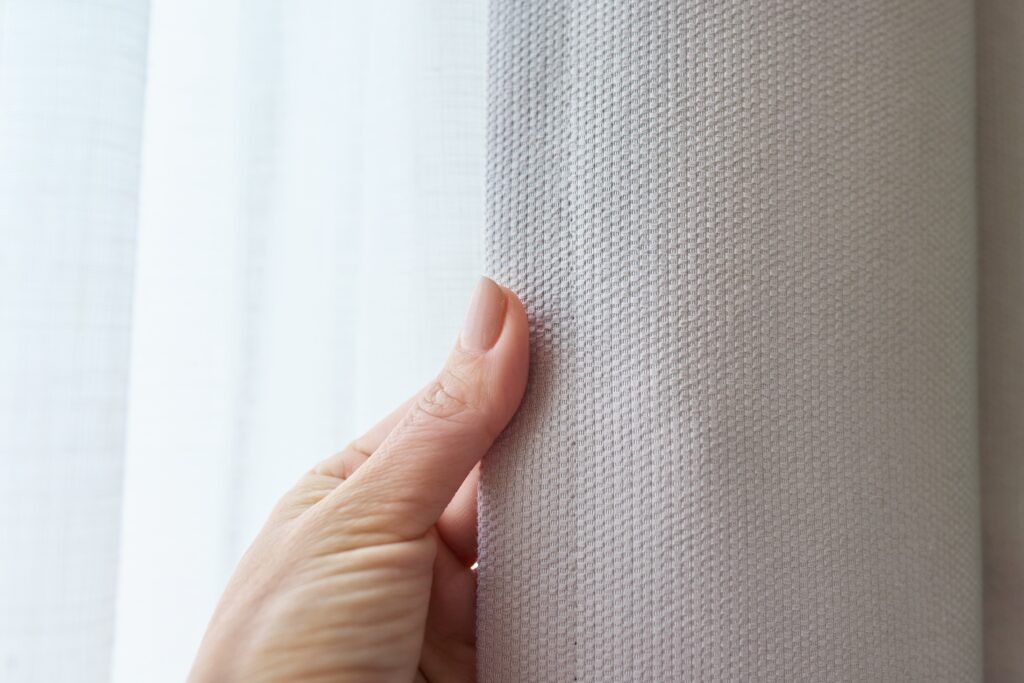
In luxury residential projects, small details often yield the biggest performance gains. Custom lined curtains, floor to ceiling curtains, and high-end window treatments play a measurable role in meeting NABERS, NatHERS and Passivhaus targets. In Australian climates, correctly specified window treatments reduce heating and cooling loads, improve occupant comfort and contribute to certification scores across Australia-wide projects.
Why Curtains Matter for Certification Targets
Windows are the weakest link thermally in most façades. Passivhaus and NatHERS assess glazing heat loss and solar gains; NABERS evaluates operational energy. High-quality window treatments change the thermal behaviour at the window edge. Research from the Energy Saving Trust suggests heavy, lined curtains can reduce heat loss through windows by up to 33% in cold conditions. Australian guidance from YourHome (Department of Industry, Science and Resources) endorses internal shading and insulated curtains as practical measures to lower energy use.
Design Principles for Luxury New Builds
Positioning and integration matter. Floor to ceiling curtains that run continuously to the ceiling and overlap at the sides minimise convective drafts at the window perimeter. Custom lined curtains tailored to reveal depth and sill details close gaps that otherwise bypass the insulation layer. Use a pelmet or deep header and ensure a 150–200 mm overlap to create an effective thermal barrier. For sliding doors and larger glazing, consider bi-parting panels with interlocking returns or secondary glazing solutions combined with lined drapes.
Material Selection and Lining Types
Lining choice affects both R-value and acoustic comfort. A dense interlining with low thermal conductivity improves insulation without bulk. Triple-weave fabrics and thermal interlinings yield measurable U-value reductions, and studies in temperate zones show added linings reduce peak heat transfer in both directions.
Select linings with durable fire ratings and suitable solar reflectance for summer performance. Fabrics with a low emissivity backing perform well in winter by reflecting interior radiant heat back into the room.
Performance Verification and Modelling
Model curtains in thermal simulations for NatHERS and Passive House planning. Input realistic U-values for glazing with and without window treatments and model operable shading schedules reflecting occupant behaviour.
For NABERS, include expected operational reductions from improved control of heating and cooling setpoints through better thermal comfort. Commission testing where possible: infrared thermography during winter evenings identifies cold bridges around frames; air leakage tests reveal gaps that curtains alone cannot remedy.
Installation Best Practices
Precise installation ensures expected performance and supports energy efficiency.
Fit curtain tracks close to the ceiling to reduce exposed glass above the curtain. Ensure curtains clear floor coverings and can be closed fully without tension. Use side returns or magnetic seals where practical to limit convective leakage at the jamb. Train contractors and interior fit-out teams on the role of floor to ceiling curtains in the building’s thermal strategy so they do not compromise pelmet seals or tracks during finishing.
Operational Guidance for Residents
Provide concise occupant guidance documenting when to use high-end window treatments. In winter, close curtains at dusk and open during sunny winter days. In summer, close during hot afternoons and use cross-ventilation when safe. This behavioural component supports ongoing NABERS performance and occupant comfort. It can be further supported by automating curtains, so residents can apply set schedules conveniently using smart home automation.
Case Study Highlights and Evidence
In Australian temperate homes, combining high-performance glazing with lined drapes reduced heating energy by meaningful percentages compared with glazing-only solutions, according to aggregated case studies used in industry modelling. Passivhaus projects in similar climates confirm secondary internal treatments significantly reduce transient thermal discomfort near glazing. These results scale well to luxury dwellings where full-height glazing is common and high-end window treatments are best suited.
Thermal Benefits of Custom Lined Curtains for Certification and Comfort
For luxury projects pursuing NABERS, NatHERS or Passivhaus aims, custom lined curtains, floor to ceiling curtains and high-end window treatments deliver tangible thermal and comfort benefits. They complement high-performance glazing, reduce heating and cooling loads and support certification modelling and real-world operation across Australia-wide developments. Specify appropriate linings, integrate installation details early, consider smart home automation, and include occupant guidance to secure the performance gains these window treatments promise.