
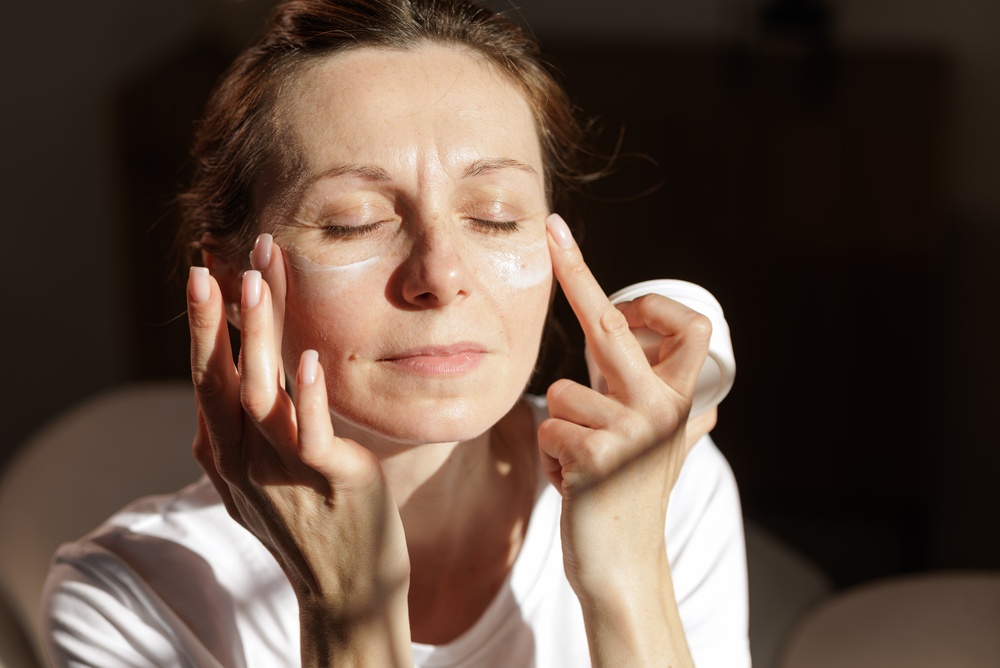
Your skin is constantly working behind the scenes to keep itself healthy, smooth and protected. Every day, old skin cells make way for newer ones, helping maintain your complexion and its natural protective barrier. This process, known as skin cell turnover, plays a huge role in how your skin looks and feels. Understanding it can help you get more out of active skincare, ingredients like retinal, and the growing range of Australian skincare products designed to support healthier-looking skin. So, what’s actually happening beneath the surface, and can you give your skin a helping hand?
What Exactly Is Skin Cell Turnover?
Think of your skin as a constantly renewing surface. Skin cell turnover describes the natural process of producing new skin cells and shedding older ones.
Most of this activity happens in the epidermis, your skin’s outermost layer. Specialised cells called keratinocytes begin life in the deepest part of the epidermis. As they mature, they gradually move towards the surface, change structure and eventually become part of the protective outer layer. Your skin then sheds these dead cells through a process called desquamation.
And the cycle starts again!
The process takes time, with the often-quoted 28-day renewal cycle serving as a rough guide rather than a universal rule. Age, genetics, skin health and environmental factors can all influence how quickly your skin renews itself.
What Happens When Skin Cell Turnover Slows Down?
As we get older, natural skin renewal tends to slow. This means dead skin cells can linger on the surface for longer, contributing to a dull complexion, rough texture and uneven-looking skin tone.
Other factors can influence the process, too. Excessive sun exposure, smoking, poor sleep and environmental stressors can all affect skin health and its ability to maintain normal renewal.
The result? Your complexion might look a little tired, feel less smooth or develop more noticeable signs of ageing.
This is where active skincare can help. Certain ingredients support exfoliation, encourage healthy epidermal renewal and improve the appearance of uneven texture. However, faster turnover isn’t automatically better. Your skin needs time to renew itself without compromising its protective barrier.
How Do Skincare Ingredients Support Skin Renewal?
Some skincare ingredients have a particularly useful role in supporting the natural renewal process.
Retinal, a vitamin A derivative, is one of the most researched cosmetic ingredients for improving the appearance of ageing skin. It influences how skin cells grow and mature, supporting epidermal renewal while helping improve the appearance of fine lines, uneven texture and pigmentation over time.
Alpha hydroxy acids (AHAs), such as glycolic and lactic acid, work differently. They help loosen the bonds between dead surface cells, making it easier for your skin to shed them. This can leave your complexion looking smoother and brighter.
These ingredients demonstrate why active skincare can be more useful than simply piling on products with impressive-sounding labels.
However, don’t go overboard. Combining too many exfoliating ingredients or introducing strong actives too quickly can irritate your skin and disrupt its barrier. Consistency and sensible formulation matter far more than aggressive exfoliation.
Building a Simple Routine Around Skin Renewal
You don’t need an elaborate 10-step routine to support healthy skin. A few well-chosen Australian skincare products can cover the essentials.
Consider building your routine around three key steps:
- Cleanse: In the morning, use a gentle cleanser to remove dirt, oil and accumulated dead skin cells. A cleanser containing glycolic or lactic acid can provide additional exfoliation.
- Protect: Apply an antioxidant serum in the morning. Ingredients such as vitamin C and vitamin E help protect against oxidative stress. Finish with broad-spectrum SPF 50+ sunscreen to protect against UV damage.
- Renew: At night, cleanse again and then use a suitable night cream containing retinal or retinol to support healthy skin renewal and improve the appearance of fine lines and uneven texture. Start gradually, particularly if you’re new to vitamin A.
Choosing effective Australian skincare products with complementary ingredients can make your routine easier to maintain. Remember, the aim isn’t to force your skin into overdrive. It’s to give it the simple support it needs to do its job properly.
Let Your Skin Do Its Thing
Skin cell turnover is a natural process that keeps your complexion fresh, healthy and functioning as it should. While you can’t stop the clock, you can support your skin with consistent habits, sun protection and carefully selected active skincare. Whether you’re exploring retinal, researching Australian skincare products or simply trying to improve your everyday routine, remember that healthy skin takes time. Don’t chase overnight transformations or mistake irritation for progress. Keep things simple, choose ingredients with a solid scientific foundation and give your skin the chance to renew itself.